Summer Things to Do in Philadelphia You Shouldn't Miss
A practical, opinionated guide to the parks, rivers, markets, museums and ballgames that make a Philadelphia summer worth staying in town for.
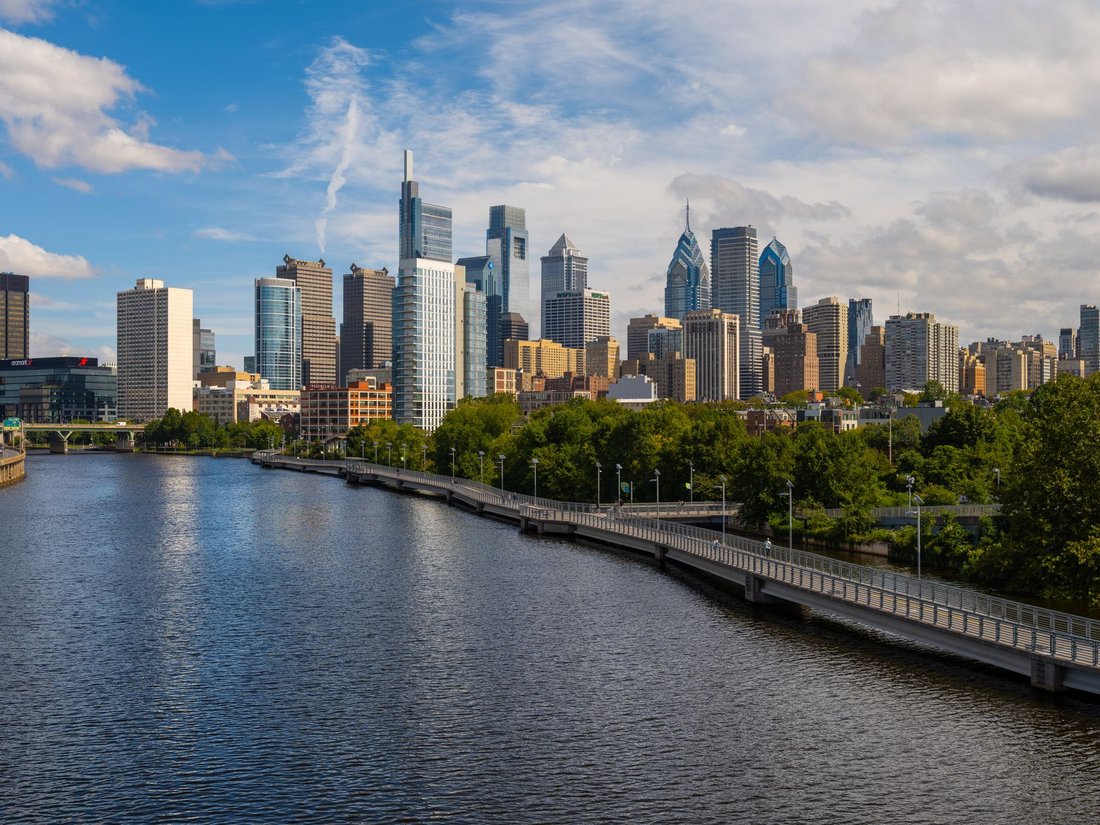
By four in the afternoon on a July weekday, the shade under the sycamores along the Schuylkill has been spoken for, the water ice stands have lines, and someone on a stoop in South Philly has already dragged a fan to the open window and given up on the idea of cooling off indoors. That hour is when the city is at its best. Philadelphia in summer runs on porches, parks, rivers and the stubborn belief that a hot night is for being outside. The list of summer things to do in Philadelphia is long enough that locals argue about it all season, so this guide picks the places that earn the argument and says what to do once you get there.
A note on method. Everything below is a real, standing Philadelphia place, and the advice is meant to hold year after year. Seasonal installations, concerts and festivals change their schedules constantly, so check each place's own website before you go. What follows is the lay of the land and the habits that make a visit work.
Summer Things to Do in Philadelphia, Starting on the Delaware Waterfront
Spruce Street Harbor Park
Spruce Street Harbor Park is the city's summer waterfront living room. It is a seasonal installation on the Delaware at Penn's Landing, which means it arrives with the warm weather and leaves when the weather turns, and its look has been consistent for years: hammocks strung out over the pier, strings of lights and floating gardens, plus a row of food and drink stands that keep the whole thing feeling like a block party with a river view. Treat it as an early-evening destination. Show up before dinner, claim a hammock if one is free, and stay until the lights come on and the water goes dark.
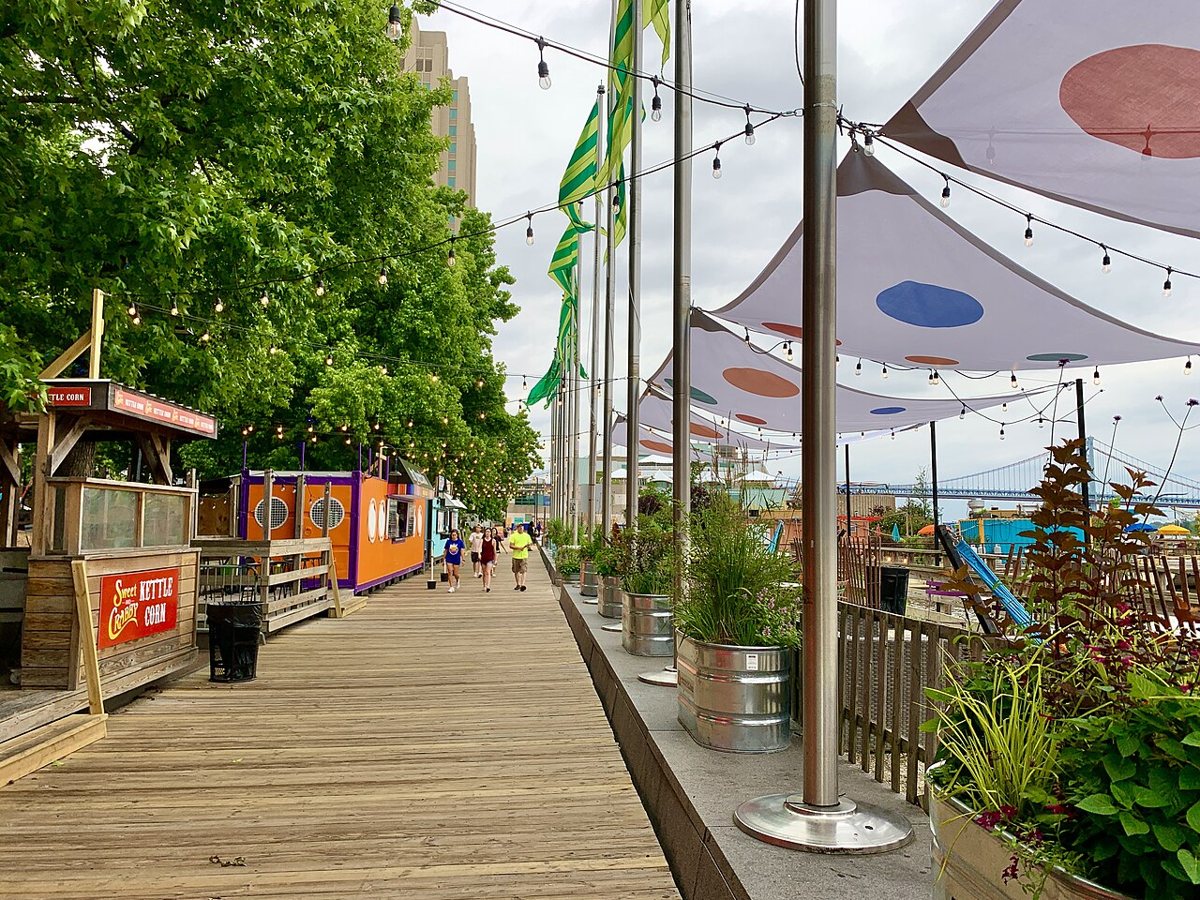

The insider move is to come on a weeknight. Weekend evenings draw the crowds, and hammocks go fast. A Tuesday or Wednesday gives you room to stretch out, and the view of the Benjamin Franklin Bridge at dusk is the same either way. Because the park is a summer feature and its programming shifts year to year, confirm that it is open before you build a plan around it. The park sits at Penn's Landing, in Old City's backyard, within walking distance of the Race-Vine stretch and the older streets above it.
Penn's Landing and the Delaware Waterfront
Spruce Street Harbor Park is the headline, but the Delaware waterfront around it rewards a slower walk. Penn's Landing has spent years being rebuilt and reimagined, and the river trail running along the water gives you flat, easy walking with the bridge overhead and Camden's skyline across the way. A hat helps, because shade is thin here; plan the walk for the golden hour when the light turns the river copper and the heat lets up.
Locals use this stretch for after-work strolls, dog walks and the kind of slow people-watching that only works on a warm night. If you are visiting from out of town, pair it with a wander through Old City afterward, where the cobblestone streets and the neighborhood's restaurants make a natural next stop. Here is the stretch of town where the tourist version and the local version of Philadelphia overlap most comfortably.
The Schuylkill and Fairmount Park: Where Philly Goes to Move
Boathouse Row and the Schuylkill River Trail
Boathouse Row is a line of Victorian-era boathouses on the east bank of the Schuylkill, home to the city's rowing clubs, and a famously photographed view. In summer the river is full of sculls at dawn and dusk, and the trail that runs past the boathouses carries runners, cyclists and families all day. The Schuylkill River Trail is the spine of the whole experience, and it stretches well beyond the boathouses in both directions, so you can make this a ten-minute walk or a half-day ride.
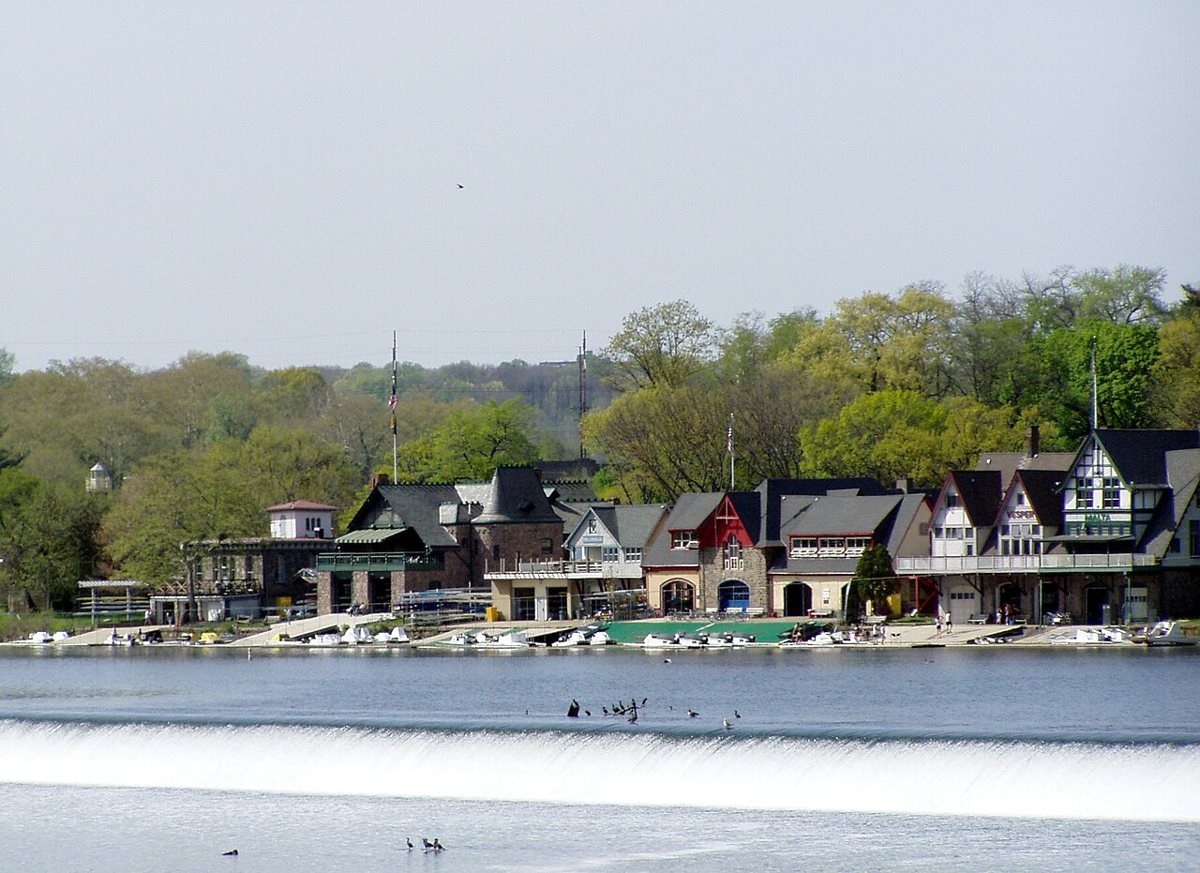

The best time to see the row is the hour before sunset, when the light hits the water and the rowers are still out. After dark, the boathouses are outlined in lights, a Philadelphia tradition that makes the view worth a second visit. Walk or bike up from the Art Museum side, pick a bench, and watch the river do its thing. Water matters. The trail has long open stretches and not many places to buy any.
Fairmount Park
Fairmount Park is among the largest urban park systems in the country, and the name covers a lot of ground on both sides of the Schuylkill. Summer is when its scale makes sense. The park holds shaded lawns, old stone mansions, a Japanese house and garden known as Shofuso in West Fairmount Park, and open fields where entire families set up picnics that look like they were planned by committee. The Mann Center, an outdoor concert venue inside the park, draws crowds on warm evenings for shows under the sky.
The practical approach is to pick one corner and stay there. Trying to cover the whole park in a day is how you end up hot, cranky and parked in the wrong lot. Choose a destination, such as a garden, a lawn or a concert, and let the rest of the park be the scenery on the way. Pack a blanket, bring more water than seems necessary, and give yourself time to do nothing in particular, which is the entire point of a Philadelphia summer afternoon.
The Wissahickon
The Wissahickon is the answer to the question of how a major American city ended up with a real forest inside its limits. The Wissahickon Valley, part of the wider Fairmount Park system, cuts through the northwest of the city with creek-side trails and tall trees that keep the temperature noticeably lower than the streets above. Forbidden Drive, the wide gravel path along the creek, is the easy entry point, flat enough for strollers and a family walk. The Valley Green Inn, an old roadhouse along the path, has been a stopping point for generations of walkers.
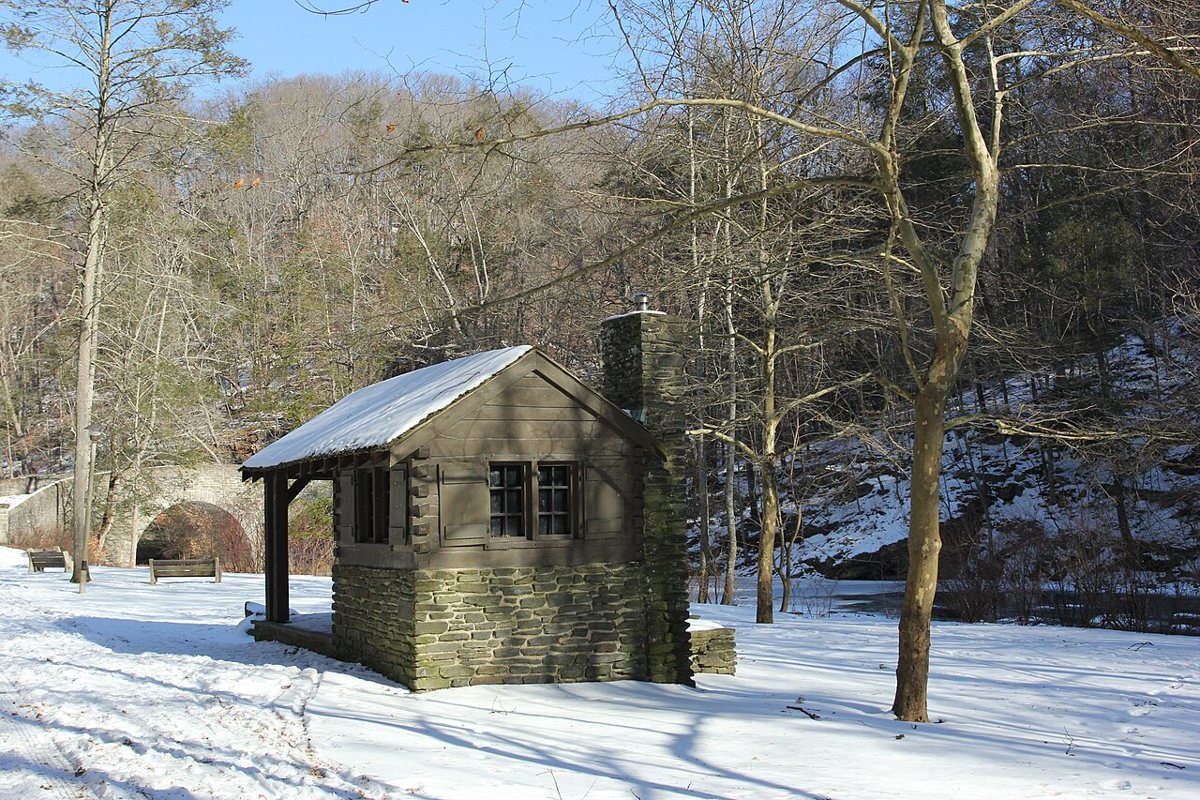

On a heat-wave day, the Wissahickon is the best free air conditioning in Philadelphia. The trees close over the trail, the creek keeps things cool, and you can walk for an hour without seeing a car. The more rugged side trails reward good shoes and a sense of direction, so grab a trail map before you head up the hillsides. Weekend parking areas fill up, so arrive early and expect to share the path with mountain bikers and dogs.
Museums and Culture: Where to Go When the Heat Wins
The Philadelphia Museum of Art and the Rocky Steps
The Philadelphia Museum of Art sits at the top of the Benjamin Franklin Parkway like a Greek temple that took a wrong turn and decided to stay. The collection is serious, and the building makes a fine escape from a brutal afternoon. The steps out front have their own pop-culture fame thanks to a certain movie boxer, and nearly every visitor runs them at least once. Run them; nobody minds. Locals tolerate it with good humor, and the view from the top is worth the climb, with the Parkway running straight back toward City Hall.
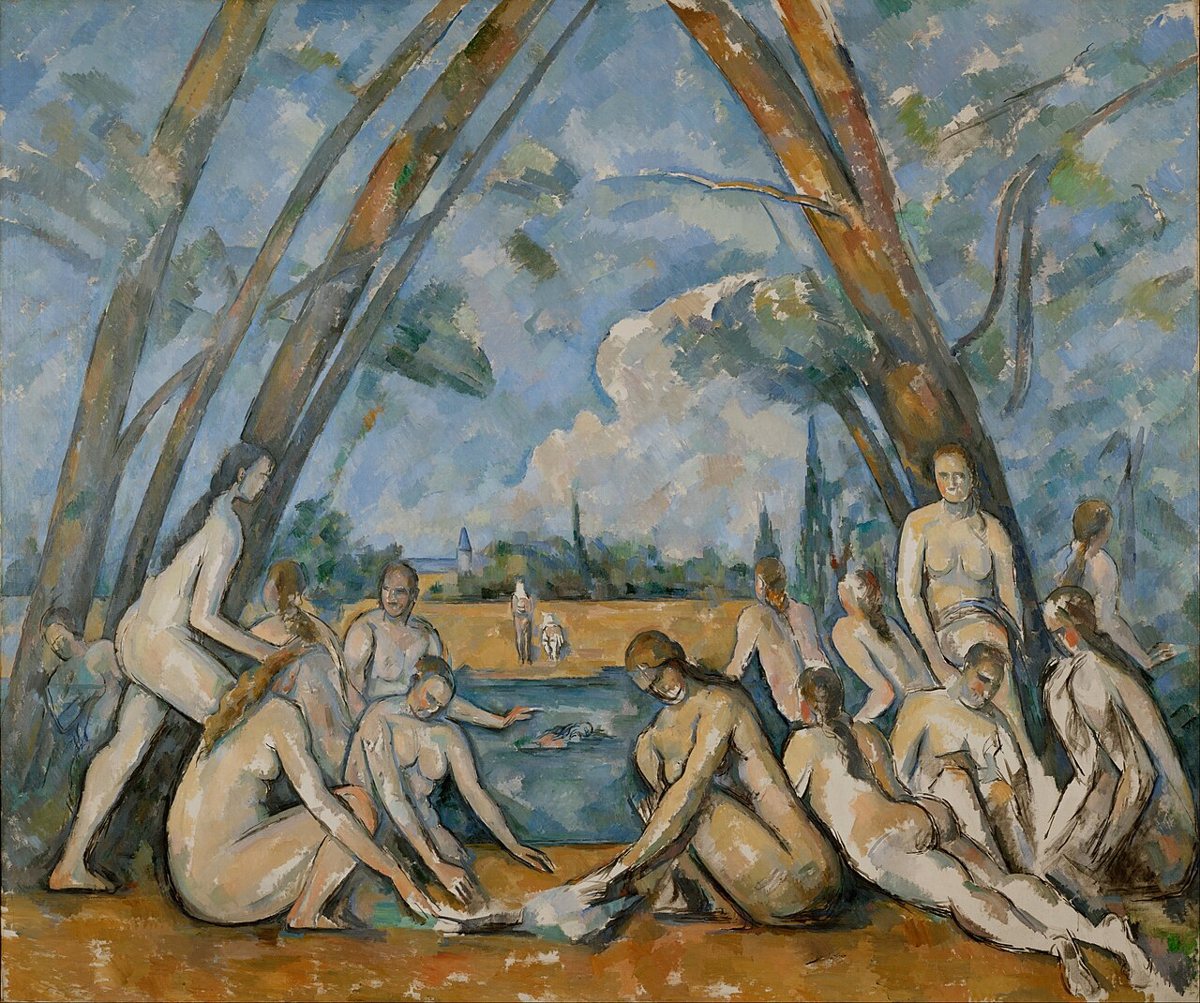

The sensible plan for a hot day is to take the museum in the afternoon, when the galleries are cool, and save the steps for the end of the visit, when the sun is lower. The museum sits at the edge of Fairmount Park and next to the river trail, so it pairs naturally with a walk to Boathouse Row afterward. The museum's website lists current programming, since special exhibitions and evening events change from season to season.
The Barnes Foundation
The Barnes Foundation holds one of the world's great collections of Impressionist and early modern paintings, arranged the way its founder insisted, in dense wall groupings of art, metalwork and furniture that make no concession to conventional museum logic. It is on the Parkway, close enough to the Art Museum to make a day of it. The air conditioning and the quiet make it one of the best rainy-day or heat-day choices in the city, and the arrangement of the rooms gives you plenty to look at in an hour or in three.
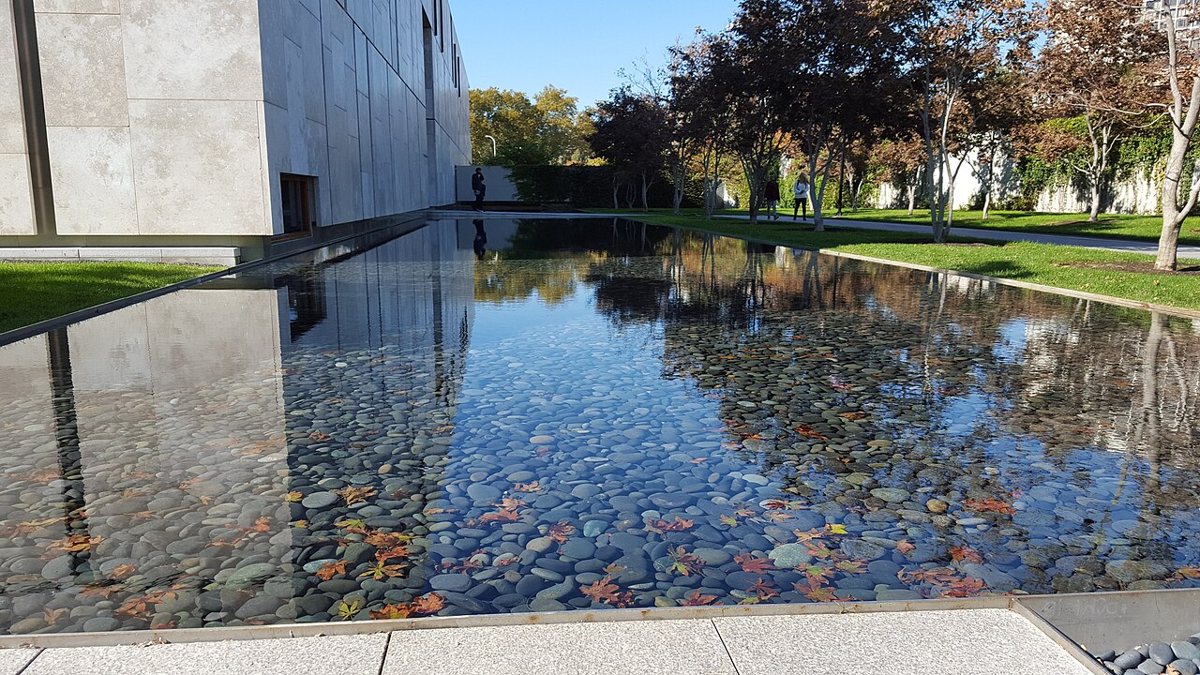

The Barnes is a place where going slowly pays off. Choose a few rooms and look closely rather than covering everything. Ticketing follows the museum's own visitor policies, so confirm ahead. The outdoor spaces around the building offer a calm spot to sit before heading back out into the weather.
The Mural Arts Walls
Philadelphia has more public murals than any other American city, and the Mural Arts Program is the reason. The program has covered the sides of buildings across the city for decades, turning neighborhoods into outdoor galleries. A summer walk through Center City, South Philly or West Philly reveals murals on nearly every few blocks, some enormous, some tucked into side streets. Mural Arts also offers organized tours, including walking and trolley options, that put the work in context and tell you who painted what and why.
On a hot day when you want to be outside without exerting yourself, this fits well. Book a tour or build your own route in comfortable shoes, and watch the walls of buildings you would otherwise pass without looking. The best murals often show up where you least expect them, on a corner you have walked a hundred times.
Eat Your Way Through: Markets and Food Neighborhoods
Reading Terminal Market
Reading Terminal Market is the city's great indoor market, a historic space near Center City's convention district where Pennsylvania Dutch merchants, sandwich counters, bakeries, produce stands and ice cream vendors share one roof. In summer it works as a cool refuge and a lunch destination at once. Order a roast pork Italian, which Philadelphians will tell you with a straight face is better than the cheesesteak, then finish with a soft pretzel or something sweet from a dessert counter.
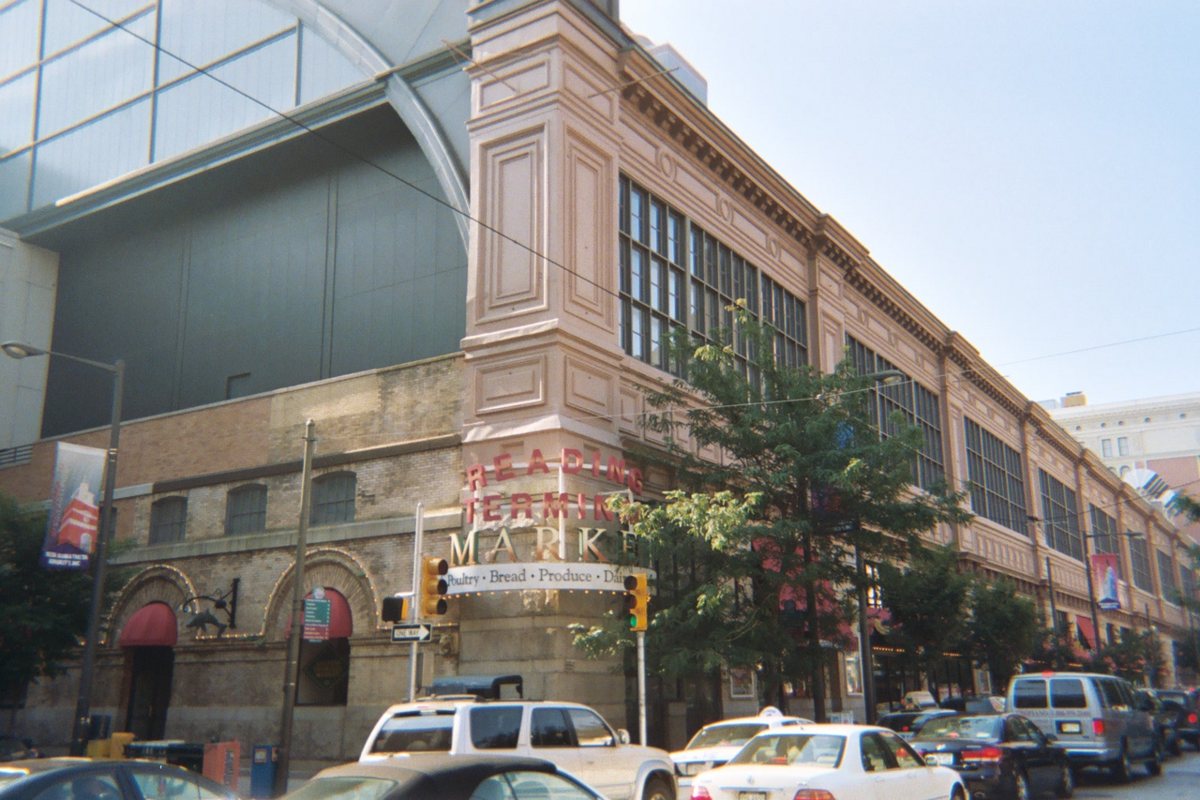

The trick is timing. Midday on a weekend is chaos, and the seating fills up fast. A weekday visit just before the lunch rush works best, and a full lap before you commit pays off, since the best strategy is to eat in installments. Arrive hungry and carry cash or cards for the smaller stands. Some of the Pennsylvania Dutch vendors keep their own schedules, so check ahead if a particular stand is your priority.
The Italian Market
The Italian Market, on South 9th Street in South Philly, is one of the oldest continuously operating open-air markets in the country, and it is still a working place. Butchers and cheese shops line the street alongside produce stands, bakeries and seafood counters, and the neighborhood has taken on Mexican and other immigrant influences that make the food even better. In summer, the street feels alive in a way that is hard to fake. Locals shop here for dinner. Visitors shop here for the experience.
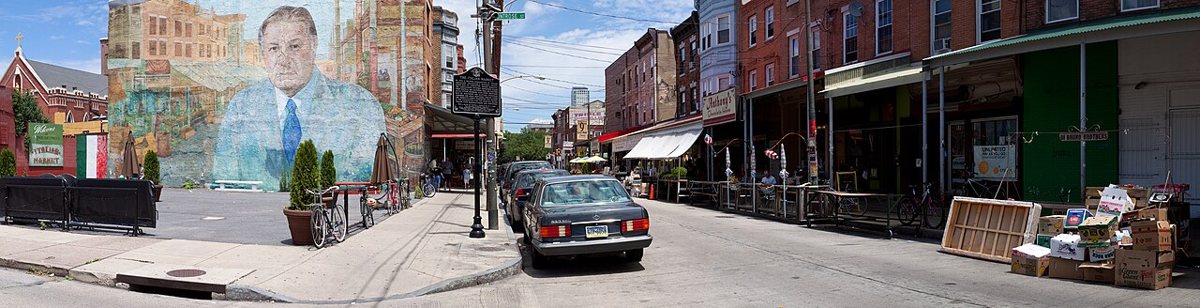

A tote bag and an appetite are the right gear; walk the whole length of the market before buying anything. Stop for a water ice nearby, because the city's summer is incomplete without one, and call it water ice, never Italian ice. The area also sits near the stretch of South Philly that holds some of the city's best cheesesteak and roast pork arguments, so you can keep eating on the way out. Many shops close earlier in the day and on certain days of the week, so go in the morning or early afternoon and verify specifics with individual vendors.
Squares, Gardens and Green Corners
Rittenhouse Square
Rittenhouse Square is one of the five original squares laid out in William Penn's plan for the city, and it remains the most reliable place in Center City to sit down and watch people. On a summer day the lawns fill with readers and office workers on lunch, plus dog walkers and friends with takeout. A farmers market sets up at the square on a regular basis during the warm months, and the surrounding blocks hold plenty of places for a coffee or a drink afterward.
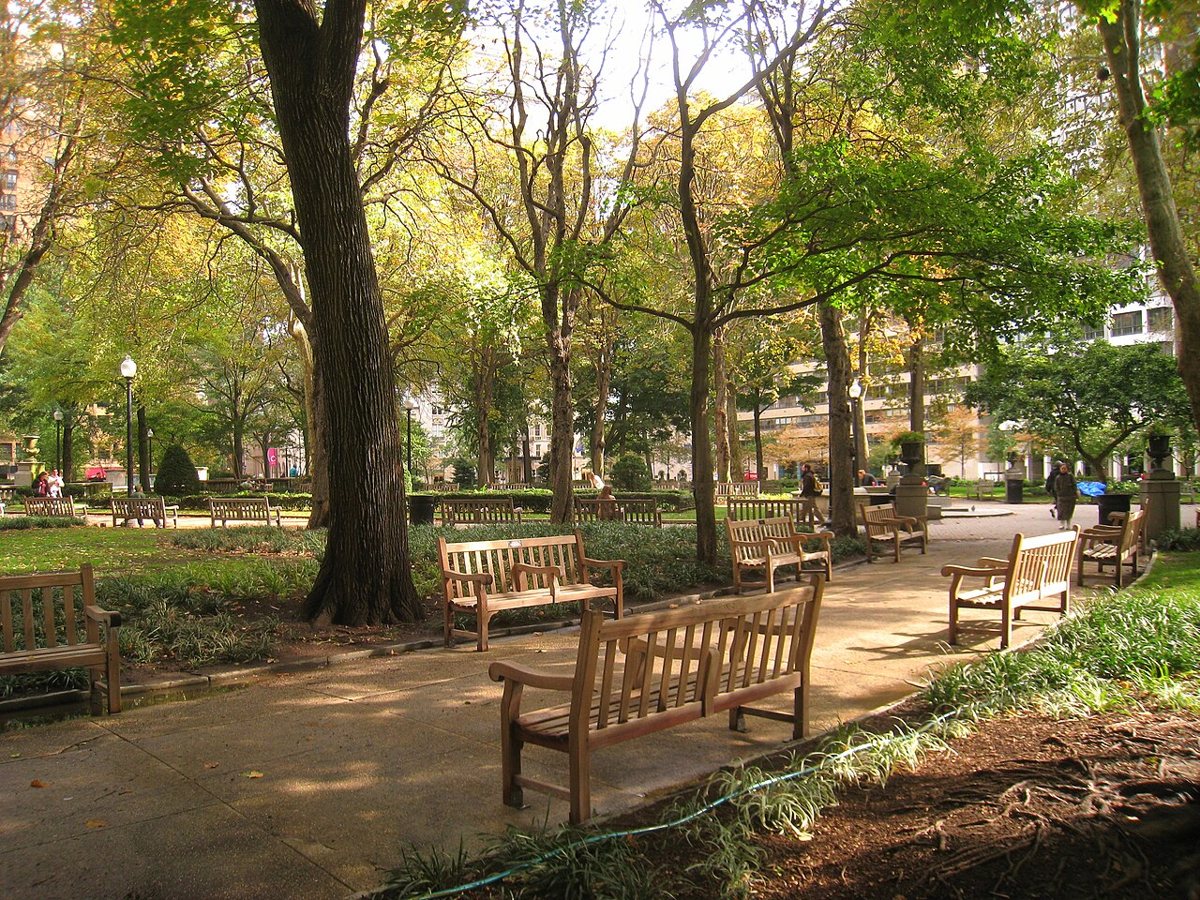

The square is best at the margins of the day. Early morning has the dog crowd and quiet light through the trees. Late afternoon has the after-work crowd and the long shadows. If you are looking for a single place that shows what Center City is like when it is relaxed, this is the one. Grab something from a nearby shop, find a bench, and stay put for an hour.
Franklin Square
Franklin Square is another of Penn's original squares, and it has become the city's go-to spot for families. The square has a carousel and a miniature golf course themed around Philadelphia landmarks, with a playground and a fountain nearby, which makes it a dependable half-day for anyone traveling with kids. It is a short walk from Old City, so it fits easily into a sightseeing day, and the shaded benches offer a break from the sun.
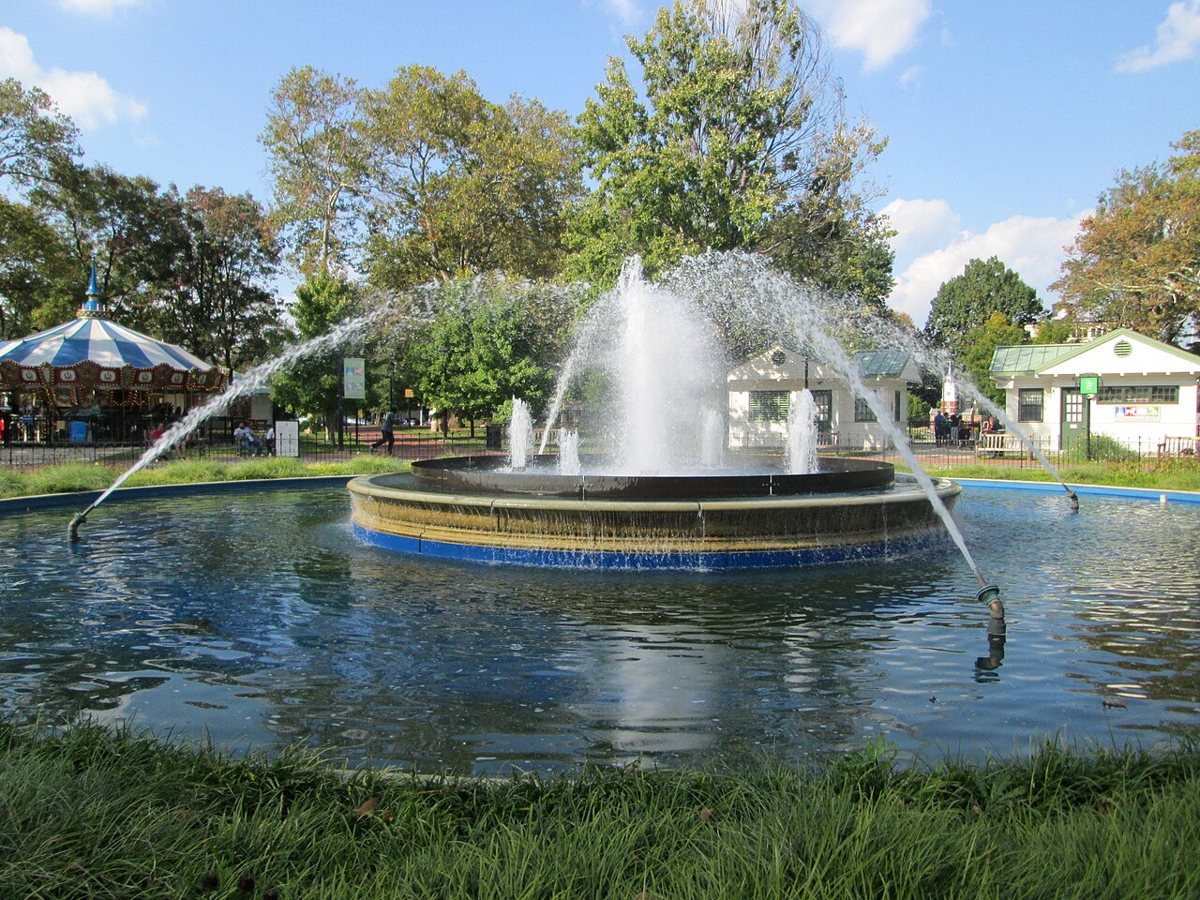

The practical tip is to treat Franklin Square as a reset stop. Walk the historic streets in the morning, let the kids burn off energy here in the afternoon, and head to dinner from there. Attractions inside the square operate on their own seasonal schedules, so check what is running before you plan around any of them.
Bartram's Garden
Bartram's Garden, on the Schuylkill in Southwest Philadelphia, is the oldest surviving botanic garden in North America, and it is a far more relaxed place than the name suggests. The grounds include meadows, gardens, the historic Bartram house and a stretch of riverfront with a boat launch and a dock. The garden has long made a point of being a neighborhood space, with community programs, a working farm and free access to the grounds, and in summer it becomes a place where you can wander, sit by the water and look back at the skyline from an unexpected angle.
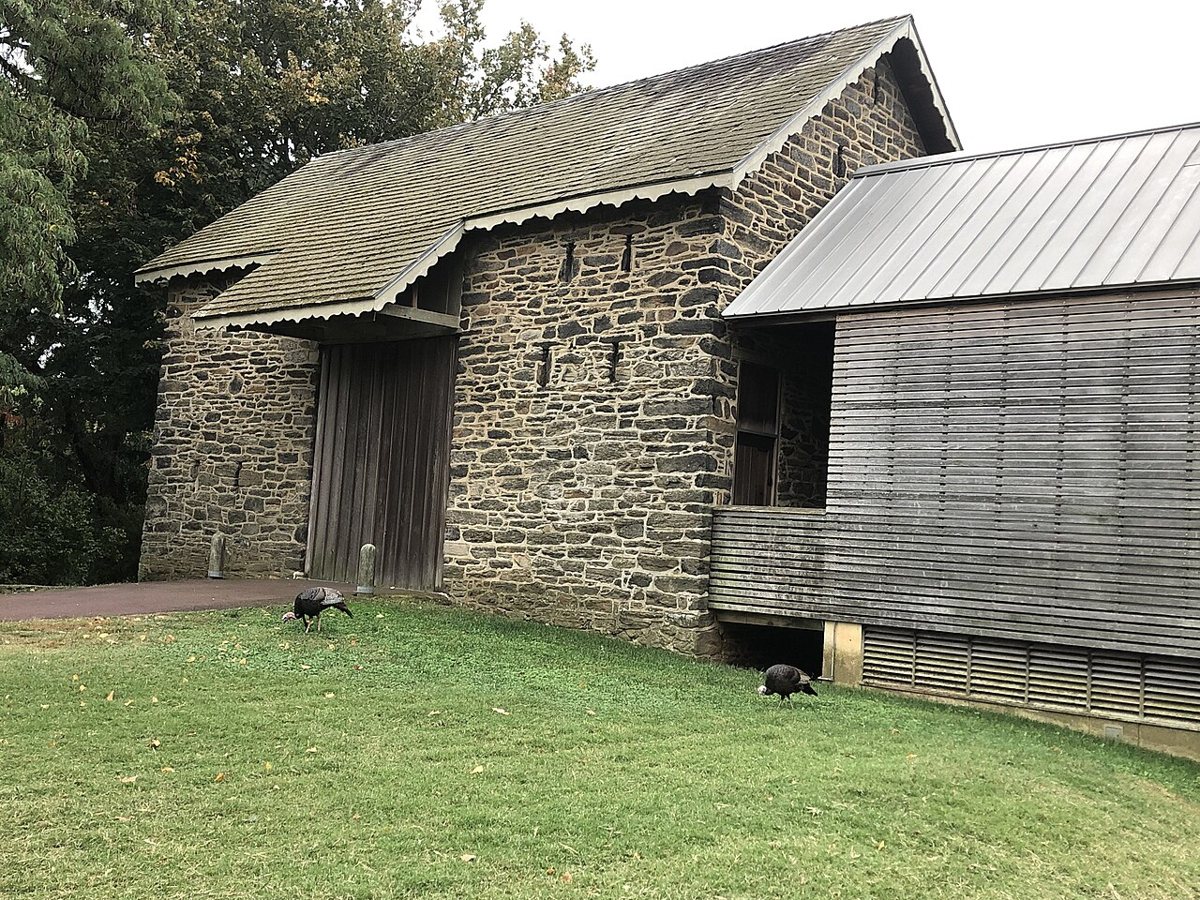

Bartram's suits anyone who wants a summer afternoon without the crowds of the more famous spots. Pack a picnic, loop slowly through the gardens, and linger at the river. Programming at the garden changes by season, so look at the calendar before you go, and plan the trip with a ride or a drive, since Southwest Philly is a little off the standard tourist map.
For Families and Sports Fans
The Philadelphia Zoo
The Philadelphia Zoo is widely recognized as the first zoo in the United States, and it sits on the west side of the Schuylkill in a leafy corner of the city. The grounds are old and shady, which helps on a hot day, and the layout lets you move at a pace that suits small children. Summer is the busiest season, so the best strategy is to arrive early, see the big animals while they are still active, and plan breaks for shade and snacks.
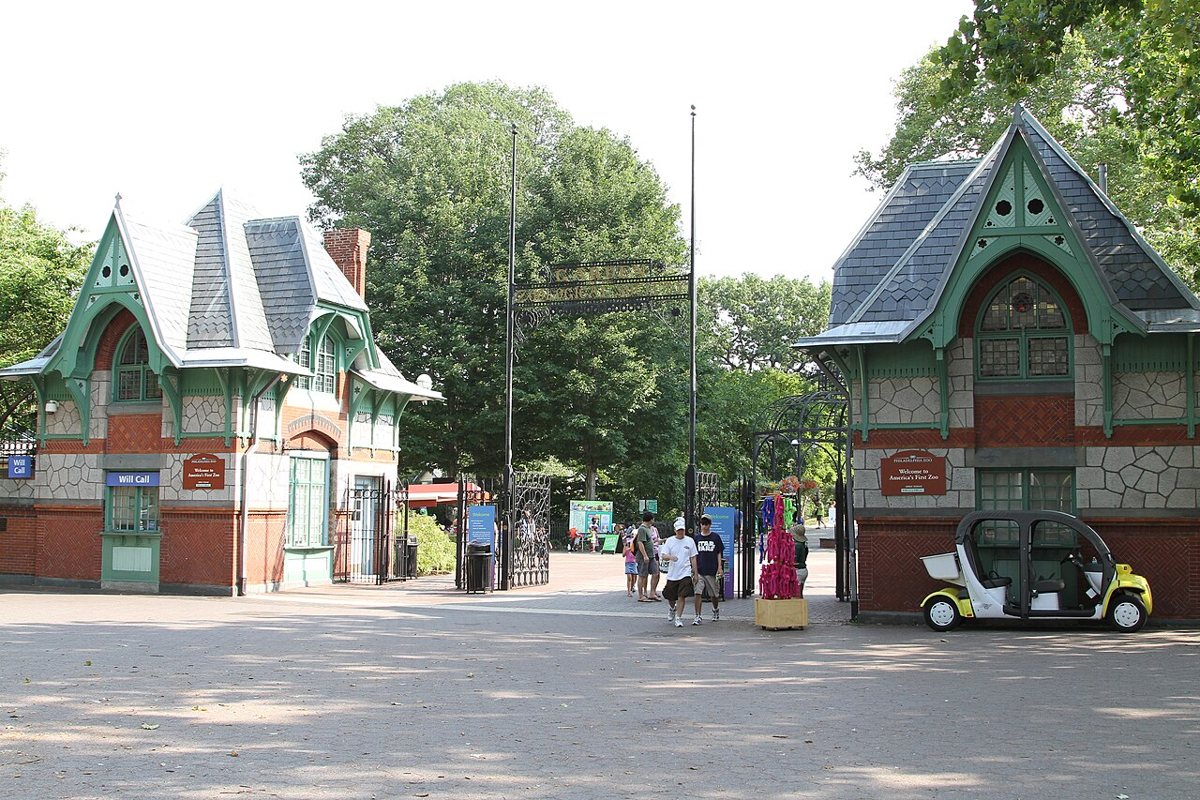

The zoo is a full day for most families, and the key is not to rush. Look at the map before you go, decide which exhibits you most want to see, and treat the rest as a bonus. Sunscreen and refillable water bottles are essential, and a stroller helps if the kids are small. The zoo's website has current ticketing and any timed-entry requirements, since policies change.
A Phillies Game at Citizens Bank Park
A summer night at Citizens Bank Park is its own kind of Philadelphia experience. The ballpark sits in the South Philly sports complex alongside Lincoln Financial Field, and a Phillies game there is loud, opinionated and communal. The fans know the game and are not shy about their views, and the Phillie Phanatic, the team's green mascot, has been a local institution for decades. A ballpark cheesesteak or soft pretzel is part of the ritual, and the crowd on a warm night makes the whole thing feel like a neighborhood event.
Take public transit if you can. The Broad Street Line runs to the sports complex, and driving into the lots can be slow after the final out. Dress for the weather, arrive early enough to walk around the concourse, and settle in for the kind of baseball that makes sense in a city that takes it personally. Schedules and ticketing change every season, so check the team's official site before you commit to a date.
Practical Notes for a Philadelphia Summer
- Heat management: Philadelphia summers are humid, and the city can feel hotter than the forecast. Plan outdoor stops for morning or evening and save museums and markets for the afternoon.
- Getting around: Center City is compact and walkable. SEPTA runs the el (the Market-Frankford Line), the Broad Street Line, buses and trolleys, and the transit system covers most of the places on this list.
- Water and shade: Carry water everywhere. Parks and trails have long stretches with few places to buy a bottle.
- Confirm first: Seasonal attractions, concerts, tours and market stands keep their own schedules. Confirm details on each place's official website.
- Neighborhood pairing: Match each outing with a nearby meal or walk so a single trip fills a day. For ideas on where to eat, see where to eat in the city, and for planning your route through town, try exploring one neighborhood at a time.
The Last Word on Summer in Philadelphia
The best summer things to do in Philadelphia are rarely the ones that come with a ticket. They are a hammock over the Delaware on a Wednesday night, or a long walk on Forbidden Drive when the city is baking. A roast pork sandwich eaten standing up counts too, as does a water ice that drips down your wrist before you reach the curb. The big attractions are worth your time, and this guide has named the ones that earn it, but the pattern across all of them is the same: Philadelphia rewards people who slow down.
That is the real point of view here. Philadelphia is a city of neighborhoods, and each one has its own version of summer. Choose a few places from this list, give each an unhurried afternoon, and let the rest of the schedule fall apart. Wander into a side street and sit on a stoop if anyone offers. Argue about the cheesesteak. By the end of the season you will have a list of your own, and it will be better than this one.