Best Parks in Philadelphia You Shouldn't Miss
Skip the postcard clichés: this is where Philadelphians actually go to sit under trees, launch a kayak, or forget they're in a city of 1.5 million people.
Saturday morning in Clark Park, and the whole neighborhood has spilled outside. This is one of the best parks in Philadelphia precisely because nothing about it is staged for a photo. Vendors are setting up folding tables for the farmers market near the Dickens and Little Nell statue, a dog off its leash is losing an argument with a squirrel, and three separate frisbee games are underway on grass that never quite recovers between them. A guy on a bench is arguing with a friend about whether the Eagles' offensive line will hold up this season, because in this city that conversation never really stops. Nobody here is thinking about the Liberty Bell. They're thinking about coffee, and whether the tomato guy brought the good ones this week.
Philadelphia has an unusual amount of green space for an East Coast city this dense, and the reason traces back to William Penn's original plan, which set five public squares into the city grid in the 1680s. Two and a half centuries of expansion added a river valley carved by glacial runoff, a slice of tidal marsh, a chain of piers reclaimed from shipping decline, and a scrappy West Philly commons that somehow became the neighborhood's living room. Some of these parks get crowded with visitors chasing a photo. Others stay almost entirely local, the kind of place you only find out about because a neighbor mentioned it. This guide covers the full range, organized by neighborhood and by what each park is actually for, because a list ranked one through ten would flatten out what makes Philadelphia's park system genuinely interesting: it wasn't built all at once, and it doesn't behave like it was.
What follows draws on every corner of the city, not just the postcard version of it. West Philly and the Northwest get real attention here, not a footnote, because that's where some of the least crowded and most rewarding green space in Philadelphia actually sits.
Best Parks in Philadelphia, Neighborhood by Neighborhood
Trying to rank Philadelphia's parks against each other misses the point. A runner in the Wissahickon wants something completely different from someone looking for a bench and a sandwich in Rittenhouse, and a family chasing a splash fountain on a hot afternoon has different needs than a birdwatcher hoping for a quiet trail in Cobbs Creek. So instead of a top ten, here's the city broken down by neighborhood and by what each park is actually for, who tends to show up, and why it earns a spot on this list at all.
Center City's Square Circuit
Four of Penn's five original squares still anchor Center City today, and each one has developed its own personality over three centuries. Southwest Square, Southeast Square, Northeast Square, and Northwest Square were their original bureaucratic names, and it says something about the city that residents renamed them for people and places within a generation and the new names stuck for good. Rittenhouse Square is the one everyone knows, and it earns the reputation: mature plane trees form a near-complete canopy overhead, a rotating cast of dog walkers circles the paths before work, art students sketch along the rim of the central fountain, and there are enough shaded benches that you can usually find one even at lunch rush. Bookstores, cafes, and a couple of the city's better people-watching corners ring the square, and the spring flower market on the square draws crowds that spill onto the surrounding sidewalks. It's small, it's crowded on weekends, and it's still worth the trip.
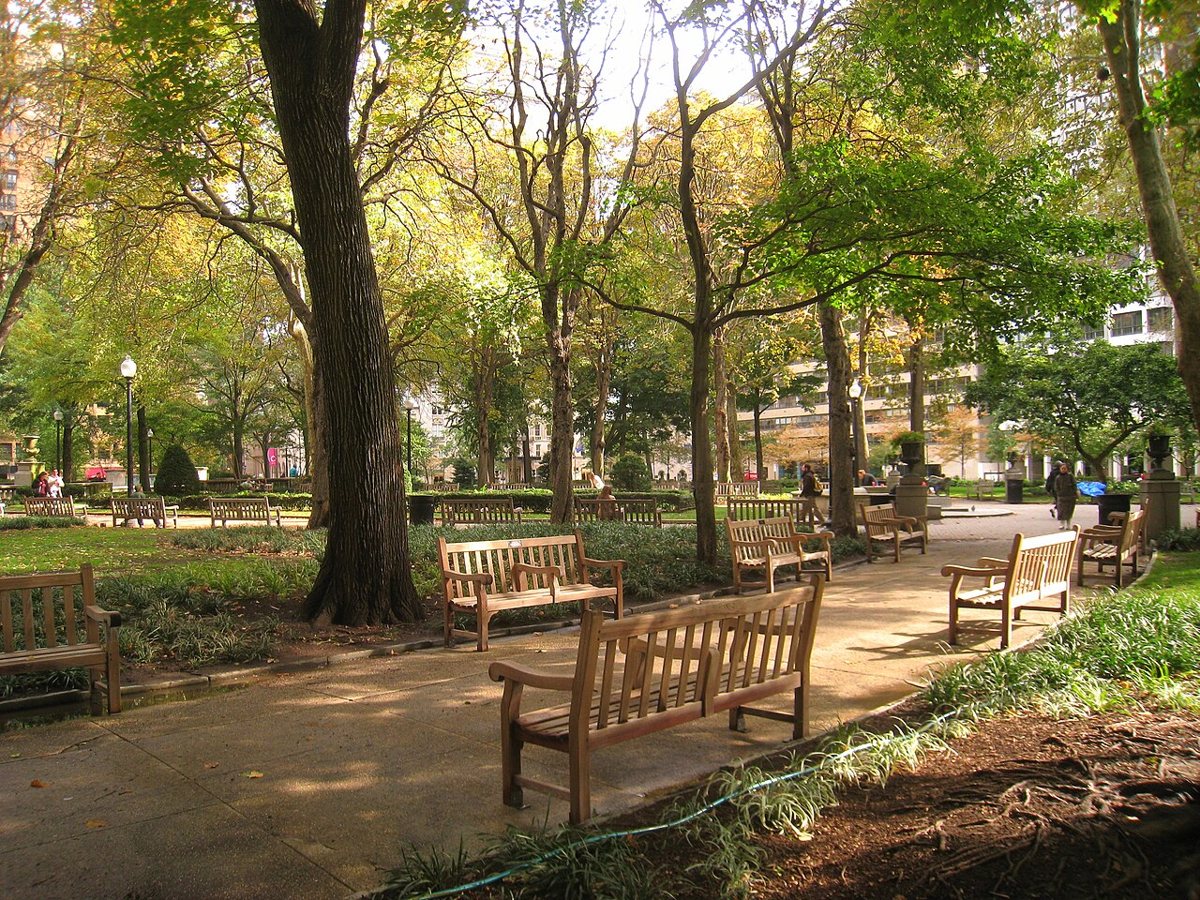

Washington Square, a few blocks east toward Independence Hall, moves at a slower pace. It sits over the Tomb of the Unknown Revolutionary War Soldier, marked by an eternal flame, and functions today as a quiet lunch spot for the office workers and Jefferson hospital staff who fill the surrounding blocks. Old shade trees and formal walking paths give it a more solemn feel than Rittenhouse, and it rewards a slower pace of visit. Franklin Square, up near the Ben Franklin Bridge, took a different path entirely: it's now built around a carousel and a mini-golf course aimed squarely at families, which makes it the rare Center City square where a stroller doesn't feel out of place, and its fountain show draws a steady stream of kids on summer evenings. Logan Square, the fourth of Penn's originals, holds Sister Cities Park at its western edge, a compact plaza with a splash fountain that turns into an unofficial neighborhood pool the second the temperature climbs past 80 and a small pond and cafe that make it an easy stop between the Barnes Foundation and the parkway's other museums. A few blocks south sits Fitler Square, which is not one of Penn's originals but functions like one: smaller and less visited, tucked among rowhouses near the river, with a playground that draws a loyal crowd of Fitler and Rittenhouse families who'd rather not fight the Saturday crowds at the bigger square. It's an easy stop for anyone walking the few blocks between Rittenhouse and the Schuylkill riverfront, and it rarely feels crowded even during peak hours elsewhere in Center City.
The Big One: Fairmount Park and the Wissahickon
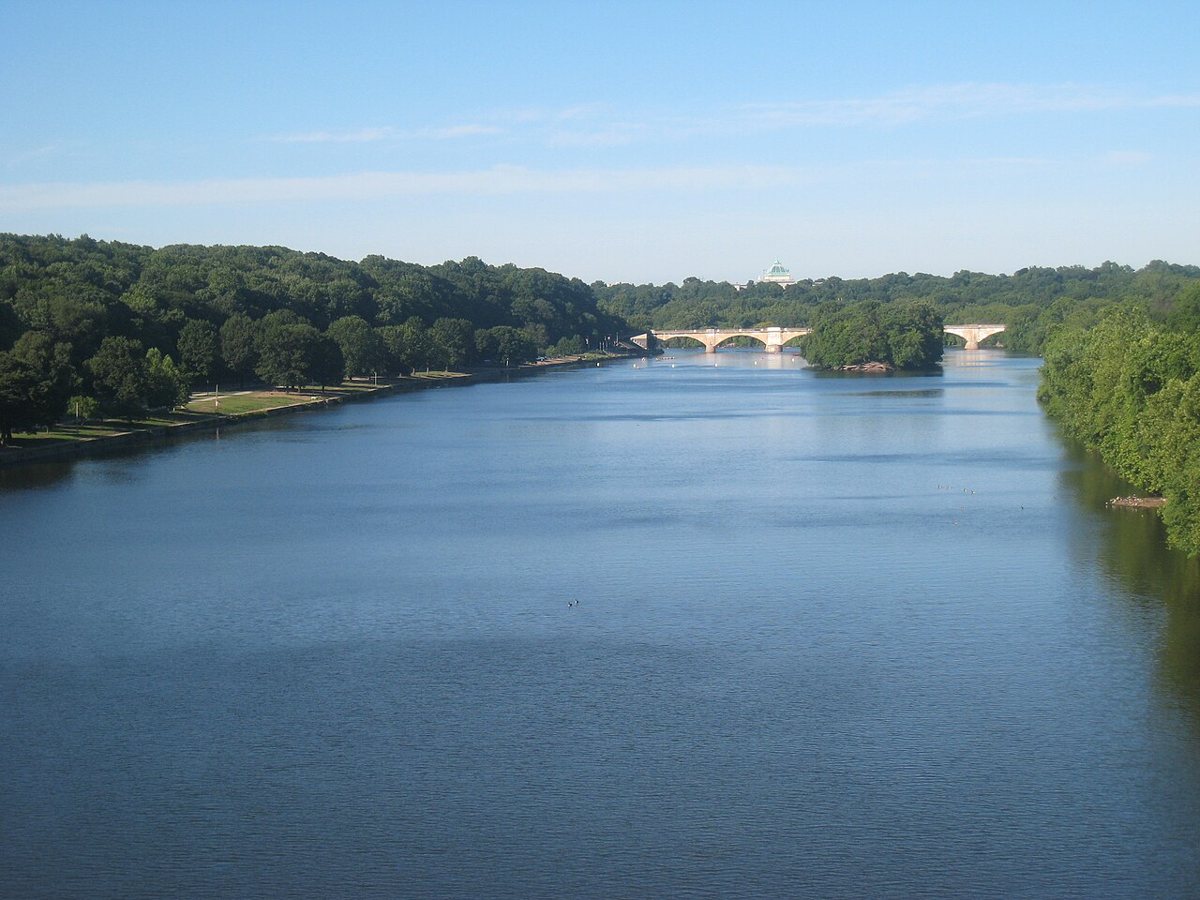
Fairmount Park is less a single park than a system, one of the largest urban park networks in the country, stretching along both banks of the Schuylkill from the Art Museum steps out toward the city line. Inside its boundaries you'll find the Philadelphia Zoo, several historic Colonial-era houses open for tours, boathouses along the river that light up at night in their famous string-light outlines, meadows wide enough for cross country meets, and enough woodland trail to lose an entire afternoon without ever leaving the city. Runners use it for long training loops. Families claim the lawns near the art museum steps, and on any warm weekend the riverside paths fill with cyclists heading out toward Manayunk. It's the park that makes every other park on this list possible, in the sense that it swallows most of them into one connected green corridor.

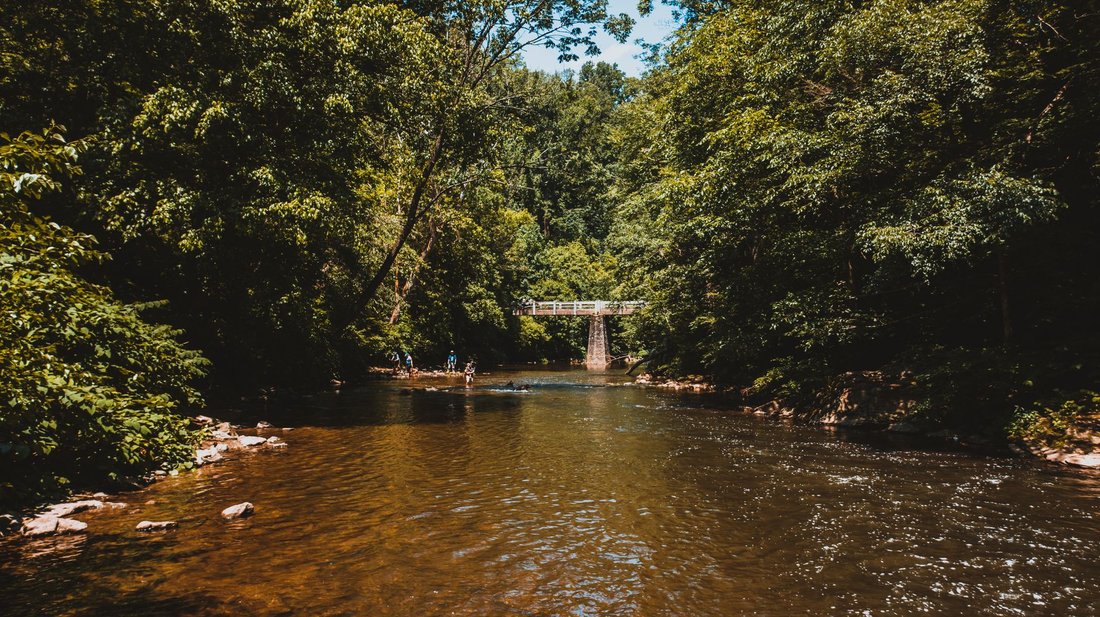
The crown jewel inside that system is Wissahickon Valley Park, a genuine forested gorge that runs for miles through Northwest Philadelphia and somehow still surprises first-time visitors who can't believe it's inside city limits. Forbidden Drive, the car-free gravel road that follows Wissahickon Creek, is where distance runners, mountain bikers, and families with strollers all share space without much friction, threading past old stone bridges and mill ruins left over from the valley's industrial past. Climb up to Devil's Pool on a hot day and you'll find teenagers jumping off the rocks into the creek the way they have for generations, though swimming there is prohibited, the rocks are slick, and the Park Commission has spent years trying to talk people out of it. The Chestnut Hill and Germantown sides of the valley offer quieter entry points than the ones closer to the river, with narrower dirt trails that climb steeply above the creek and thin out the crowds within ten minutes of walking. The insider move is to park near Valley Green Inn and walk north, away from the knots of people at the main entrances. Entering from the Chestnut Hill side near Thomas Mill Covered Bridge, the only covered bridge left inside Philadelphia's city limits, works just as well.
The Northwest Deserves the Trip
Northwest Philadelphia holds more park acreage per resident than almost anywhere else in the city, and it rarely gets credit for it outside the neighborhoods that use it daily. Awbury Arboretum in Germantown spreads across dozens of acres of open meadow and specimen trees behind a cluster of 19th-century stone houses, and it stays remarkably uncrowded even on nice weekends, making it a favorite for people who want space without a hike. In Manayunk, the towpath along the old Manayunk Canal parallels the Schuylkill just below the neighborhood's Main Street strip, a flat, shaded walk that locals use to work off a big lunch before heading back up the hill to browse the shops. It connects directly into the broader Schuylkill River Trail system, so a walk that starts at the canal can extend for miles in either direction without any real planning.
West Philly Takes Its Parks Seriously
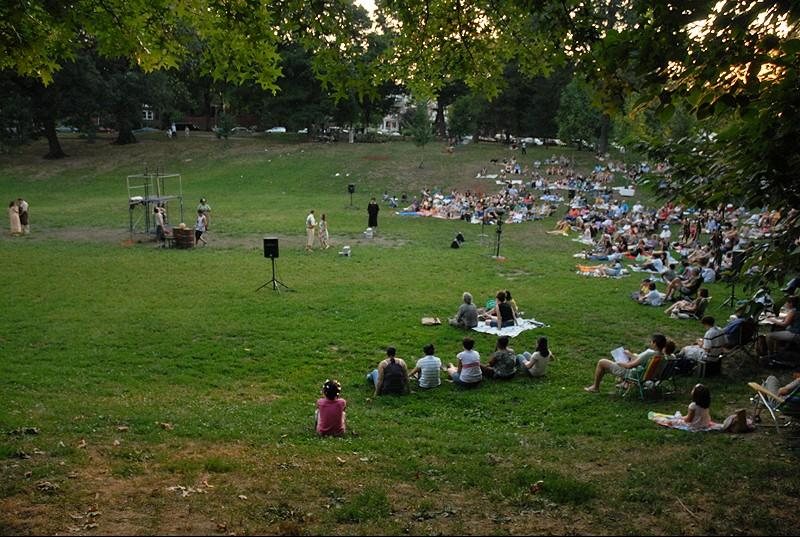
Clark Park, the scene that opened this piece, is the unofficial town square for West Philly and University City, split into two lawns by Baltimore Avenue and ringed by rowhouses and trolley tracks. Beyond the Saturday farmers market, it hosts a free Shakespeare festival performed on the grass each summer and informal soccer most evenings after work. The dog park corner is effectively a second social club for the neighborhood, complete with regulars who know each other's dogs better than they know each other's names. It's proof that a park doesn't need monuments to matter; it just needs people who show up week after week.

A short drive southwest, Bartram's Garden holds something no other park on this list can claim: it's the oldest surviving botanic garden in North America, built around the 18th-century home of botanist John Bartram, and it sits directly on the Schuylkill with its own boathouse offering free community rowing and kayaking, a working community farm, and a wildflower meadow that draws pollinators all summer. Visitors who've spent time on the West Philly side of the river tend to underrate how much land there is here to wander, from the historic orchard down to the tidal marsh boardwalk that gives a rare close look at freshwater wetland habitat inside city limits. Cobbs Creek Park, further west along the city's border with Delaware County, is quieter still: a long, winding stretch of woods and creek trail that locals use for running and birdwatching, running past an old stone golf clubhouse and under leafy overpasses, largely undiscovered by anyone who isn't already from the neighborhood.

South Philly, Fishtown, and the River Parks
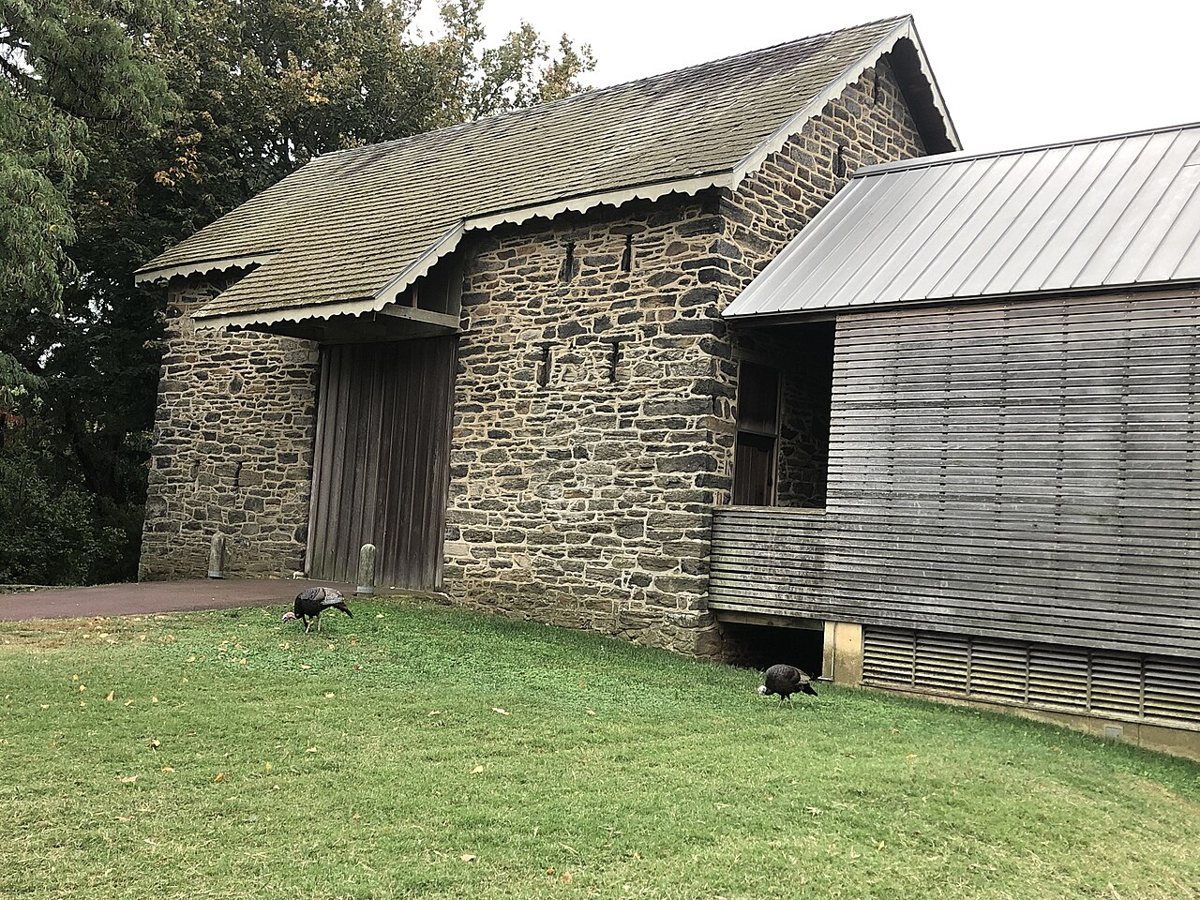
FDR Park, tucked behind the stadium complex in South Philly, is where the sports crowd's energy gets rerouted into something calmer. Lagoons dot the park, built originally in the early 1900s with a design credited to the Olmsted Brothers firm, and today it's a magnet for pickup soccer played by leagues from the neighborhood's Vietnamese and Mexican communities, skateboarders using the park's skate plaza, and families paddling rented boats on the water on weekend afternoons. Golfers still use the public course tucked into one corner, and a boardwalk trail winds through a patch of restored wetland that most visitors walk right past without noticing. It's an easy add-on before or after a game at Citizens Bank Park, and most out-of-towners never realize it's there, which keeps it feeling like South Philly's own backyard even as the stadiums fill up next door.
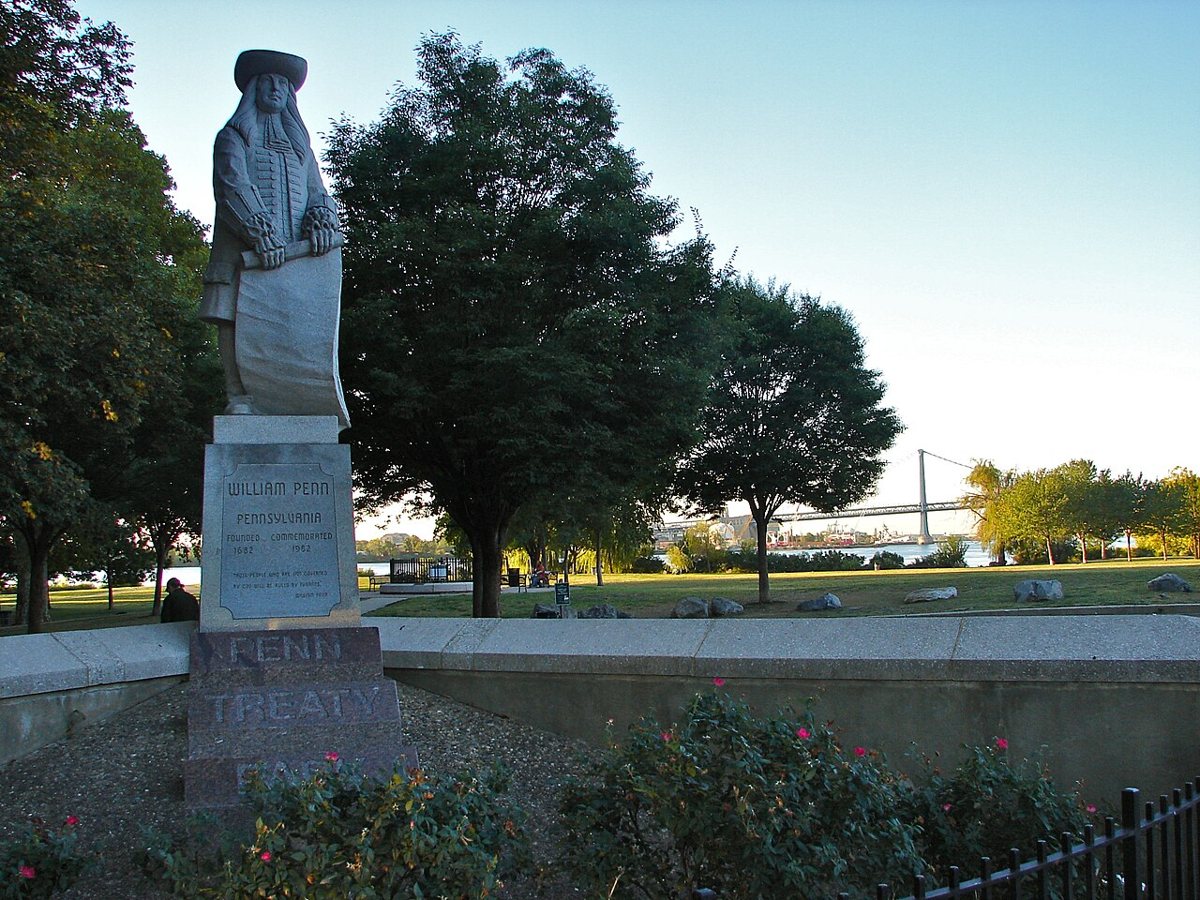
North of Center City in Fishtown, Penn Treaty Park marks the spot where William Penn is said to have signed his treaty with the Lenape under an elm tree, a story commemorated with a small monument near the water. Today it's a narrow riverside stretch with sweeping views across the Delaware toward Camden, popular for sunset picnics, informal cookouts on summer evenings, and the kind of quiet that's increasingly rare this close to the neighborhood's busy Frankford Avenue corridor. Runners and dog walkers use the paved path along the water in the mornings, before the picnic crowd arrives.

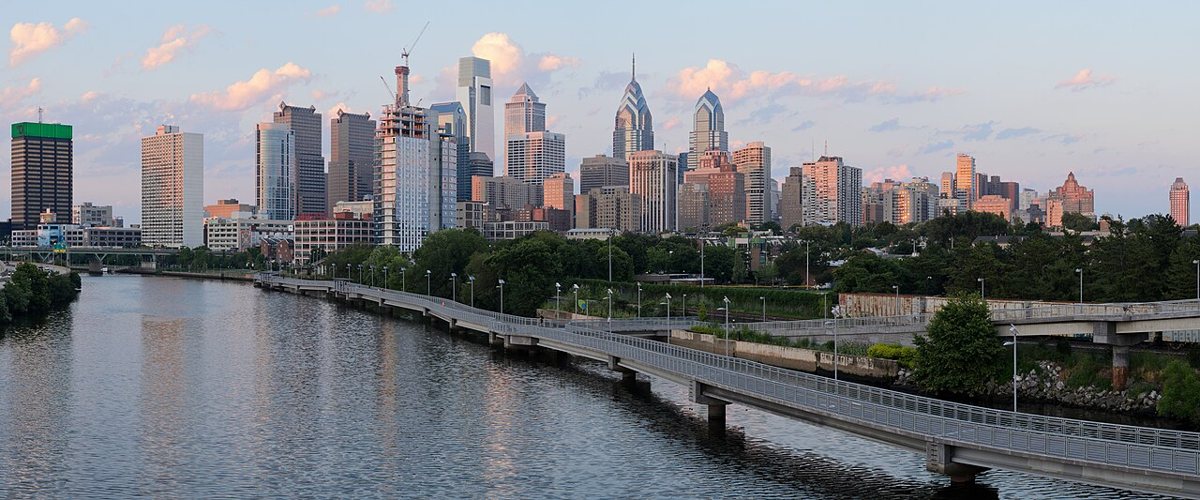
Running along the opposite riverbank, Schuylkill Banks, part of the broader Schuylkill River Trail, has become one of the city's most-used pieces of infrastructure: a paved path for running, biking, and rollerblading that connects Center City to Fairmount Park and, eventually, the suburbs and Manayunk beyond it. Floating boardwalk sections carry the path out over the water in a couple of spots downtown, and a small beach and boat launch near the South Street bridge give kayakers direct river access. On any decent-weather evening it's shoulder to shoulder with commuters cutting through on bikes and people just out for air after a day inside.

The Delaware Riverfront Piers
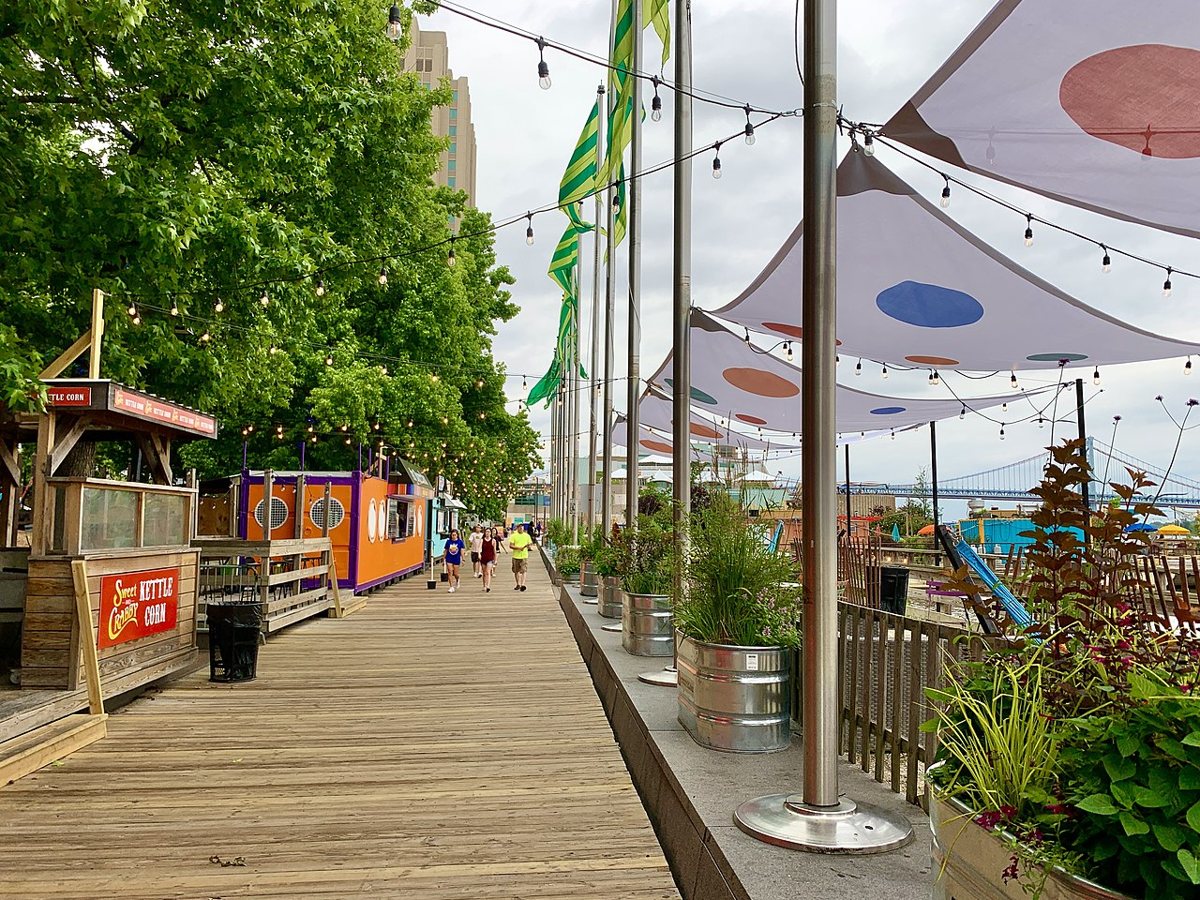
The Delaware waterfront north of Penn's Landing has quietly become one of the more interesting additions to the city's park inventory over the past decade, converting a stretch of aging industrial infrastructure into public space piece by piece. Cherry Street Pier reuses a former shipping shed as a covered public space with rotating art installations, resident artist studios, and food vendors that make it usable rain or shine. Race Street Pier, just south of it under the Ben Franklin Bridge, is a minimalist landscaped deck with tiered lawns that face directly into the bridge's underside lighting at night, designed with an unmistakable nod to the High Line in New York but with a distinctly Philadelphia lack of pretension about it. Spruce Street Harbor Park, further down the waterfront, leans harder into spectacle: hammocks strung between trees, floating gardens, and string lights that turn the whole stretch into a nighttime hangout once the sun drops, with food vendors doing steady business through the warmer months.

The Northeast's Quiet Giant
Pennypack Park rarely comes up in conversations about the best parks in Philadelphia, and that's a mistake locals in the Northeast wouldn't make. It follows Pennypack Creek for roughly nine miles through rowhouse neighborhoods that feel worlds away from Center City, with paved and unpaved trails, an active horseback riding stable, several stone bridges dating back to the 18th century, and enough tree cover that summer afternoons here run noticeably cooler than the surrounding blocks. Anglers fish the creek for trout in the spring, and the paved sections near the park's southern end draw a steady stream of cyclists commuting between the far Northeast and the rest of the city. If you've only ever explored the trails closer to the Art Museum, Pennypack is worth the trip north, if only to see how differently the same city can feel a few miles from downtown.
Practical Notes for Visiting Philadelphia's Parks
SEPTA gets you close to most of these without a car, which matters in a city where parking near the riverfront on a nice weekend can eat up half your afternoon. The Market-Frankford Line, known to everyone here simply as the el, drops you near Penn Treaty Park and within walking distance of the Delaware riverfront piers, and it's the fastest way to get out to those spots from Center City. Regional Rail and the trolley lines reach Manayunk and Chestnut Hill, putting the Wissahickon's quieter entrances within reach without a car, and buses run along Baltimore Avenue straight into Clark Park. Center City's squares are all within a fifteen-minute walk of each other, making a square-hopping afternoon easy without any transit at all, and Fairmount Park's eastern entrances sit an easy walk or short bike ride from the Art Museum.
Timing matters more in some of these parks than others. Rittenhouse Square and Schuylkill Banks fill up fast once the weather turns warm, and a Saturday afternoon there in June looks nothing like a Tuesday morning in March. FDR Park's lagoons and Bartram's Garden's meadow both reward an early start, before the heat sets in and before parking near either gets tight. The riverfront piers are built for evenings: Race Street Pier and Spruce Street Harbor Park both look better lit up after dark than they do at noon, so plan those for a sunset visit rather than a midday stop.
- Weekday mornings are the quietest time in Rittenhouse Square, Clark Park, and along Schuylkill Banks, before lunch crowds and after-work runners arrive.
- Weekends bring farmers markets, festivals, and pickup sports to Clark Park and FDR Park, so go early if quiet is the goal.
- Every park listed here is free to enter and free to enjoy; some individual attractions inside Fairmount Park, like the zoo or historic house tours, charge separately.
- Summer evenings after 6pm are the sweet spot for the Wissahickon and Schuylkill Banks, once the heat breaks but before it gets dark.
- Bring water on the Wissahickon and Pennypack trails. There's shade, but not much in the way of amenities once you're past the main entrances.
- Fall is arguably the best season for the Wissahickon and Awbury Arboretum, when the crowds thin out and the tree cover turns color along the creek.
What ties all of this together isn't grandeur. Philadelphia's parks work because ordinary people actually use them, not because a design committee decided they should photograph well. A jawn as unglamorous as a dog park corner in Clark Park does more real work for this city's quality of life than any single monument downtown, and a quiet stretch of Cobbs Creek or Pennypack matters just as much as the postcard view from Race Street Pier. Visit the piers for the view, sure, and walk the squares because they're genuinely lovely. But build your trip around the parks that are still full of actual Philadelphians on an average Tuesday. That's where you'll understand this city, not just see it.