Things to Do in Philadelphia: A Local's Guide
Skip the Rocky steps sprint and the Liberty Bell line. Here's what actually fills a weekend, from a market that's fed Philadelphians for generations to a prison you can wander after dark.
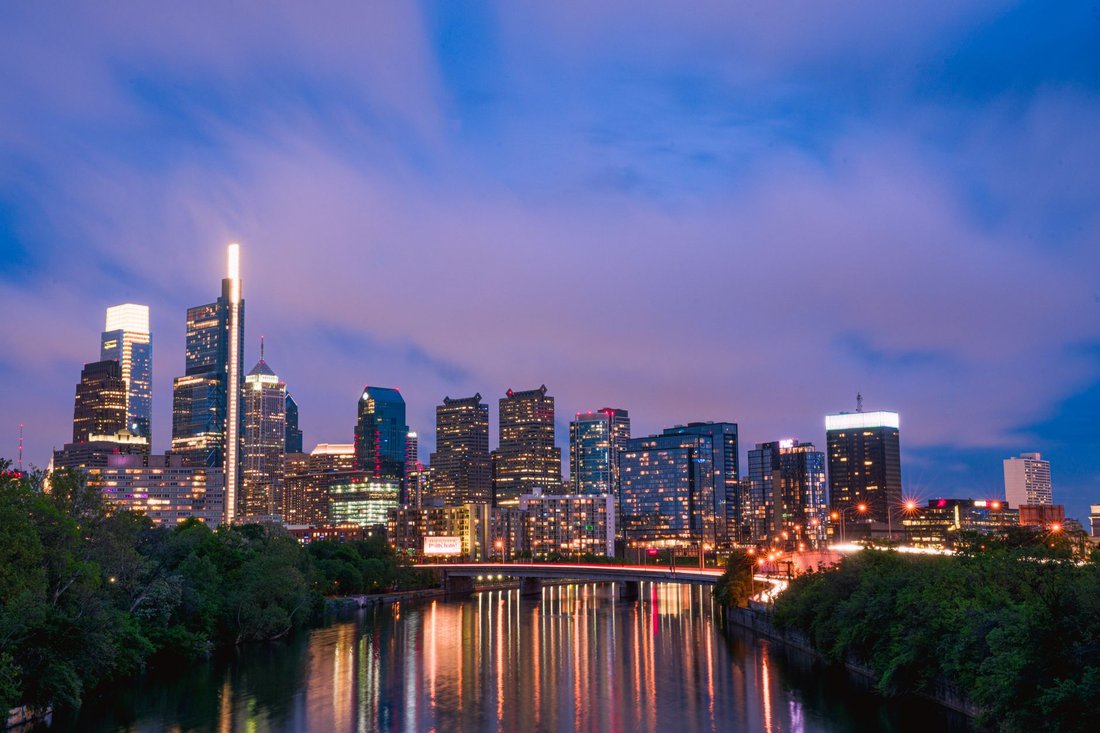
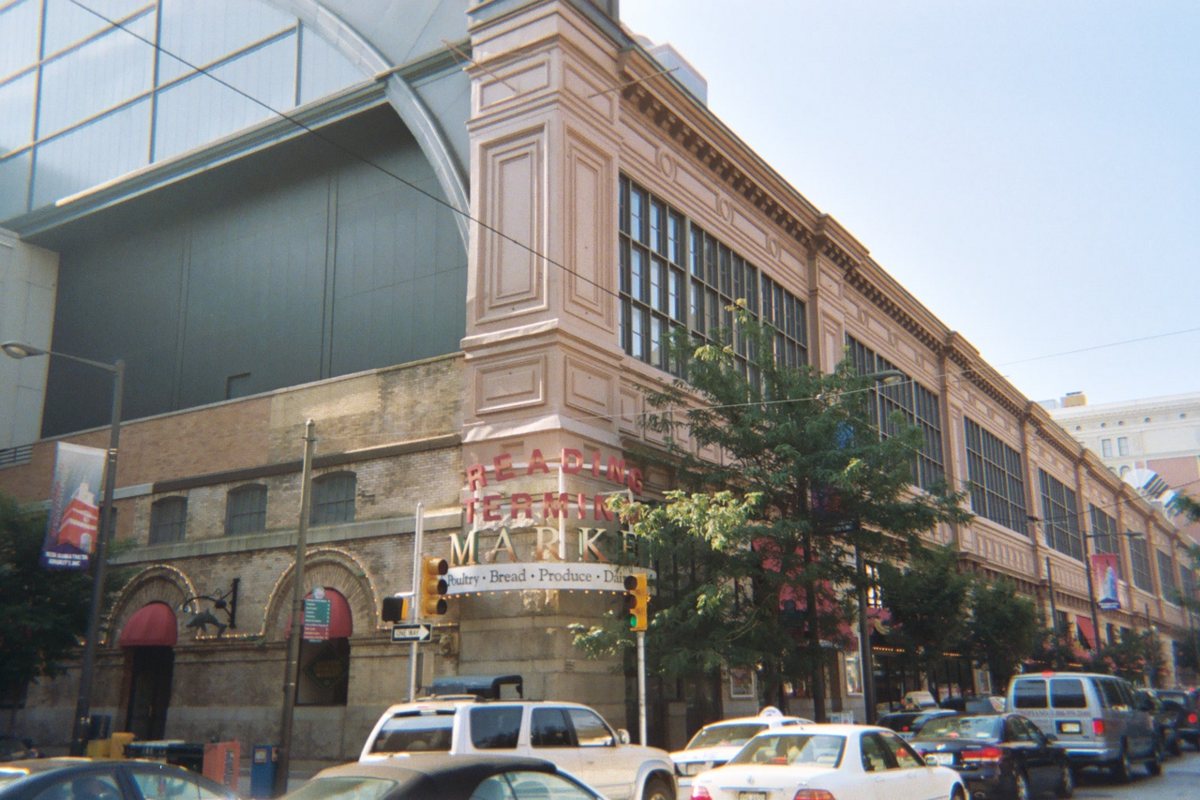
It's a Tuesday morning in February and there's already a line at Tommy DiNic's for the roast pork Italian, sharp provolone dripping onto wax paper, a guy in Carhartts arguing with his brother about whether the broccoli rabe belongs on the sandwich or beside it. Nobody here is a tourist. This is just Reading Terminal Market doing what it does on a random weekday, which is the whole point. If you're searching for things to do in Philadelphia and every list you've found starts with a bell that has a crack in it, close the tab. This is the version written by someone who lives four blocks from a trolley stop and has strong, occasionally hostile opinions about which neighborhood does what best.
What follows isn't a countdown of the ten best whatever. It's organized the way the city actually organizes itself, by neighborhood, by what kind of day you're having, by who you dragged along. Some of it is famous. Some of it you'll only hear about from someone who actually lives here. All of it is real, all of it is standing where I say it's standing, and none of it requires you to fake enthusiasm for a statue.
Center City and Old City: things to do in Philadelphia when you want the museums
Reading Terminal Market anchors this whole section and honestly the whole city. It's a working market that predates the building around it in spirit if not in fact, a full city block of Amish stands, Pennsylvania Dutch bakers, Vietnamese sandwich counters, a spice merchant that's been there for generations, and enough competing cheesesteak and roast pork stalls to start an argument at any table you sit down at. Go hungry, walk the whole place once before you buy anything, and know that the "best" stand here is a matter decided by neighborhood loyalty, not a Yelp score. Get there on a weekday morning before the lunch rush turns the aisles into a scrum, and don't skip the Amish counters just because the line looks slow, because it moves.

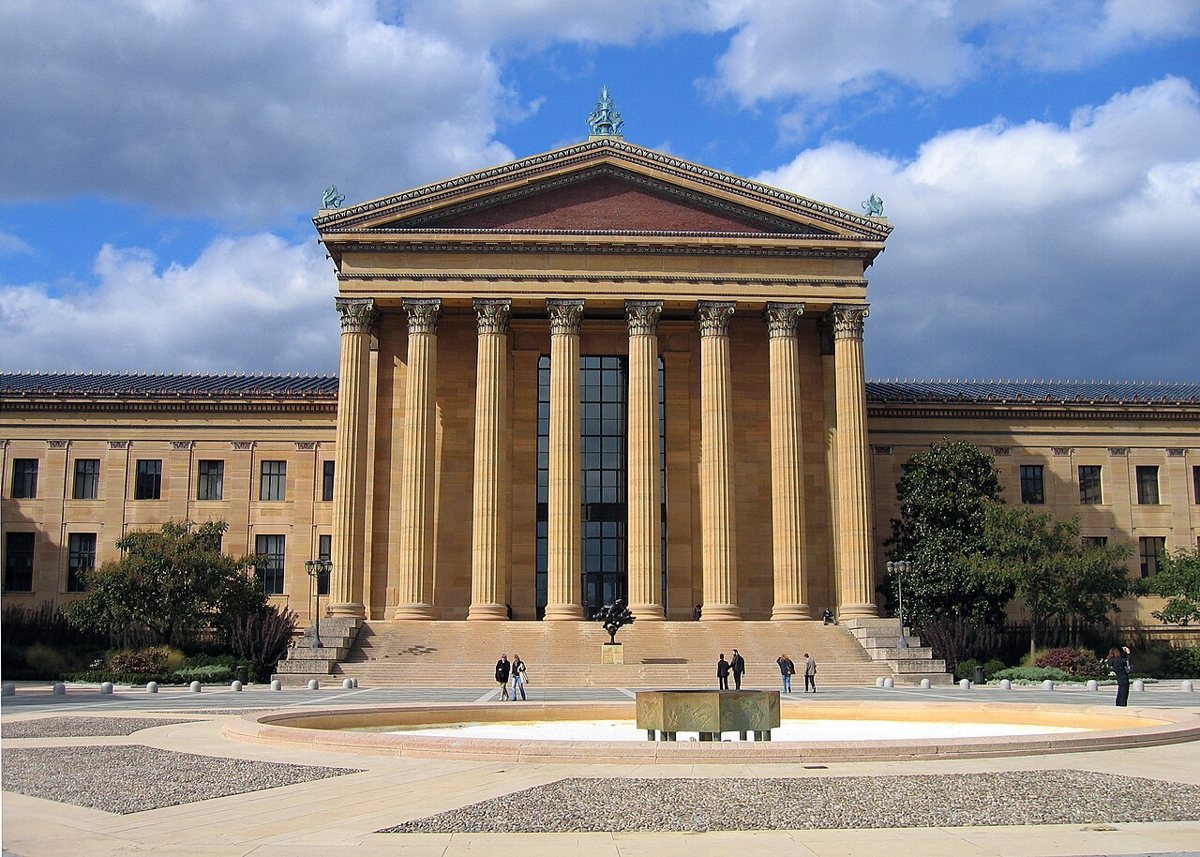
The Philadelphia Museum of Art gets treated like a photo backdrop because of a boxing movie, which does the actual collection a disservice. Inside there's an outstanding run of Impressionist and early modern work, a genuinely startling Duchamp collection, and period rooms including an entire reassembled Chinese temple hall and a Japanese teahouse that stop people cold. The steps out front are free to climb and the view down the Ben Franklin Parkway is legitimately good, but the museum itself is where the morning should actually go. Worth knowing: the museum connects to the Rodin Museum a short walk down the Parkway, and a combined ticket covering both is usually the better move than treating them as separate stops.

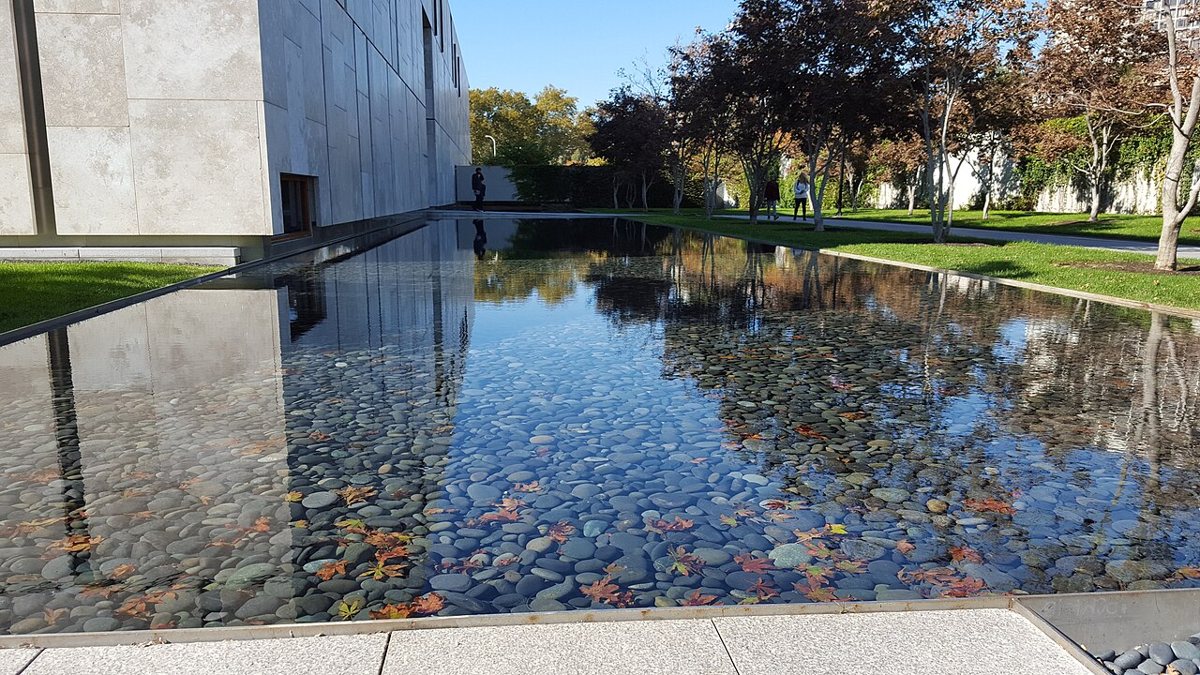
The Barnes Foundation is the one that actually changes how people think about looking at art. Albert Barnes hung his collection of Cézannes, Matisses, and Renoirs by the dozen in dense, deliberate wall arrangements mixed with metalwork and furniture, and the museum's current home reproduces those exact arrangements down to the nail. There's no didactic wall text walking you through each piece the way you'd expect; you're meant to look at the groupings themselves. It rewards people who find traditional museums exhausting. The audio guide here earns its keep in a way it usually doesn't, because it explains Barnes's actual logic instead of just narrating biography.

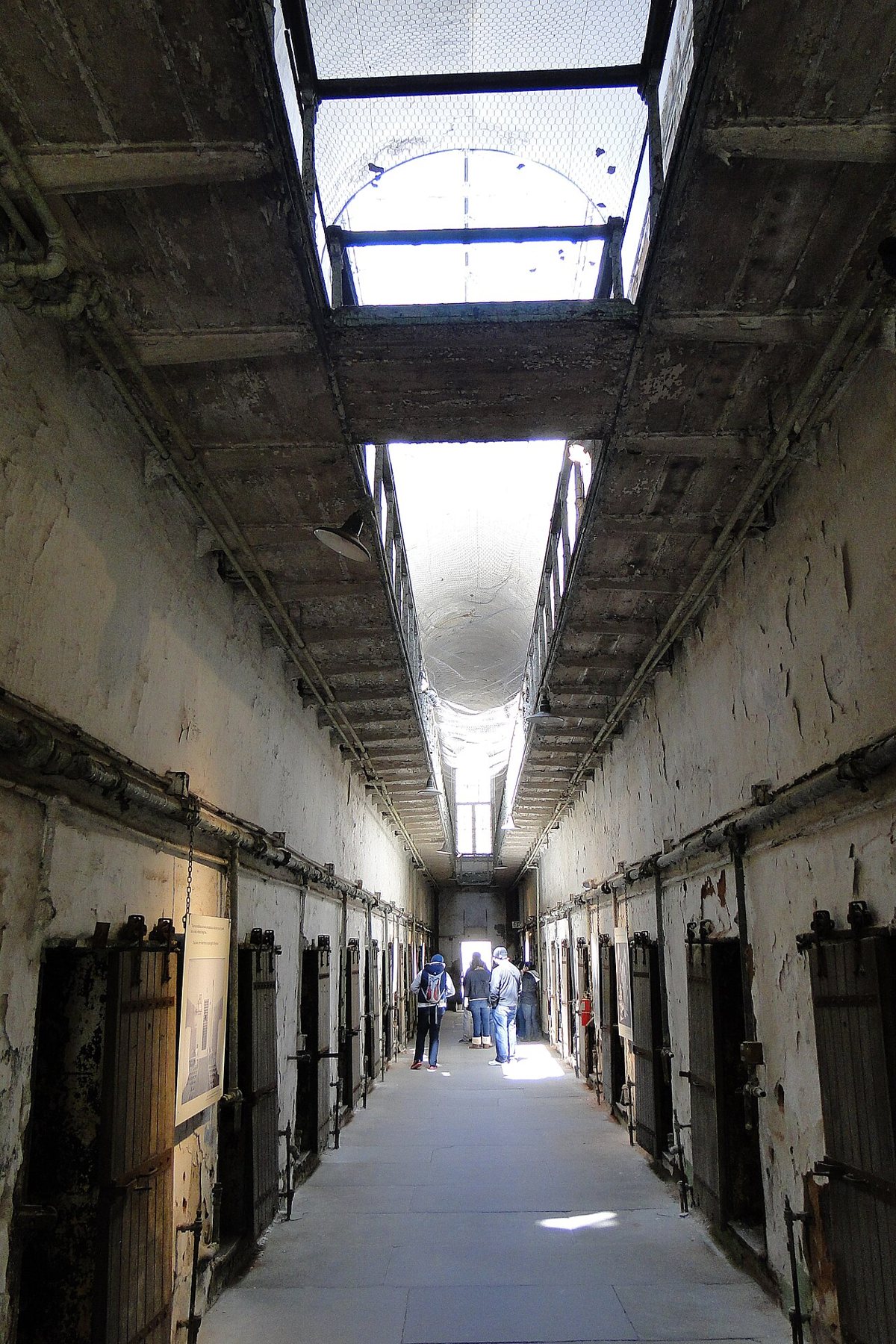
Eastern State Penitentiary sits a few blocks off the Parkway and looks like a medieval fortress dropped into a residential block, because that was the design intent. This was one of the first penitentiaries built on the idea of solitary confinement as reform, and walking the crumbling cellblocks, with their vaulted ceilings and hand-cut skylights, is one of the more unsettling and worthwhile hours in the city. It runs a haunted house every fall that draws its own separate crowd, but the daytime self-guided tour is the better introduction to what the place actually was. Get there when it opens if you can, because the light through the cellblock skylights is the whole photographic reason to go, and it changes fast.

Old City around Elfreth's Alley is where the colonial-era city survives without being roped off into a diorama. Elfreth's Alley itself is a cobblestone residential street, one of the oldest continuously inhabited ones in the country, and it's still just people's actual houses, so walk it quietly, because it's not a stage set. From there it's a short walk to Independence Hall and the surrounding park, which deserves an hour even if you're the type (like most of us who live here) who's numb to it by now. Go at dusk when the day-trip buses have cleared out and the cobblestones catch the streetlights; it's a completely different street than the one in the noon photos.
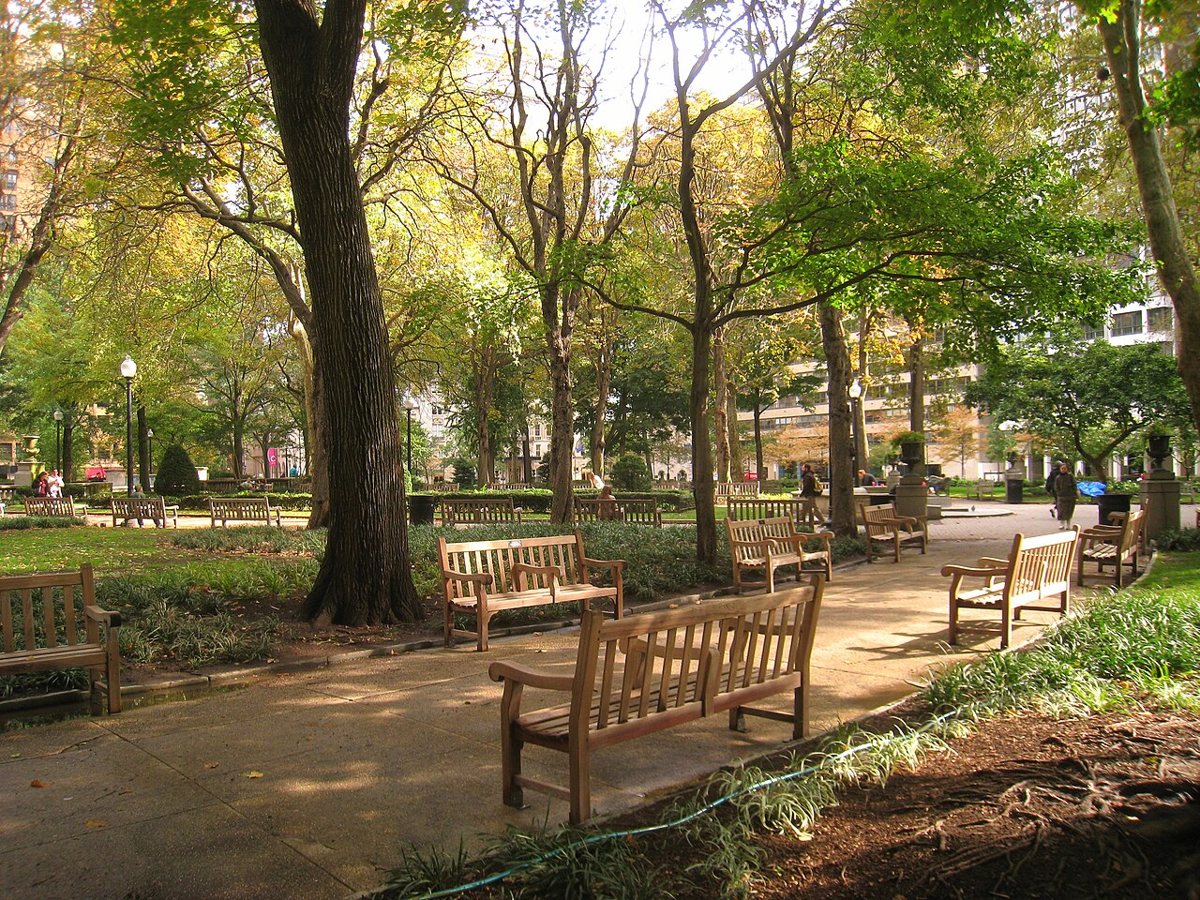
Rittenhouse Square deserves a stop before you leave Center City, and not as a checklist item. It's one of the original squares William Penn laid out for the city, and it still works exactly as a city park should, with people reading on the benches, dogs off their best behavior, kids climbing the goat statue, and office workers eating lunch on the grass under old plane trees. The blocks around it hold some of the city's most expensive real estate and a run of good restaurants and cafes, but the square itself costs nothing and rewards an unhurried hour more than a quick loop. Come on a warm weekday around lunch, grab something from a nearby counter, and just sit; it's the best free seat for watching how the city carries itself when it isn't performing.

Fishtown and Northern Liberties: where the city goes at night
Fishtown carries the reputation of being the creative, brewery-heavy corner of the city and it earns it. Come here for a proper brewery crawl, live music in rooms that hold two hundred people and feel like it, and restaurants that don't bother with a sign out front because everyone already knows where they are. It's walkable in a way a lot of American cities aren't anymore, and the housing stock, rowhouses next to converted warehouses next to brand-new construction, tells the story of the neighborhood's last twenty years better than any plaque would. One thing worth knowing: this is a BYOB town more than people realize, and a lot of Fishtown's best small restaurants are cash-only or reservation-only with no walk-in seating, so call ahead rather than showing up hopeful.
Northern Liberties, or NoLibs if you want to sound like you've been here a minute, sits just south of Fishtown and functions as the connective tissue between the historic district and the newer creative neighborhoods. It's less about a single destination and more about the density of good bars and a farmers market that draws people from across the city on weekends. The neighborhood rewards aimless walking more than a checklist. Park once and walk between NoLibs and Fishtown rather than driving between the two, since they're closer together than the neighborhood branding suggests, and the walk itself is half the appeal.
South Philly: the food fights that matter
The cheesesteak debate is the one visitors know, Whiz versus provolone, this rowhouse corner versus that one, and it's a real and ongoing argument among people who grew up three blocks apart. But ask most actual Philadelphians and they'll tell you the roast pork Italian sandwich, slow-roasted pork with sharp provolone and broccoli rabe on a good seeded roll, outranks the cheesesteak on any objective measure, and South Philly is where that argument gets settled with your mouth rather than your opinion. The pork isn't one address, it's a whole culture of rowhouse takeout counters and BYOB spots clustered through the neighborhood, alongside the newer wave of excellent Vietnamese restaurants that have made South Philly one of the best food neighborhoods in the country, full stop. Don't ask a local which cheesesteak spot is "the best" unless you actually want a twenty-minute answer with strong feelings attached; ask instead where their family goes, which gets you a better sandwich anyway.
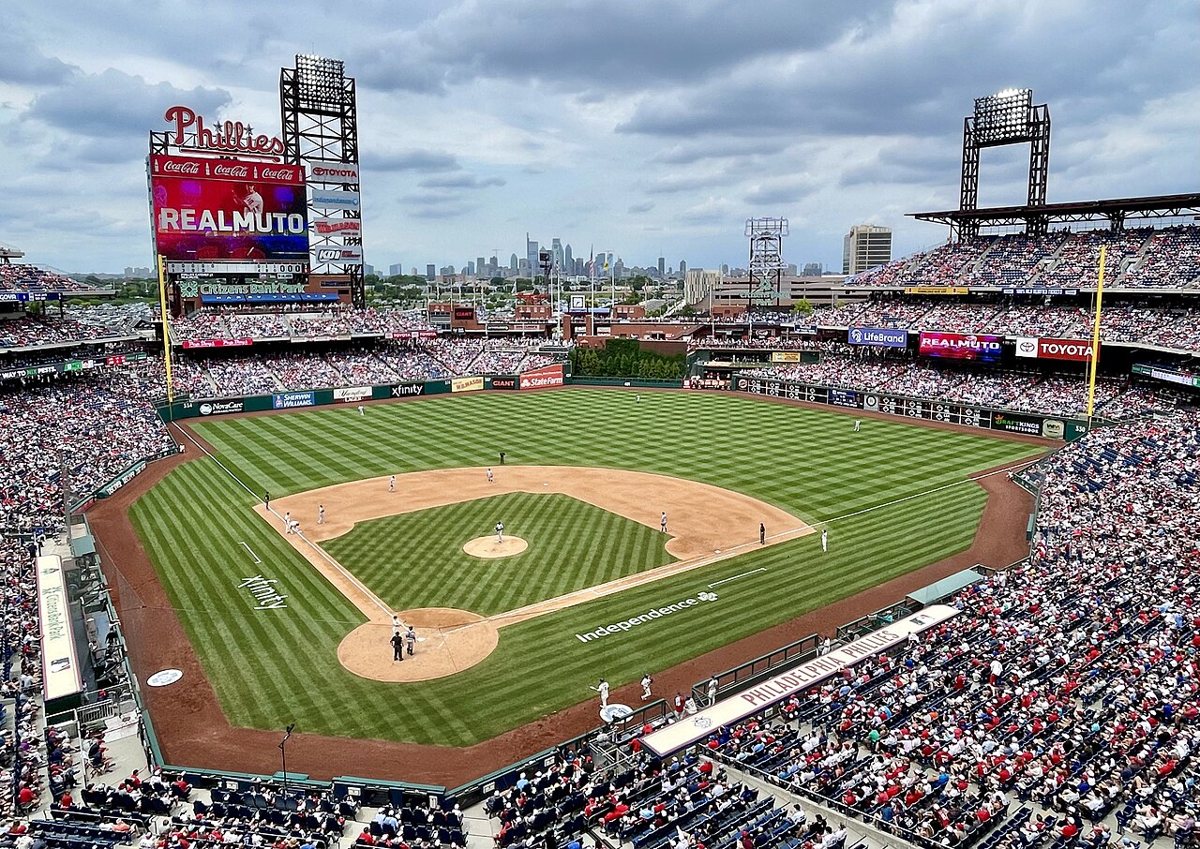
Citizens Bank Park sits at the southern edge of the neighborhood in the stadium complex, and catching a Phillies game there in the warmer months is as close to a religious experience as this town offers that isn't about the Eagles. The ballpark's concourses are genuinely known for food that's better than stadium food has any right to be, another extension of the city's food obsession bleeding into sports. Check what's playing at the other venues in the same stadium complex on the same night, because this city stacks its sports calendar tight, and a single trip down Pattison Avenue can turn into two events if you plan around it.

West Philly and University City: the side of town people skip
West Philly doesn't make the standard tourist itinerary and that's a mistake. The neighborhood is where the university museums live, where the tree-lined blocks of Victorian twins give the city a completely different texture than the rowhouse grid downtown, and where a wave of small, serious restaurants has opened without much fanfare because the neighborhood doesn't need the marketing. It's also home to some of the city's best porch-sitting weather in early fall, which sounds like nothing until you've done it. The walk from University City into West Philly proper, away from the campus edge, is where the neighborhood actually starts to feel like itself, so don't turn around at the first block past the college buildings.
Fairmount Park and the Wissahickon: getting out of the rowhouses
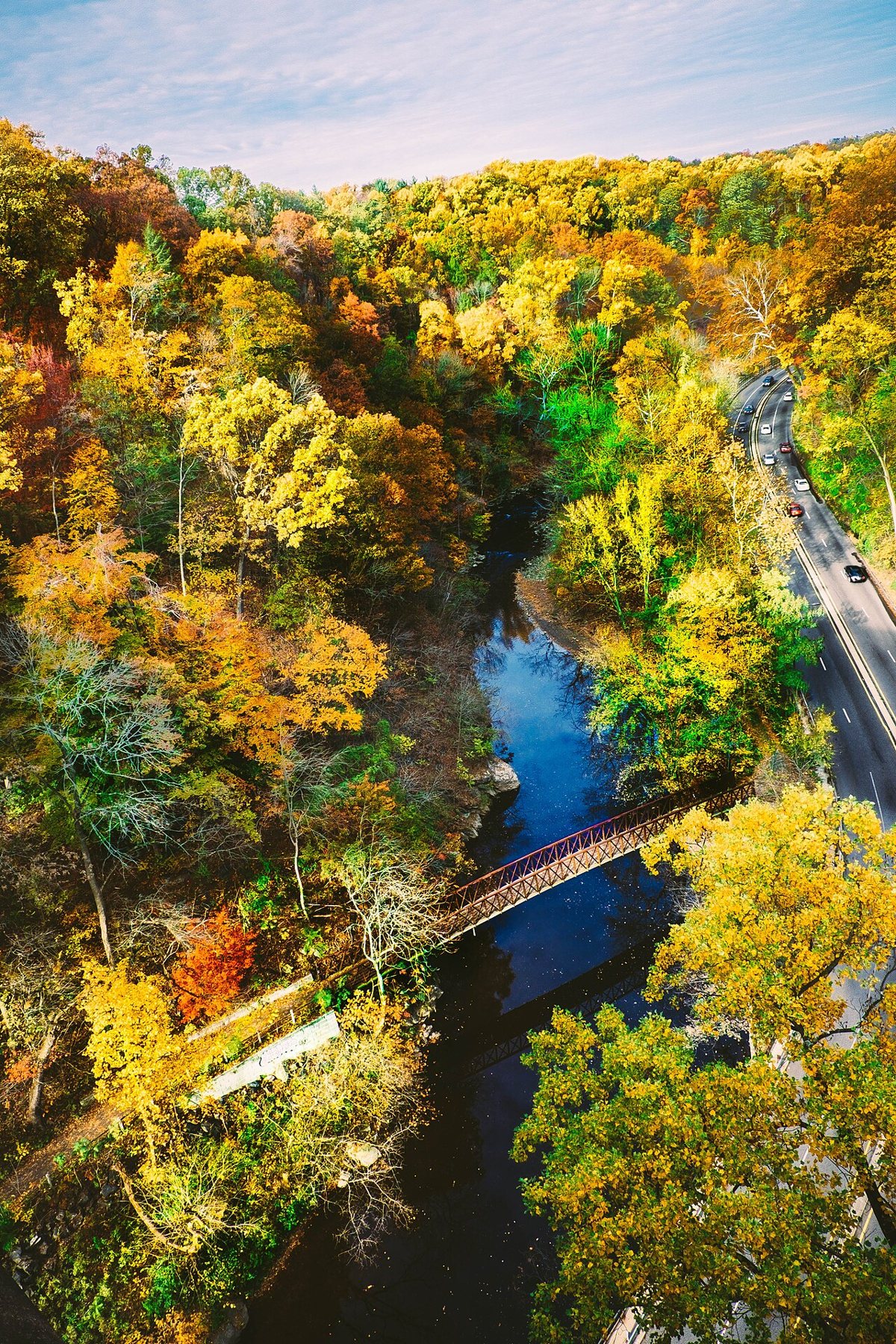
Fairmount Park is one of the largest urban park systems in the country, and most visitors never make it past the museum steps at its eastern edge to see what the rest of it actually is. Follow it northwest and it turns into the Wissahickon Valley, a genuine forested gorge with a creek running through it, hemlocks overhead, and enough trail mileage that you can lose the sound of the city entirely within twenty minutes of a car. Runners, cyclists, and horseback riders share the main trail without much friction, and there are covered bridges and old mill ruins scattered through it that most residents haven't found yet either. Enter from the Chestnut Hill side rather than the lower entrances if you want the gorge at its most dramatic right away, instead of working up to it.

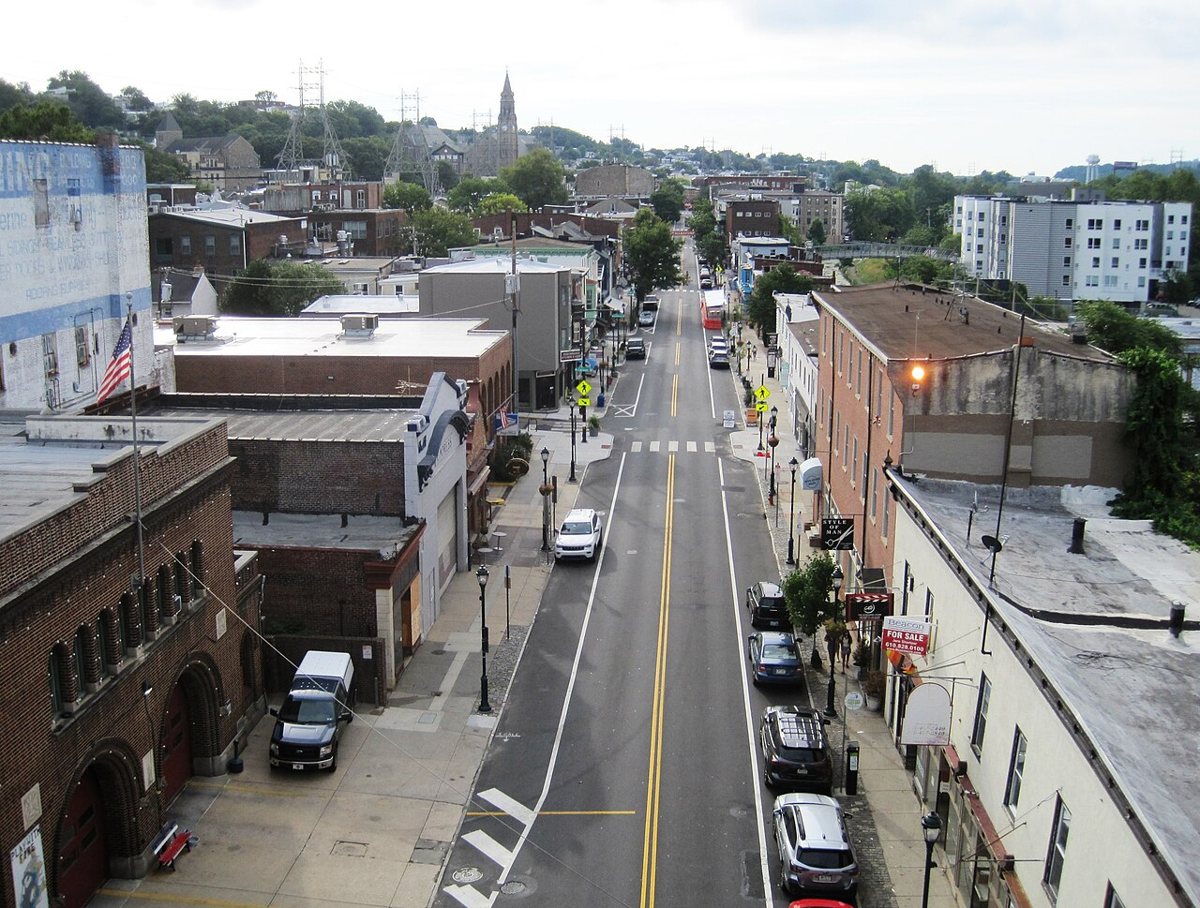
Manayunk sits along the Schuylkill a little further out, built up a steep hillside above the old canal that gave the neighborhood its industrial start. Main Street is where the afternoon actually happens now, with restaurants, boutiques, and bars packed into converted mill-town storefronts, and the towpath along the canal itself offering one of the flattest, most pleasant walking or biking routes in the city. It's a legitimately different pace than Center City, closer to a small river town that happens to still be inside Philadelphia's borders. Park down near the canal and walk up into Main Street rather than the reverse, because the hill is a lot easier to walk down when you're tired than to climb when you've just arrived.

Germantown and Chestnut Hill: the historic neighborhoods nobody puts on a postcard
Germantown predates most of what people think of as historic Philadelphia, with Revolutionary War history embedded directly into its stone houses rather than roped off in a separate district. It doesn't get the visitor traffic Old City does, which honestly makes walking it feel more like discovering something than checking a box. Chestnut Hill, just up the road, keeps its Main Street feel intact with independent shops and stone architecture that make it feel closer to a New England town than anything else nearby, and it sits right at one of the best entrances into the Wissahickon woods. Pair a Chestnut Hill afternoon with a Wissahickon entry from that side of the park; it's the single best way to combine a walkable town center with genuine forest in the same afternoon.
Public art you can't avoid, and shouldn't try to
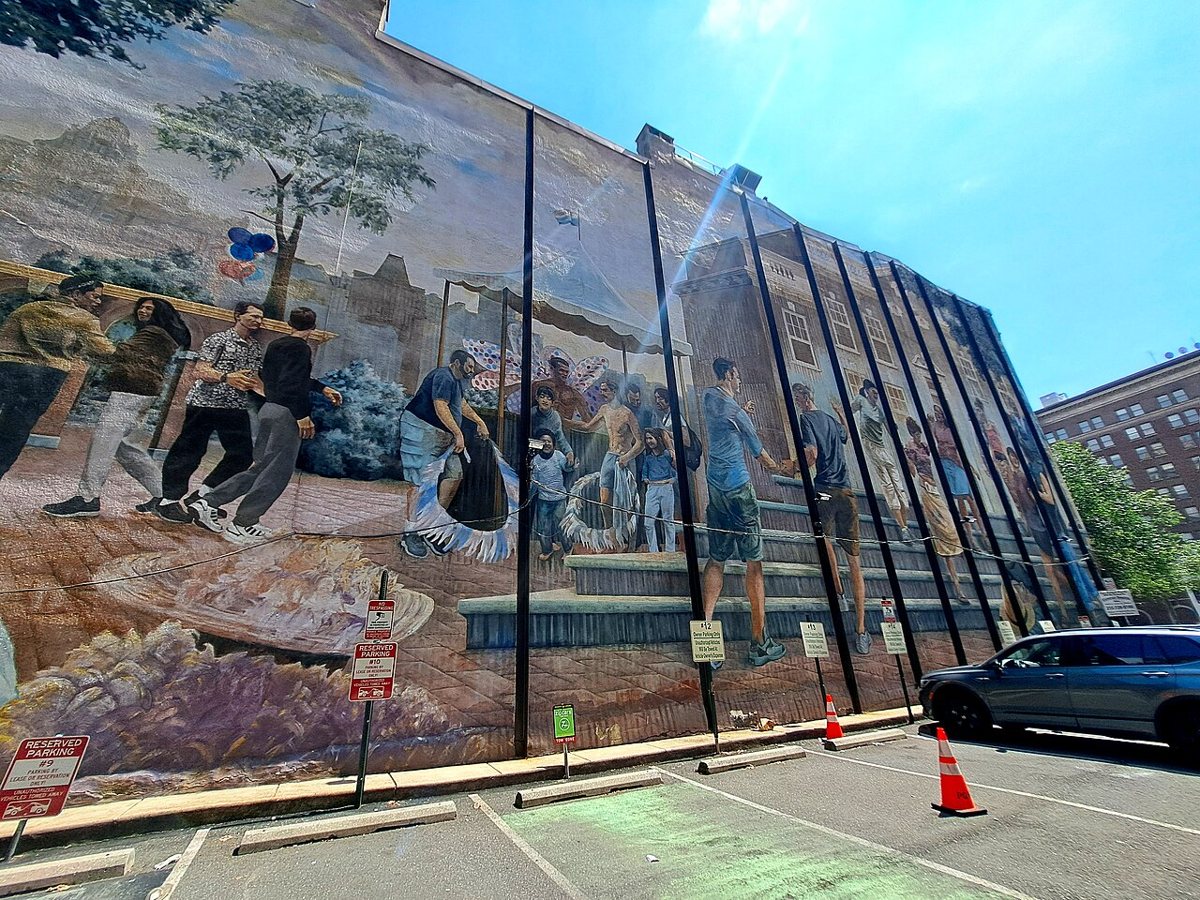
The Mural Arts Program has covered the city in more murals than any other American city can claim, and unlike a lot of civic public art, these actually mean something to the blocks they're painted on, from memorials to neighborhood figures to responses to specific local history to collaborations with the residents who live under them every day. There's no single place to see "the murals," because they're the connective tissue of neighborhoods across the whole city, from South Philly to West Philly to North Philly. Guided tours exist if you want context, but plenty of longtime residents will just point you down a specific block and tell you to look up. Some of the most striking murals are in neighborhoods well outside the downtown core, so if you only look at the ones near Center City you're seeing a fraction of the program's actual scope.

Getting around, timing it right, and what's actually free
The el (that's SEPTA's Market-Frankford Line, for the uninitiated) runs east-west and connects Old City through Center City out toward West Philly, and it's the fastest way to cover ground without a car. Regional Rail and the trolleys handle the rest, and a lot of the neighborhoods above, from Fishtown to NoLibs to South Philly to University City, are more efficiently reached by transit or a long walk than by trying to park. Spring and fall are the sweet spots for weather; summer in the rowhouse neighborhoods gets genuinely hot, and winter, while workable, means a lot of the outdoor stuff like the Wissahickon trades scenery for a coat. On free: the Wissahickon and Fairmount Park cost nothing, walking any of the neighborhoods above costs nothing, Elfreth's Alley and most of the murals cost nothing to view, and several of the museum-heavy days can be planned around free admission windows if you check ahead, though those specifics shift often enough that it's worth confirming close to your trip rather than trusting an old list.
The point of all this
What actually makes a Philadelphia trip work isn't hitting every landmark in one exhausting day, it's picking a neighborhood and letting it be slow. The city rewards people who eat where the line is full of people speaking fast and arguing about condiments, who walk a park until the traffic noise disappears, who wander into a rowhouse bar with no sign because that's just how the block does it. This is a city of neighborhoods that genuinely dislike being lumped together, and the best trip here treats them that way. If your only goal is a photo on a museum staircase, you'll get the photo and miss the city. For more on where to actually eat while you're doing all this, our guide to the cheesesteak debate settles the Whiz-versus-provolone argument as much as it can be settled, and if you're planning a longer stay, our rundown of the city's best BYOB spots will save you from a wasted night at a place that doesn't take reservations. Come hungry, wear shoes you can walk a neighborhood in, and don't let anyone rush you past the market.