Best Museums in Philadelphia You Shouldn't Miss
From the Barnes Foundation's stubborn hanging to a haunted prison in Fairmount, the best museums in Philadelphia cover a lot more ground than the Parkway. Here's how a local actually plans the trip.
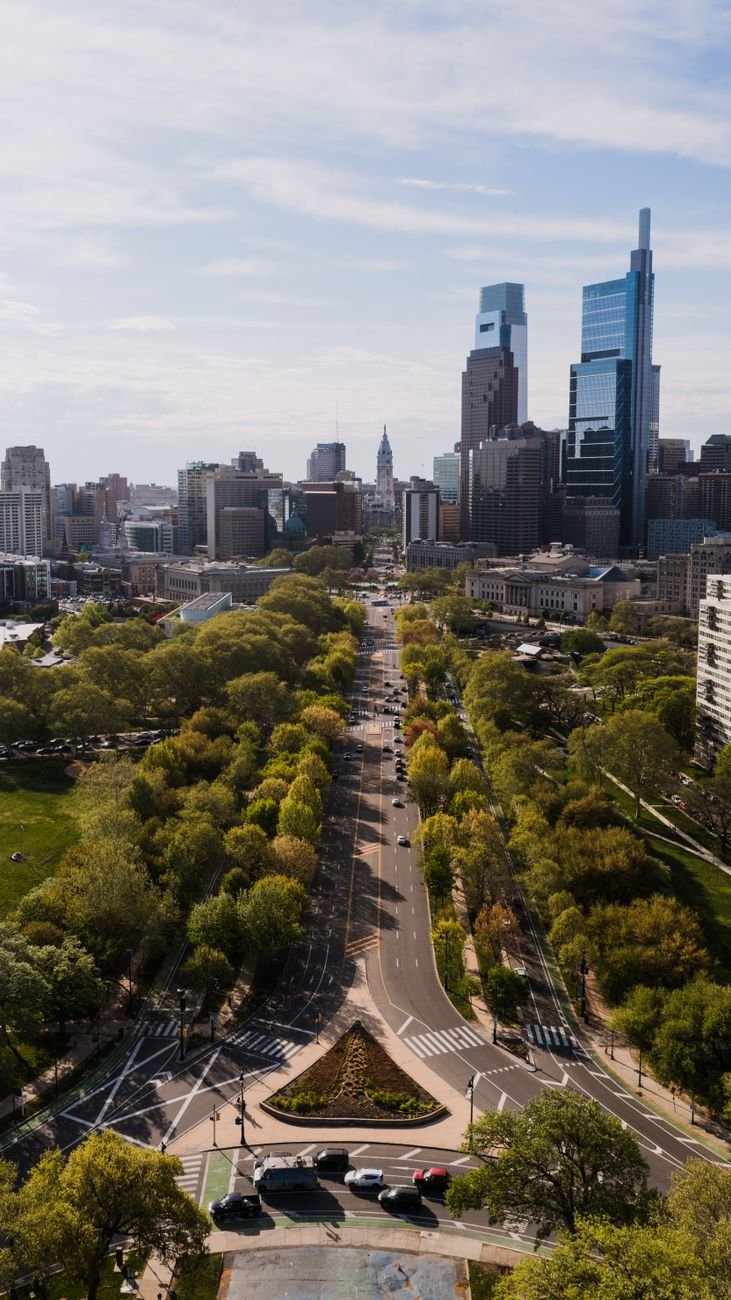
On a gray Tuesday morning in Memorial Hall, out past the front desk of the Please Touch Museum in Fairmount Park, a kid in dinosaur rain boots is negotiating with a museum staffer over whether the antique carousel counts as one ride or two. Nobody in line is in a hurry. That unhurried, slightly stubborn energy, nobody rushing anybody and everybody convinced their own opinion is the correct one, is basically the whole story of how this city does museums. Ask five Philadelphians for the best museums in Philadelphia and you'll get five fiercely defended, mildly contradictory lists, usually delivered with a story about a school field trip gone sideways. This is that list, argued out properly, with the field trips left in.
Philadelphia has more museums per square mile than it has any right to, and most of them are genuinely good, not just good "for a smaller city." Some of that comes down to money that stayed local for a century and a half. Some of it comes down to a civic stubbornness about not being New York or Washington and not particularly wanting to be. What follows isn't a ranked countdown. It's organized the way you'd actually plan a week here: the art giants, the science stuff that doesn't feel like homework, the history you can walk through, the places built for kids, and the smaller, sharper spots that don't get enough credit.
The Best Museums in Philadelphia for Art, No Contest
Three museums sit within easy walking distance of each other along the Benjamin Franklin Parkway, and together they make the strongest case that this is one of the country's great art cities. None of the three behaves quite the way you'd expect a museum to.
Philadelphia Museum of Art
The Philadelphia Museum of Art is the anchor of the Parkway and one of the largest art museums in the country, with holdings deep enough that you could visit monthly for a year and still miss rooms. The permanent collection runs from a real Japanese teahouse and a relocated medieval cloister to an armor court that stops kids cold, plus major holdings of Cezanne, Eakins, and Duchamp, including his most notorious late work tucked behind an unmarked door that half the regulars don't even know about. Go for the special exhibitions if you follow the art world, but go for the permanent collection if you want to understand why Philadelphians get defensive about this place. One tip: the museum offers pay-what-you-wish access on select days, so check the current schedule before you go if cost is a factor, and use the north or west entrances instead of fighting the main hall crowds. It sits in Fairmount, at the top of the Parkway.

The Barnes Foundation
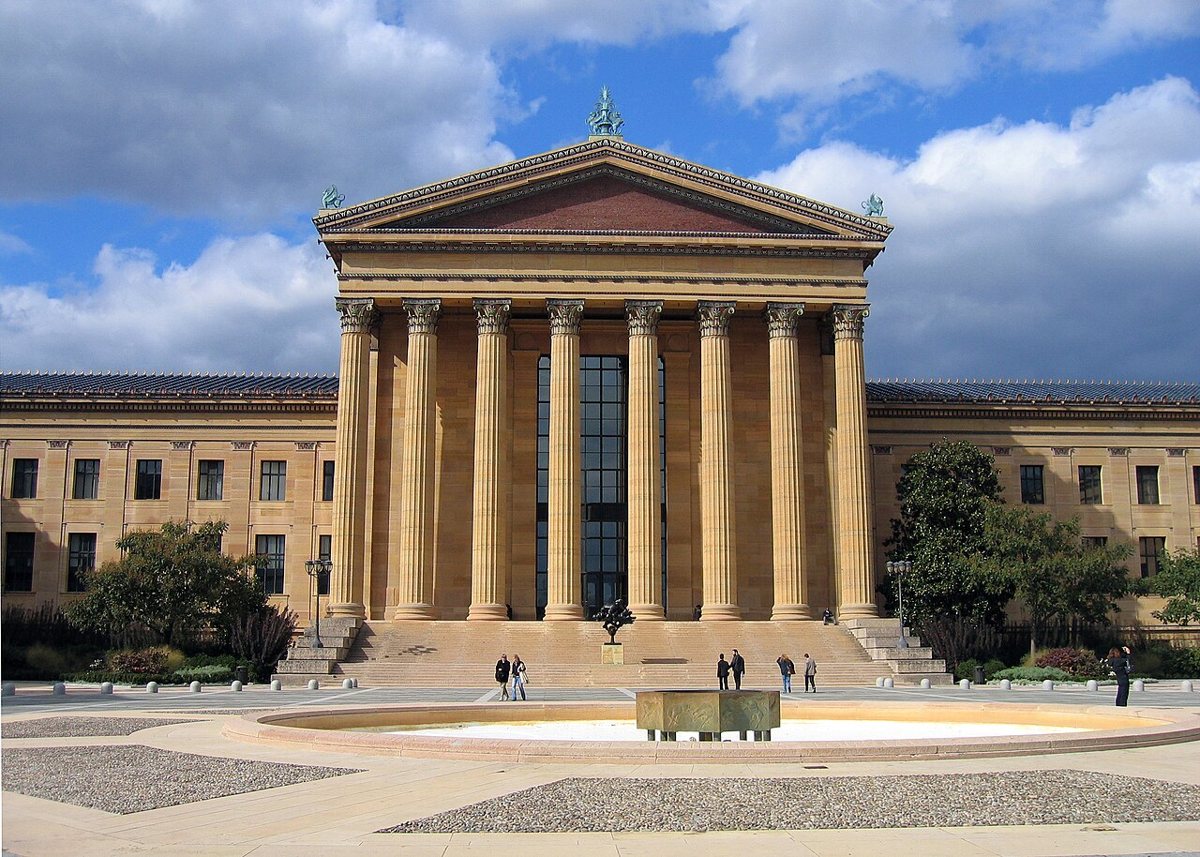
The Barnes Foundation is the collection that art history professors argue about, because Albert Barnes hung it himself, mixing Renoirs and Cezannes and Matisses with wrought-iron door hinges and African sculpture in dense, symmetrical "ensembles" that he legally required to stay exactly as he arranged them. That rule survived the foundation's relocation from its original Merion home to its current building on the Parkway, and it's still the single strangest, most rewarding way to look at Impressionist and Post-Impressionist painting in America. There's no chronological wall text walking you through movements. You just stand in a room and look at what one obsessive, difficult, brilliant man decided belonged together. A better move: skip the audio guide's straight narration and instead look at the hardware, the hinges, locks, and iron pieces mounted between the paintings are doing real compositional work, not decoration. It's on the Parkway, a short walk from the art museum.

The Rodin Museum
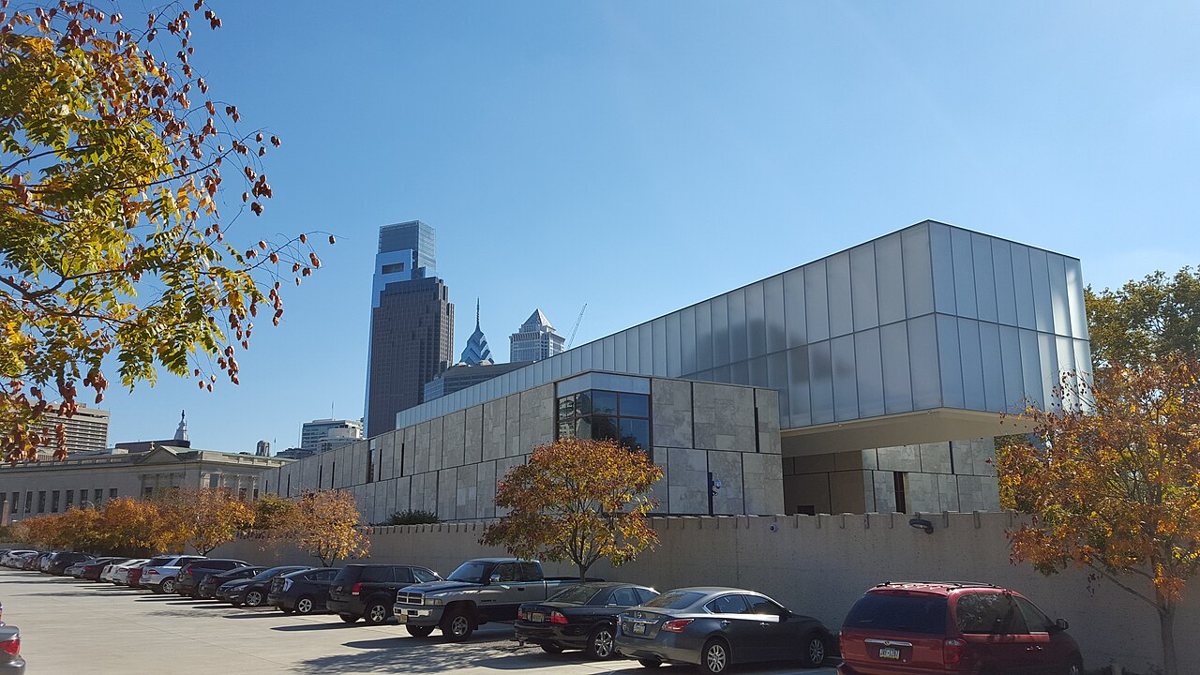
The Rodin Museum is small, free to enter the garden, and easy to treat as a footnote on the way to the bigger museums nearby, which is a mistake. It holds the largest collection of Auguste Rodin's work outside France, including a cast of The Thinker sitting right in the garden before you've even bought a ticket, and a monumental Gates of Hell at the entrance gate itself. The indoor galleries are compact enough to see properly in under an hour, which makes this the museum you slot in when you've got forty-five minutes and don't want to rush. Worth knowing: the garden is free and open during museum hours even if you don't go inside, so it's worth a walk-by even on a day you're not planning a full visit. It sits on the Parkway between the art museum and Logan Square.

Science and Discovery, Minus the Textbook Feel
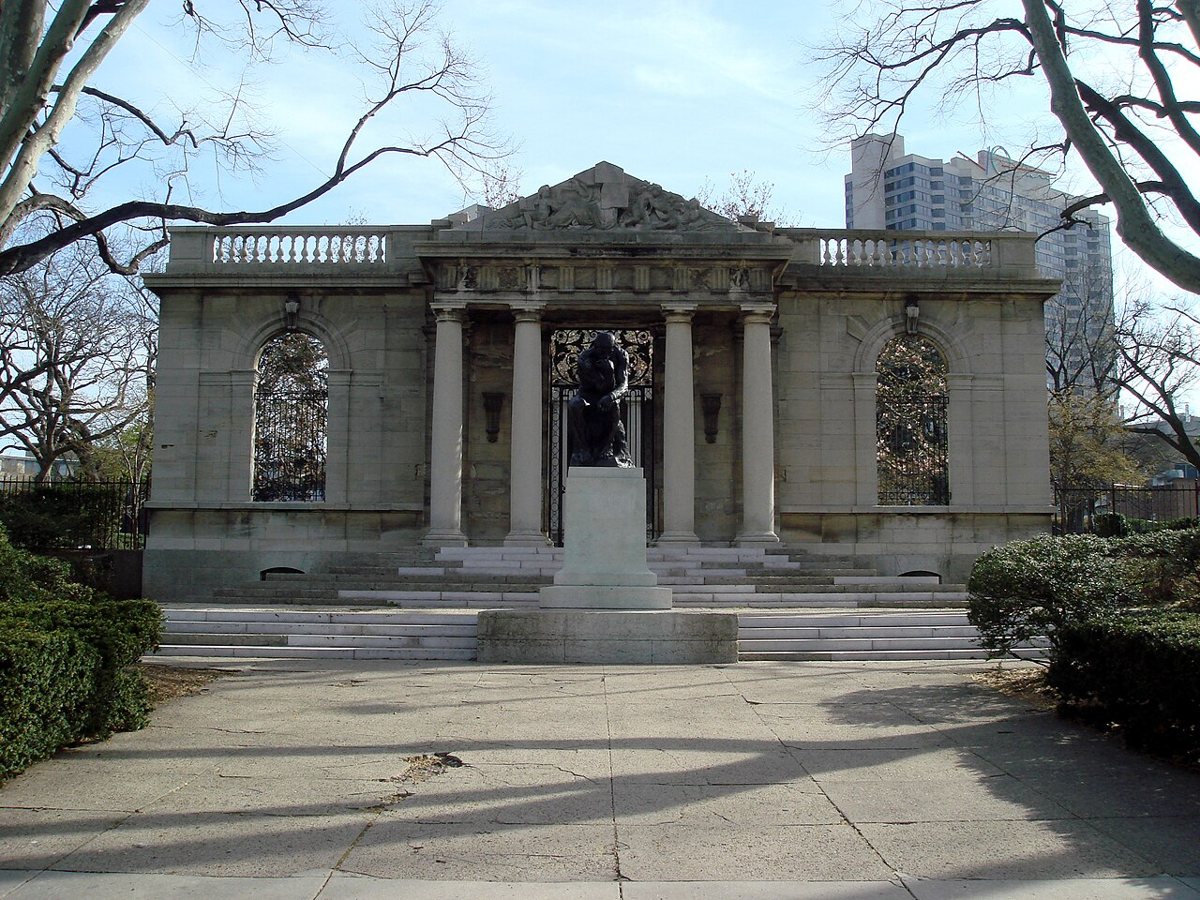
Two museums along the Parkway corridor cover science and natural history without a hint of classroom dust, and both work equally well as a rainy-day plan or a genuine reason to visit if you're a science person.
The Franklin Institute
The Franklin Institute is the hands-on science museum that generations of Philadelphia kids consider a personal landmark, largely because of the Giant Heart, a walk-through model of a human heart that's been scaring and delighting fourth graders since before their parents were born. Beyond the heart, there's a planetarium, a train exhibit built around a real steam locomotive, and rotating blockbuster traveling shows that bring in dinosaur bones or space artifacts depending on the year. It's genuinely built for a mix of ages rather than just toddlers or just teenagers, which is rarer than it should be. Timing matters: the museum gets loud and packed with school groups on weekday mornings during the academic year, so a weekday afternoon or a weekend tends to be calmer despite the higher foot traffic. It's on the Parkway near Logan Square.

Academy of Natural Sciences of Drexel University
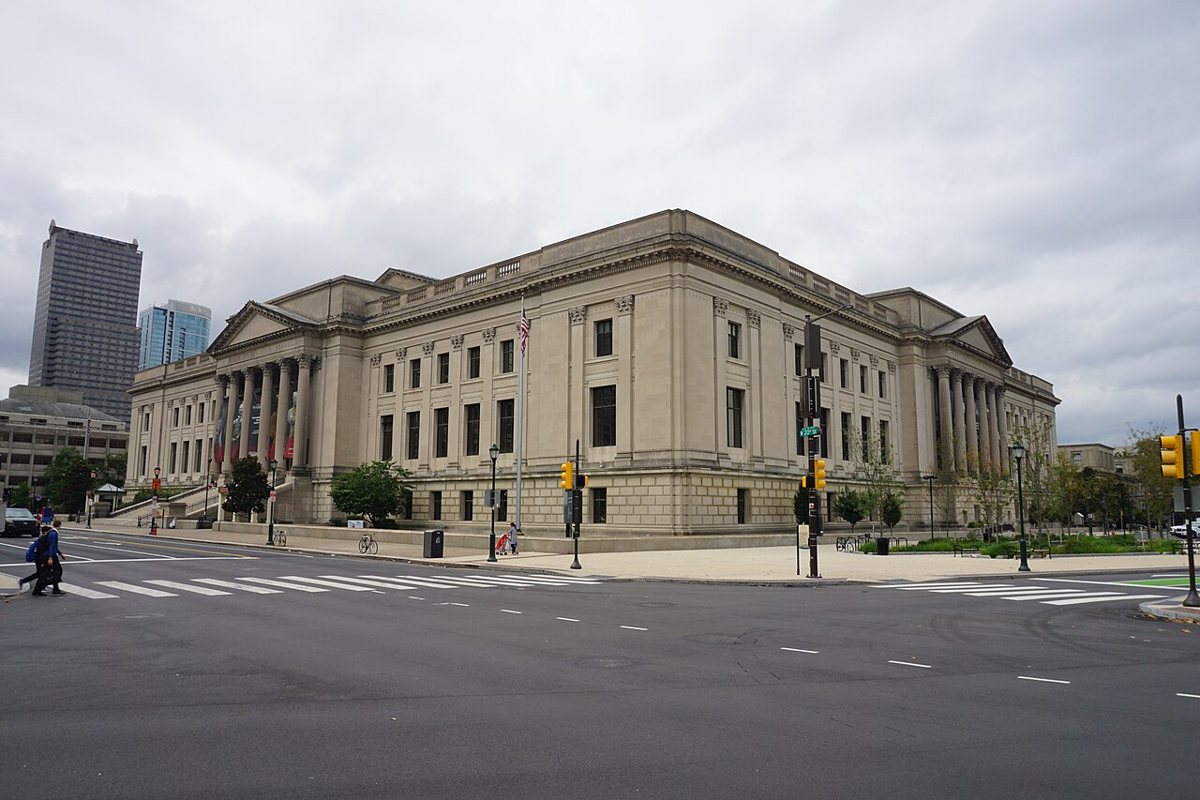
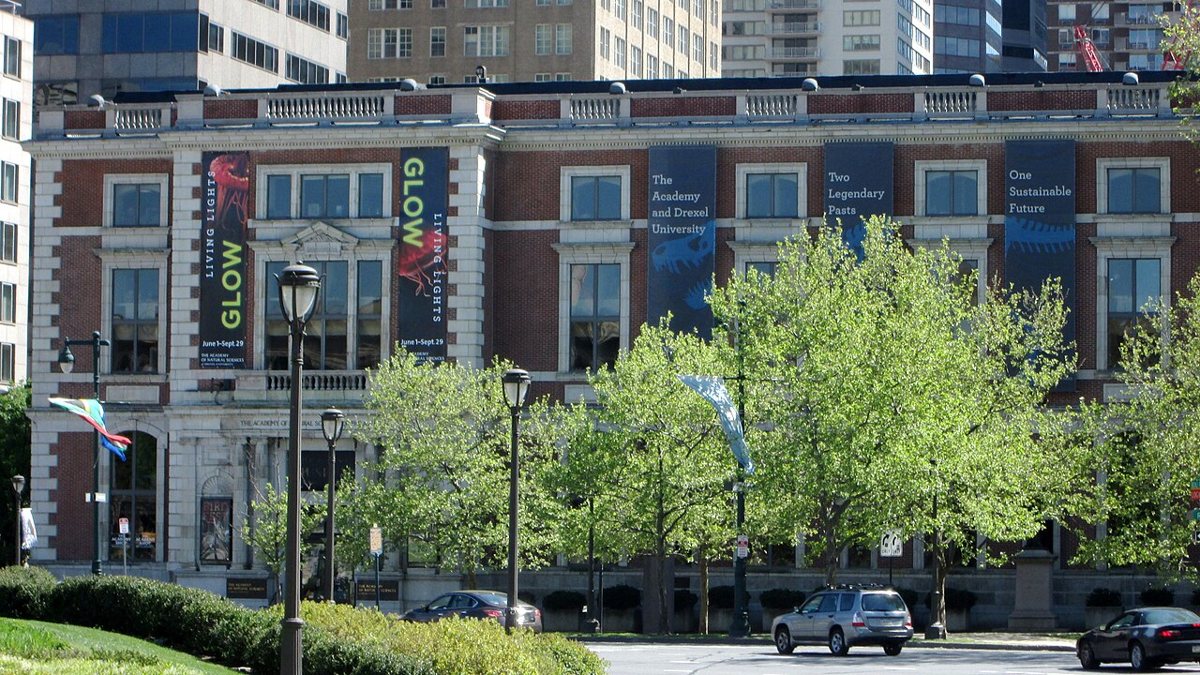
The Academy of Natural Sciences of Drexel University is the oldest natural history museum in the Americas, and it still runs on the old-school charm of dinosaur skeletons, taxidermy dioramas depicting habitats from around the world, and a live butterfly atrium that's genuinely one of the calmest rooms in Center City. It's a smaller, quieter museum than the Franklin Institute next door, which makes it the better pick for younger kids who get overstimulated fast, or for adults who want dinosaur bones without a crowd. Easy to miss: the "Outside In" nature center on the ground floor lets young kids touch real specimens and handle live animals in a low-key, unhurried setting, and it's often overlooked by visitors racing to the dinosaur hall upstairs. It's on the Parkway, right beside the Franklin Institute.

History You Can Actually Walk Through
This is where the city's oldest institutions live, and where a visit stops feeling like sightseeing and starts feeling like standing inside the thing you read about in school.
National Constitution Center
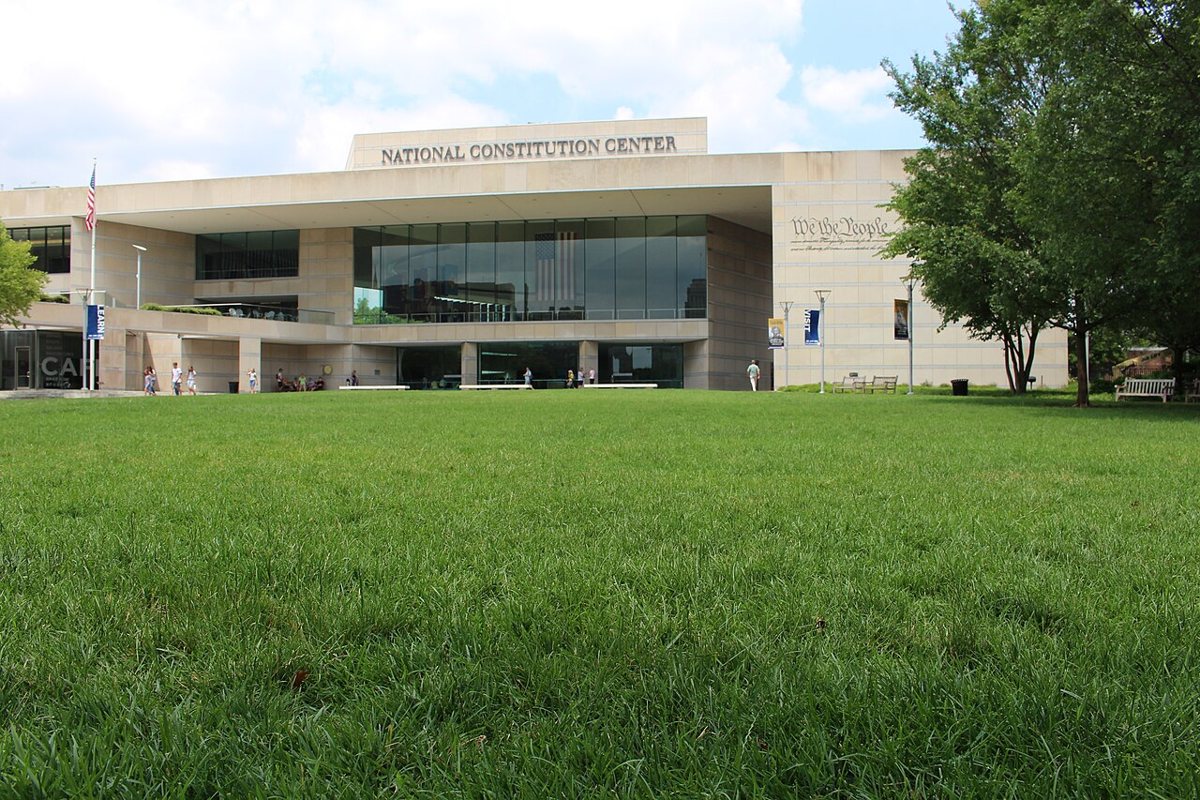
The National Constitution Center sits right on Independence Mall and takes the country's founding document seriously without turning it into a civics lecture. The centerpiece is Signers' Hall, a room full of life-size bronze statues of every delegate to the Constitutional Convention, posed mid-debate, that lets you walk up and stand shoulder to shoulder with Madison or Franklin. The rest of the museum leans into interactive exhibits and rotating shows on specific amendments, rights, and moments in constitutional history. One note: Signers' Hall is the one room here that photographs well and holds a kid's attention, so if you're short on time, prioritize it over the more text-heavy galleries. It's on Independence Mall, steps from Independence Hall.

The Mütter Museum
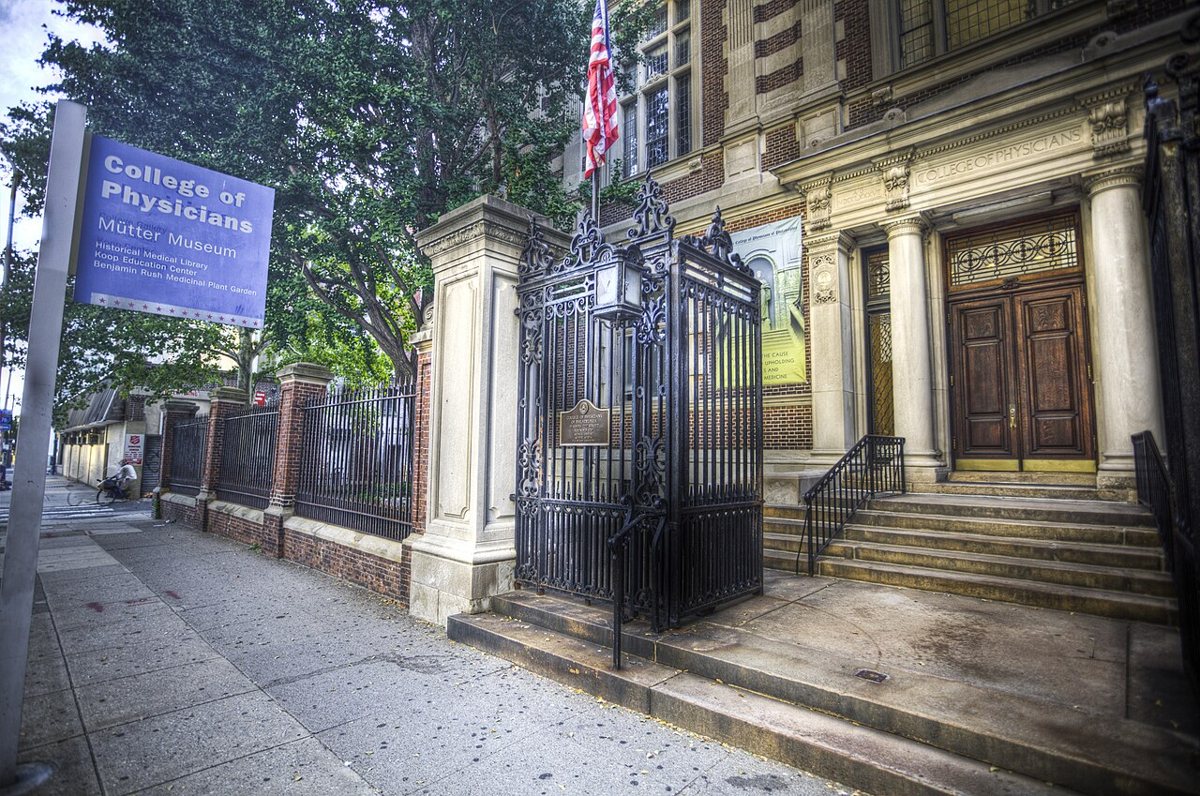
The Mütter Museum, run by the College of Physicians of Philadelphia, is the medical oddities museum that gets the most out-of-town word of mouth and the most misunderstanding. Yes, there are preserved specimens, historical skeletons, and anatomical models that are not for the faint of stomach. But the museum's actual mission is medical history and education, tracing how physicians understood disease and the human body before modern imaging and genetics existed. Treat it less like a curiosity cabinet and more like a serious history-of-medicine museum that happens to be unflinching about what that history looked like. Read the object labels rather than just gawking at the specimens themselves, the context is what makes this place more than shock value. It's in Center City, near Washington Square West.

Penn Museum
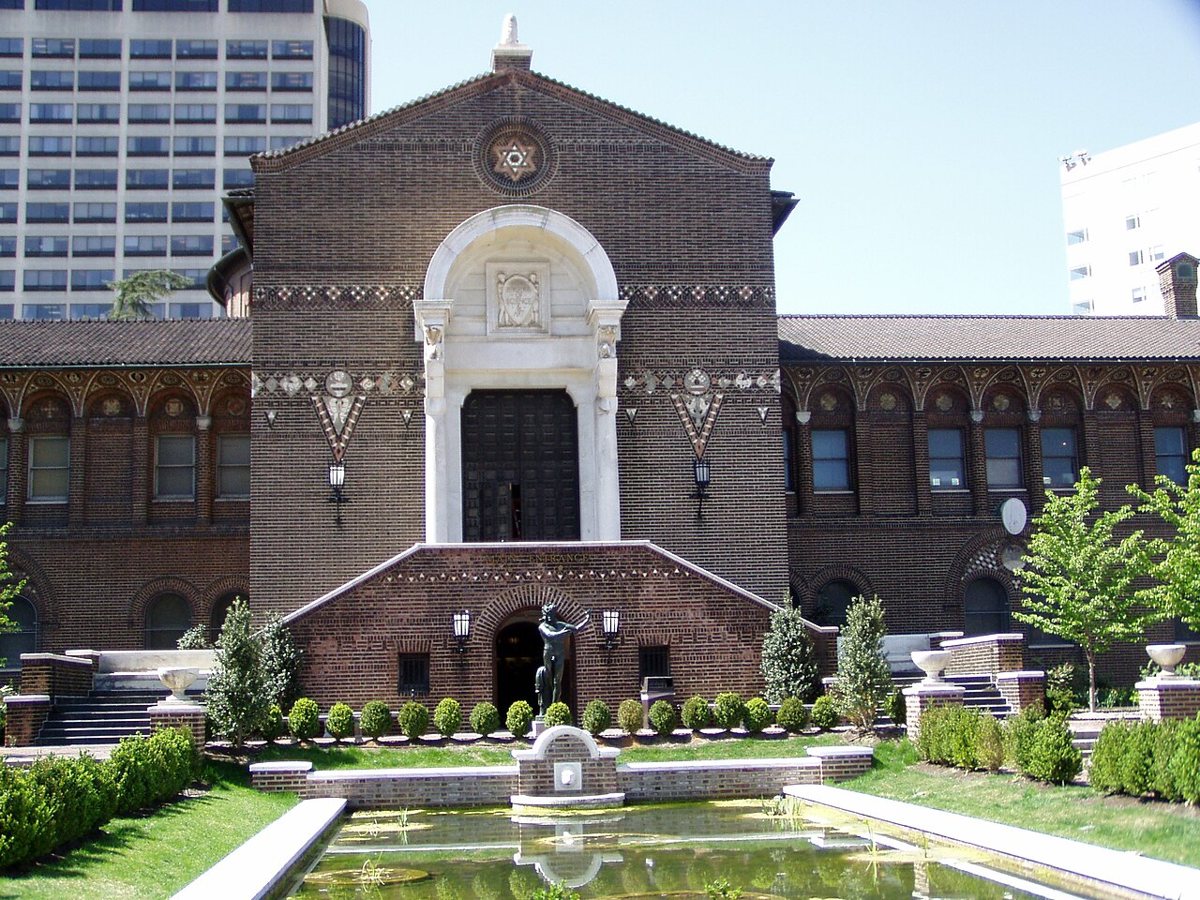
The Penn Museum, formally the University of Pennsylvania Museum of Archaeology and Anthropology, holds one of the great archaeological collections in the country, assembled through more than a century of university-sponsored digs across Egypt, the Near East, Mesoamerica, and beyond. The entrance gallery's Sphinx, one of the largest carved Egyptian sphinxes outside Egypt, sets the tone immediately, and the Egyptian and Middle Eastern galleries below it hold genuinely world-class material. Renovated wings in recent years have made the building itself easier to navigate without losing the sense that you're inside a working research institution, not just a display case. One more thing: the museum sits right next to Penn's campus, so pair a visit with a walk through University City rather than treating it as an isolated stop. It's in West Philadelphia, near 33rd and Spruce.

Eastern State Penitentiary
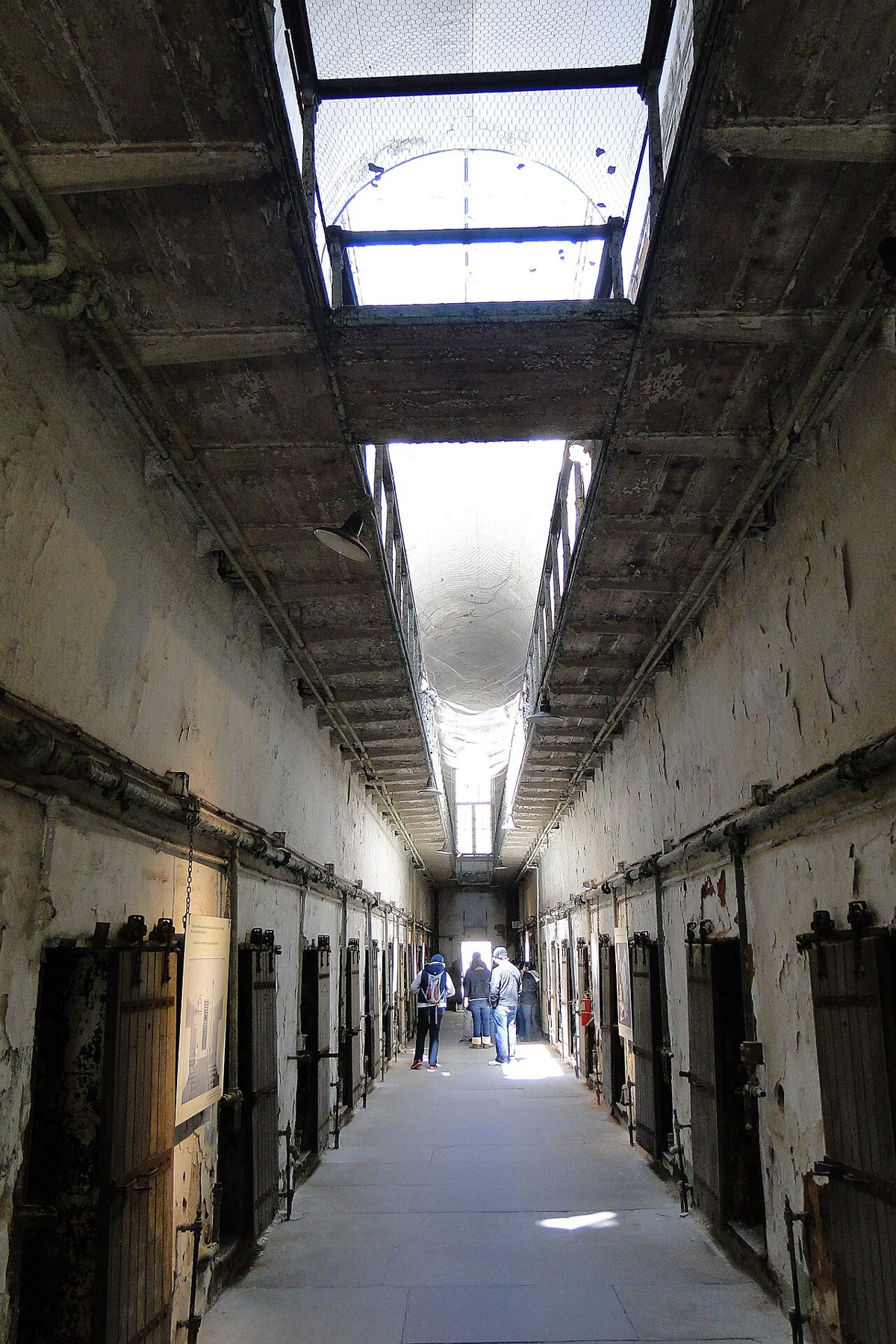
Eastern State Penitentiary isn't technically a museum in the traditional sense, it's a preserved, partially ruined nineteenth-century prison, but it functions as one of the more affecting historic sites in the city. The radial cell block design was copied by prisons worldwide, and walking the crumbling corridors, past Al Capone's furnished cell and collapsing ceilings left intentionally unrestored, tells you more about incarceration and reform history than any wall text could. The audio tour, narrated by actor Steve Buscemi, threads the architecture together with the stories of people who were actually held there. Insider tip: go earlier in the day for better light through the broken skylights and cell windows, and go in October if you want the site's long-running haunted attraction, though the crowds and hours shift heavily that month so treat any specific dates as something to verify closer to your visit. It's in Fairmount, near the art museum.

For Kids, and Anyone Who'd Rather Not Whisper
Some museums in this city are built for the specific chaos of a five-year-old's attention span, and pretending otherwise does everyone a disservice.
Please Touch Museum
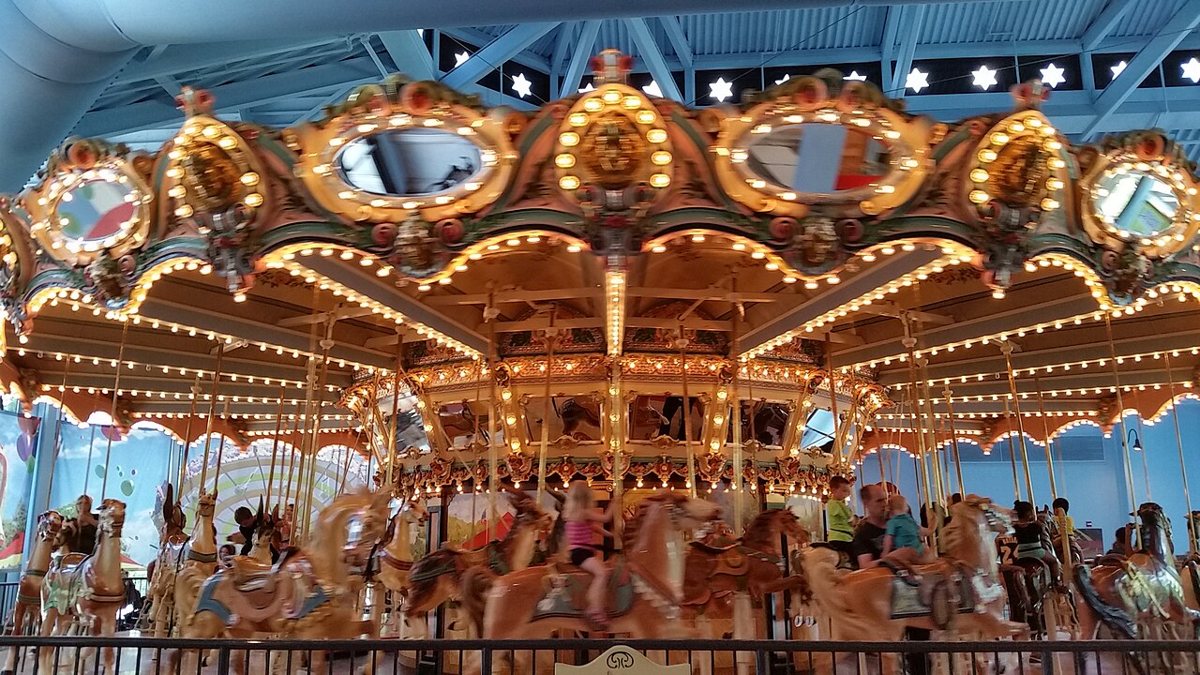
The Please Touch Museum lives inside Memorial Hall, the surviving art palace from Philadelphia's 1876 Centennial Exposition, which means the building itself is a piece of history before you even get to the exhibits. Everything inside is designed to be handled, climbed on, and rearranged, from a City Capers streetscape with a pint-sized grocery store and post office to an Alice in Wonderland-themed exhibit with a maze and an oversized tea party. The restored antique carousel out front, one of the last of its kind, is included with admission and is worth the wait even when the line looks long. Go early: weekday mornings right after opening are dramatically calmer than weekend afternoons, and the museum's location inside Fairmount Park means you can turn the visit into a longer outdoor day without much extra planning. It's in West Fairmount Park.

The Story Philadelphia Tells About Itself
A city this old, and this central to the country's founding, has a responsibility to tell its history honestly, including the parts that don't flatter it.
African American Museum in Philadelphia
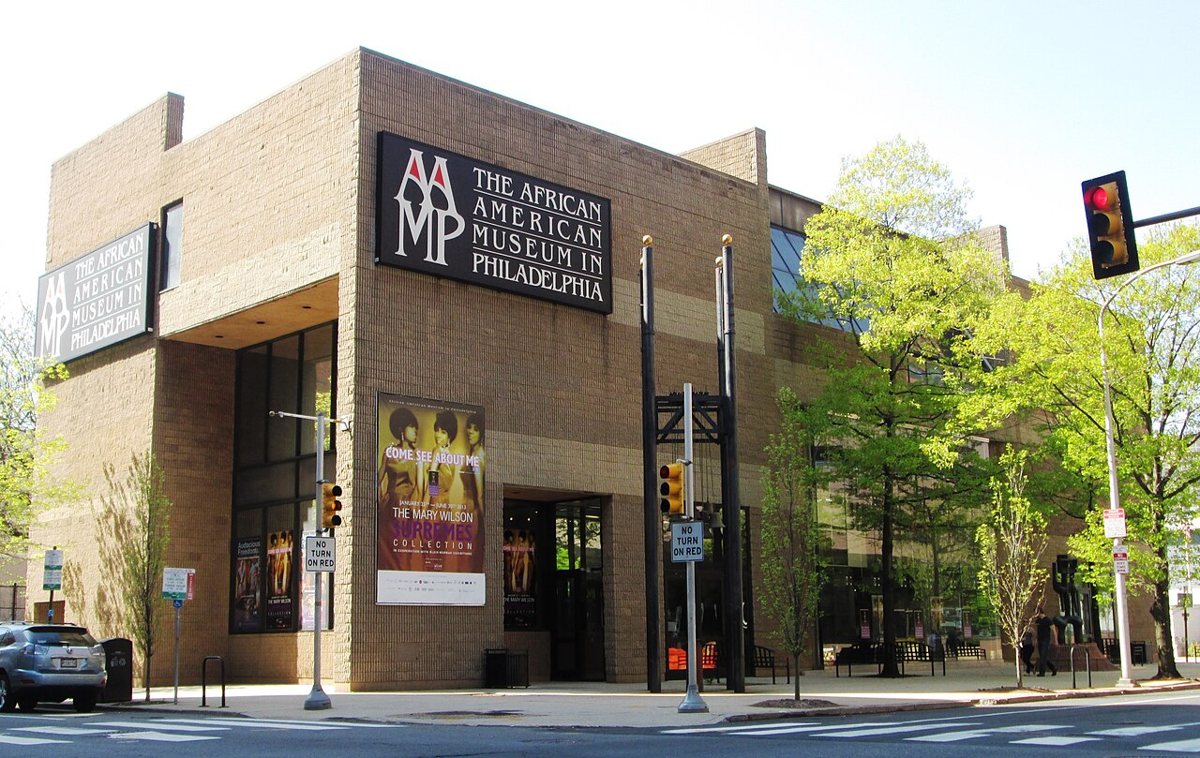
The African American Museum in Philadelphia opened in time for the nation's 1976 Bicentennial as one of the first museums built and funded by a major American city specifically dedicated to African American history and culture. Its collection and rotating exhibitions cover everything from the lives of free and enslaved Black Philadelphians in the colonial era through the civil rights movement and contemporary Black art and culture in the city today. It's a museum that treats Philadelphia's role in that history as central rather than incidental, which matters in a city that loves to talk about its founding-era credentials while glossing over who built and worked in it. Before you go: check what's currently on view, since the temporary exhibitions rotate more frequently here than at some of the larger institutions and often reflect current community programming. It's in Old City, near Independence Mall.

For the Contemporary and the Curious
Not every great museum here is old money and marble. Some of the sharpest curating in the city happens in smaller, newer spaces.
Institute of Contemporary Art (ICA) at Penn
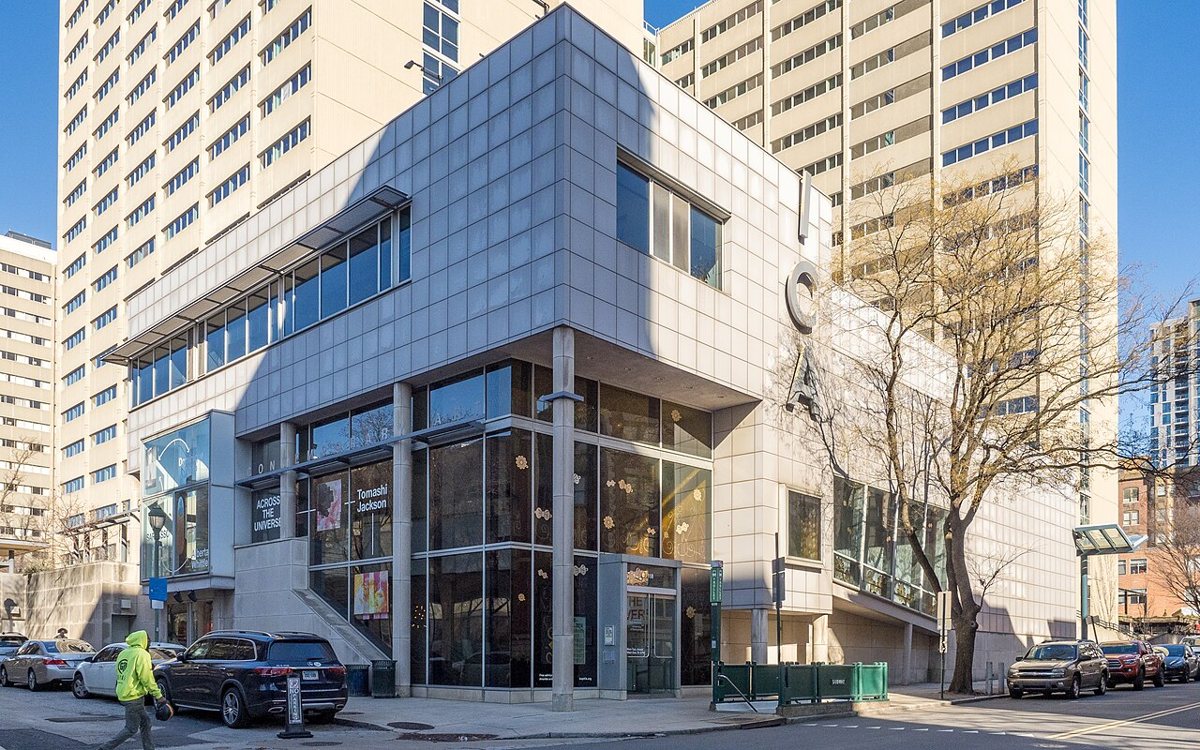
The Institute of Contemporary Art at Penn, known locally as the ICA, doesn't hold a permanent collection, it's a non-collecting museum built entirely around rotating exhibitions of contemporary art, and it has a real claim to art-world significance: it hosted Andy Warhol's first museum retrospective back in 1965, before the wider art establishment had caught up to him. That willingness to show work before it's safe or established is still the museum's identity. Because there's no permanent collection to maintain, admission is always free, and the shows tend to be smaller and more focused than what you'd find at the bigger Parkway institutions. Plan ahead: check what's currently installed before visiting, since a trip built around a specific exhibition works better here than a spontaneous walk-in. It's in University City, on Penn's campus.

Getting Around: The El, SEPTA, and Timing It Right
Philadelphia's museums cluster into a few walkable pockets, and knowing which pocket you're in changes how you should plan the day.
- The Parkway museums, the art museum, the Barnes, the Rodin Museum, the Franklin Institute, and the Academy of Natural Sciences, sit close enough together to walk between on foot, and several SEPTA bus routes and the Phlash tourist loop run the length of the Parkway if your feet give out.
- Penn Museum and the ICA are both in University City, an easy trip via SEPTA Regional Rail to University City Station or the trolley lines that run under Market Street, and worth pairing with a walk through Penn's campus.
- The National Constitution Center, the African American Museum, and Independence Hall are all within a few blocks of each other on or near Independence Mall in Old City, an easy add-on to a Center City day.
- Eastern State Penitentiary and the Please Touch Museum both sit in or near Fairmount Park, close enough to each other and to the art museum to combine into one Fairmount-focused day.
- The Market-Frankford Line, what everyone here just calls the el, gets you into Center City fast from Fishtown or West Philly, but the last stretch to most museums is a walk, bus, or trolley from there, not a direct el stop.
On timing: weekday mornings are calmest almost everywhere except the Franklin Institute during the school year, when field trips flood in before noon. Rainy days push everyone indoors at once, so if the forecast is bad, pick your museum and get there at opening rather than midday. For cost, look specifically for pay-what-you-wish windows, the art museum runs them on select days, and always confirm current hours and pricing directly with each museum before you go, since schedules shift more often than people expect. If you're building a bigger day around a neighborhood, it's worth pairing a museum stop with other things worth doing around the city, and if the weather's decent, several of these museums sit close enough to green space that it's worth folding in the city's parks and open space on the same trip.
The Bottom Line
Nobody needs to hit all twelve of these in one trip, and trying to would be a mistake. Pick a neighborhood, pick two or three museums within walking distance of each other, and leave room to get something to eat between them, because a good museum day here is as much about the walk and the food as the galleries. Skip the Barnes and you've skipped the single strangest and most personal way to see world-class painting in this country. Skip the Mütter or Eastern State and you've skipped the version of Philadelphia history that doesn't get cleaned up for the tourists. This city didn't build these places to impress anyone. It built them because it's stubborn about its own story, in the same way it's stubborn about the Eagles, its neighborhoods, and its opinions on cheesesteaks. Go see them on those terms.