Best Italian Restaurants in Philadelphia, Tried and Tested
Philadelphia's Italian restaurant scene runs deeper than Sunday gravy and checkered tablecloths. Here's how to actually find the good stuff.
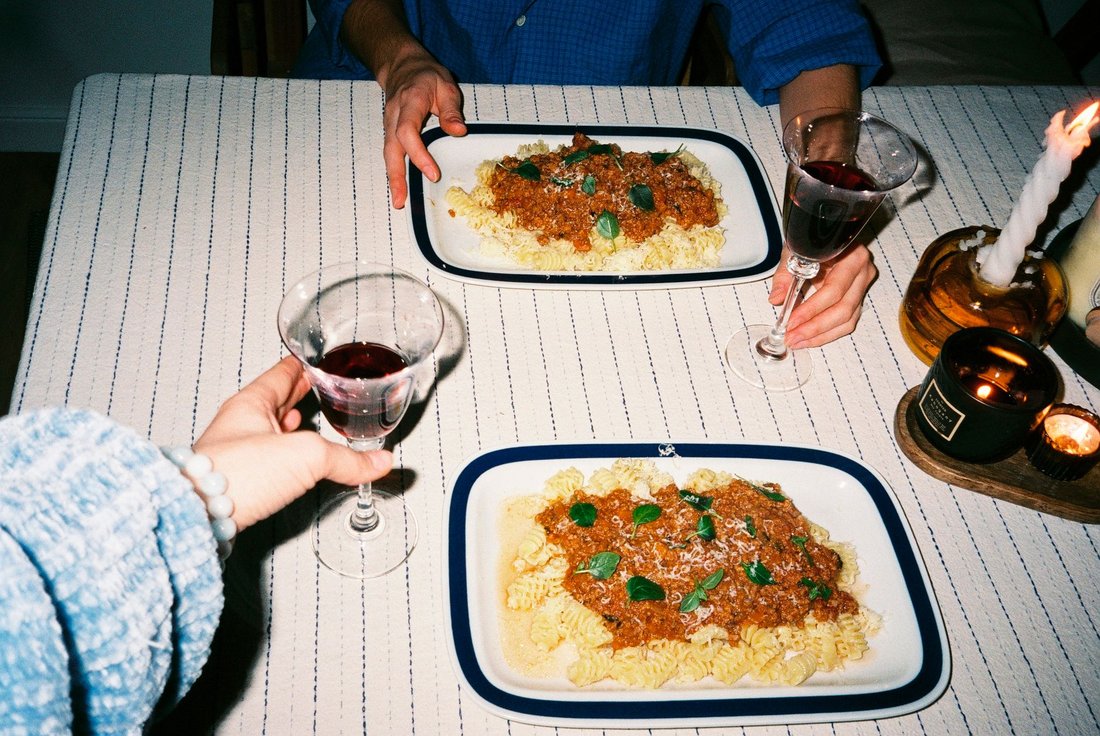
On a Tuesday night in South Philly, the line outside a BYOB spot on a narrow rowhouse block stretches past two parked Subarus and a fire hydrant. Nobody's complaining. People brought wine in paper bags. A couple near the front is sharing a Tupperware of olives they grabbed from the Italian Market on the way. This is what the best Italian restaurants in Philadelphia look like from the outside: unassuming, a little chaotic, usually worth the wait.
What Makes the Best Italian Restaurants in Philadelphia Worth Seeking Out
Philadelphia's relationship with Italian food is old and particular. South Philly's Italian-American community built something real here, with red-gravy traditions, generations of home cooks, and a neighborhood identity that doesn't bend to trends. The Italian Market along 9th Street has been running since the late 1800s. The BYOBs that surround it carry the logic of that community forward: keep the focus on the food, skip the liquor markup, let people bring the Montepulciano they actually like.
But the city's Italian food conversation doesn't stop at Passyunk or Washington Avenue. Over the past decade, a different kind of Italian kitchen has taken root, with smaller operations in Fishtown, spots in Northern Liberties, and a few places in Rittenhouse-adjacent blocks where cooks trained in northern-Italian technique make fresh pasta that has almost nothing in common with Sunday red gravy. Both traditions are serious. They're just serious about different things.
Red Gravy South Philly: How to Read the Room
The South Philly red-gravy BYOB is a specific institution. A few things to know before you walk in. Small rooms are a feature, not a flaw, since twenty seats means the kitchen is cooking to order. A long menu with thirty-plus items sometimes signals frozen product; a shorter menu, typed on a half-sheet and subject to change, is often a better sign. If the bread arrives warm and there's olive oil worth dipping it in, the kitchen is paying attention to the small things. That matters.
What you actually want to order in this tradition: braciole if it's on the menu, because it takes hours to make and nobody does it for show. Pasta e fagioli, thick and almost stew-like, not the watery version. Veal piccata when the kitchen sources well. Anything described as the cook's grandmother's recipe, which sounds like a cliché until you've had it done right, and then it just sounds accurate.
BYOB culture is the engine here. Philadelphia's BYOB restaurant scene is unusual nationally, the product of liquor laws that accidentally made the food better. Without a bar program to subsidize the margins, kitchens have to justify the check. They usually do.
The Newer Wave: Handmade Pasta and Northern Technique
Walk into a certain kind of Italian spot in Fishtown or NoLibs and you're in a different conversation entirely. White walls, natural wine on a short list (these are not always BYOBs), pasta made in-house daily, preparations that owe more to Emilia-Romagna or Piedmont than to the Italian-American South Philly canon. Cacio e pepe, done correctly, with actual technique rather than cream and hope. Tajarin, the egg-yolk-rich Piedmontese cut, tossed with butter and something seasonal. Pasta dishes that clock in at eight or ten ingredients total and depend on every one of them being right.
These kitchens can be inconsistent: smaller crews, ambitious menus, high turnover in tight restaurant labor markets. The best of them are very good. The way to tell: watch whether the pasta has been cooked to actual al dente or whether it arrived soft. Look at the sauce-to-pasta ratio, where sauce should be a complement and not a bath. Notice whether the cheese is grated fresh or came out of a bag.
Neighborhoods to look in: Fishtown's restaurant density has increased enough that you can walk a few blocks and have real options. East Passyunk in South Philly runs both traditions in parallel, with old-school red-gravy institutions alongside newer Italian-inflected spots that opened in the last ten years. Rittenhouse has some of the more expensive options; the price doesn't always mean the pasta is better.
What to Actually Look For
The roast pork Italian sandwich is not, technically, a sit-down restaurant item. But it belongs in any honest account of Italian food in this city. South Philly and the Italian Market area produce the best versions: sharp provolone or broccoli rabe, slow-roasted pork, a long roll. Locals rank it above the cheesesteak, and they're not wrong. Philadelphia's sandwich tradition runs wider than most visitors realize, and the roast pork is the piece they miss.
For sit-down Italian, a few practical filters. Tablecloths are not a quality signal in either direction. Fresh pasta on the menu is worth noting but means nothing if it's cooked badly. A kitchen that does one or two things exceptionally is often more interesting than one that does twelve things adequately. If the waiter doesn't know where the pasta is made, that's information.
- Ask whether pasta is made in-house, and how often. Daily is the answer you want.
- In a red-gravy BYOB, arrive early or call ahead, because these rooms fill fast on weekends and many don't take reservations.
- Bring a wine you actually want to drink. A slight chill on a medium-bodied red is not a mistake with this food.
- The bread basket at the start of the meal is a small test. Pay attention to it.
- If the menu has a category labeled "gravy," you are in South Philly and you should order from it without overthinking.
The Actual Takeaway
Italian food in Philadelphia is not one thing. It's a decades-long South Philly institution that still functions exactly as it was designed to, and it's a newer generation of cooks doing regional Italian technique in small rooms across the city. Both are worth your time. Neither needs you to show up having already decided what you think Italian food is. The city's version is specific to here: shaped by immigration history, liquor law quirks, rowhouse geography, and a local preference for substance over performance. Walk in without expectations and the food will tell you what it is.