Best Things to Do in Philadelphia Locals Recommend
A West Philly food-and-culture writer's honest, neighborhood-by-neighborhood map of the landmarks, museums, parks, and food that actually earn a visitor's time here.
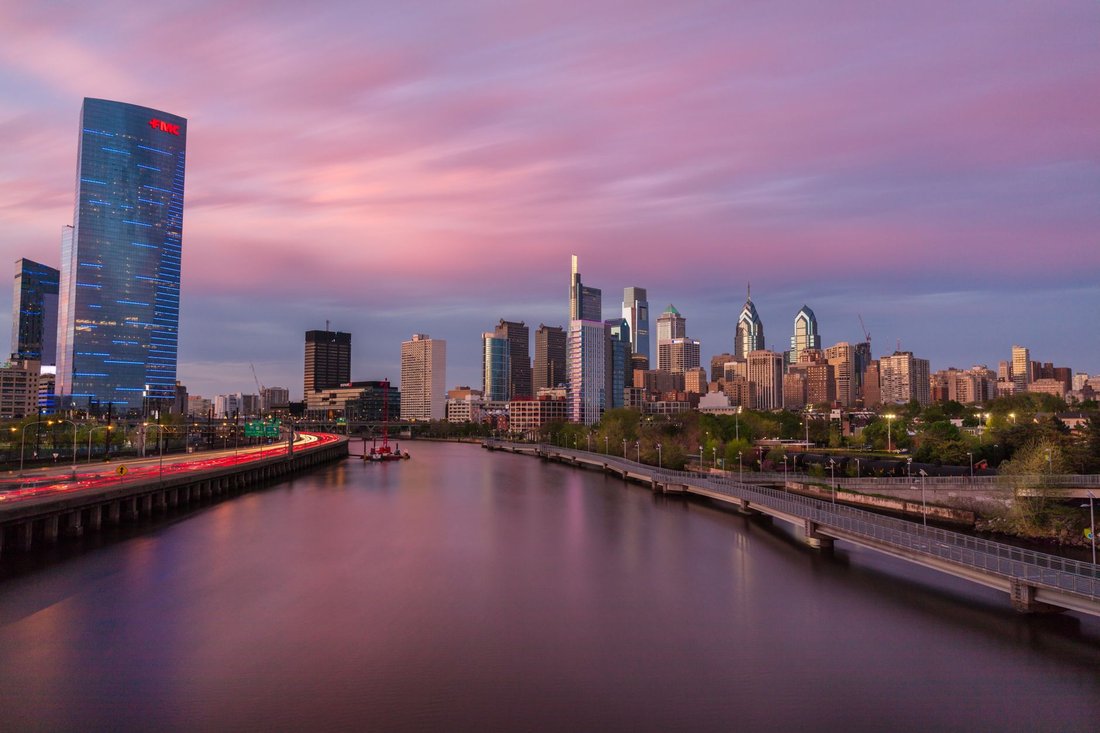
By eight on a Saturday, the vendors along Ninth Street are already stacking clementines into pyramids and a guy in a well-worn Sixers hoodie is hollering that today's swordfish just came in, not yesterday's, today's. This is the Italian Market before the tour groups show up, before anyone photographs a fish head for social media, and it's the version of Philadelphia most guidebooks skip on their way to Independence Hall.
That's the trouble with a lot of lists claiming to cover the best things to do in Philadelphia: they treat the city like one afternoon squeezed between the airport and 30th Street Station, three landmarks and a cheesesteak, done. Philadelphia doesn't work that way. It's built from neighborhoods that guard their own identity like it's owed to them: Fishtown isn't South Philly, Manayunk isn't Chestnut Hill, and nobody here appreciates being told otherwise. What follows is the real spread, area by area: the landmarks that earn the crowds, the museums worth the wait, the parks locals actually use on an ordinary Tuesday, and the food that explains why people here take all of it so personally.
Old City Comes First, Whether the Guidebooks Admit It or Not
Independence Hall and the Blocks Around It
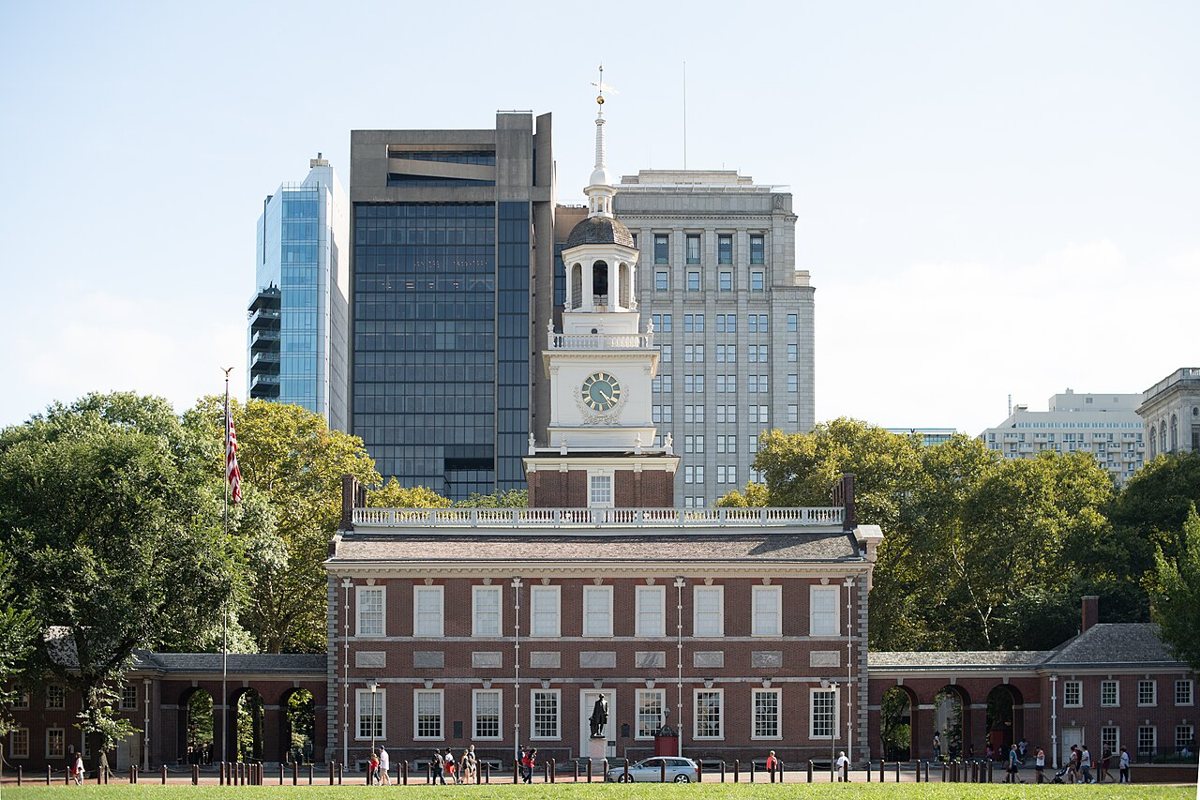
Independence Hall sits at the center of Independence National Historical Park, and it's the actual building where the Declaration of Independence and the Constitution were debated and signed, not a replica or a stage set. Walk the surrounding blocks and you get Congress Hall, the Second Bank, and the Liberty Bell Center a short stroll away. The bell itself is smaller and more scarred than photos suggest, which is part of why it holds up. The move locals actually give out-of-town family is to go early on a weekday morning before the tour buses arrive; the plaza reads completely differently at nine than it does at one. All of it sits in Old City, walkable from most of Center City, and the surrounding grid of colonial storefronts, taverns, and print shops rewards an unhurried loop long after you've seen the headline buildings.

Elfreth's Alley
A few blocks north, Elfreth's Alley is the oldest continuously inhabited residential street in the country, a narrow cobblestone run of Colonial and Federal rowhouses that are still, notably, lived in. People pay property taxes on these houses. Walk it slowly, read the small museum's signage if it's open, and resist the urge to peer into windows; this is a real street with real neighbors, not a diorama. It takes ten minutes to see properly, and it's one of the few places in the city where you can stand in a single frame and take in a few centuries of Philadelphia housing stock at once.
The Parkway Is Where the Best Things to Do in Philadelphia List Gets Serious
Philadelphia Museum of Art
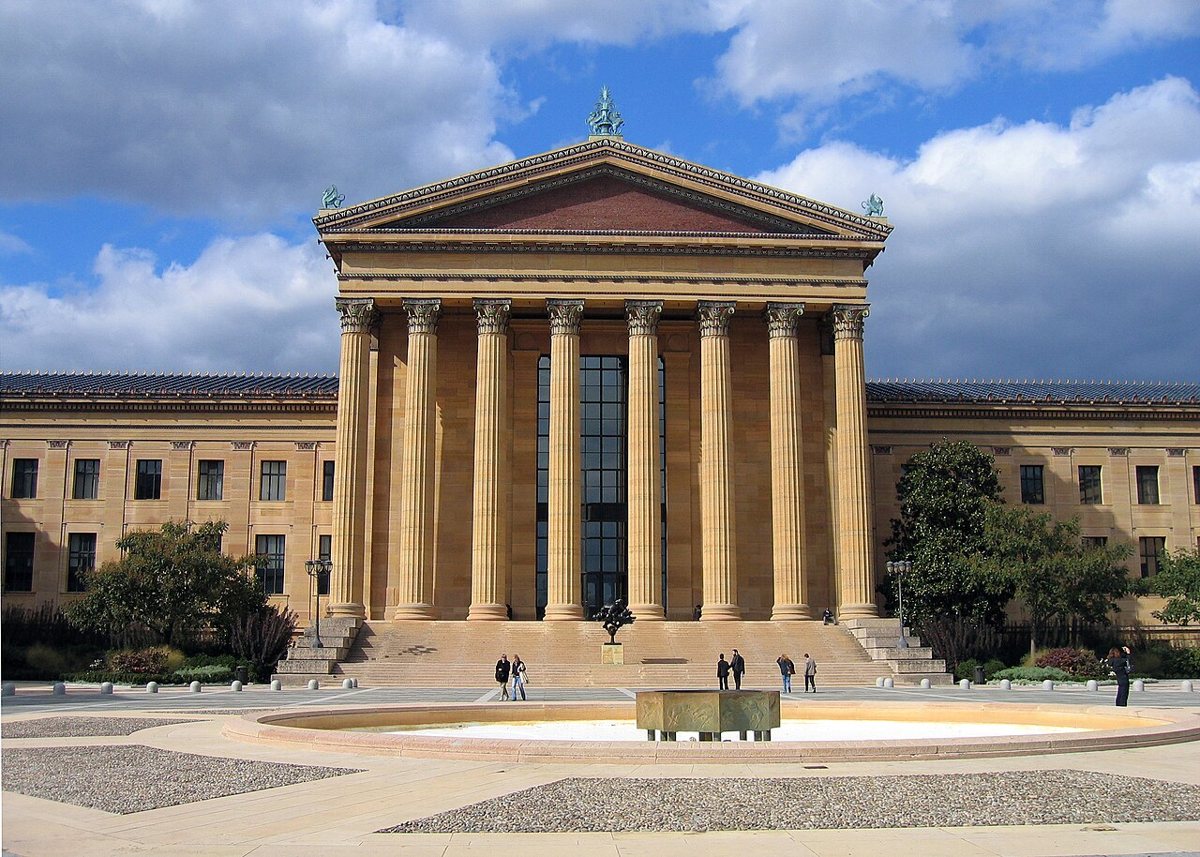
Yes, people run the steps. The Rocky routine is not why the museum belongs on this list. Inside is one of the country's great encyclopedic collections, strong on Impressionism, arms and armor, and a full-scale Japanese teahouse and temple gate that stop most first-time visitors cold. Give it real time, at least half a day if you actually want to see the Duchamp room and not just speed past it. The steps themselves are worth the five minutes it takes to jog up, mostly for the view back down the Benjamin Franklin Parkway toward City Hall, a legitimately great sightline whether or not a movie ever used it.

The Barnes Foundation
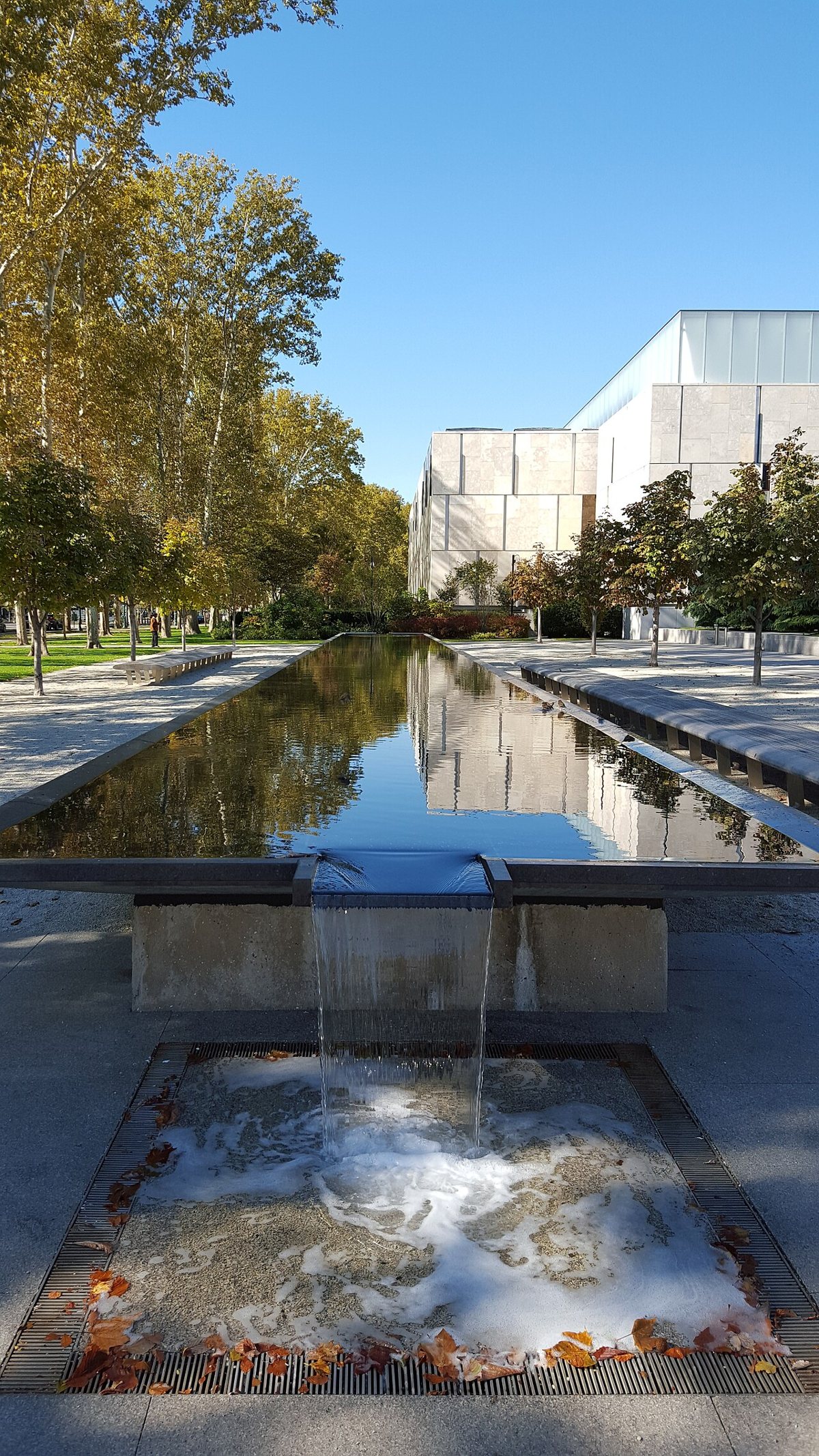
The Barnes is a different animal entirely, and locals will tell you, often unprompted, that it might be the better museum. Albert Barnes hung his Renoirs, Cézannes, and Matisses in dense, idiosyncratic groupings mixed in with ironwork and furniture, arranged by his own private logic rather than chronology or school. The collection left its original Merion mansion for the Parkway years ago, a relocation that still generates arguments at dinner parties, but the installation itself was preserved exactly as Barnes left it. Go slow here. The Barnes is not a museum built for a quick lap, and half the pleasure is working out why Barnes hung a door hinge next to a Cézanne in the first place.

The Franklin Institute
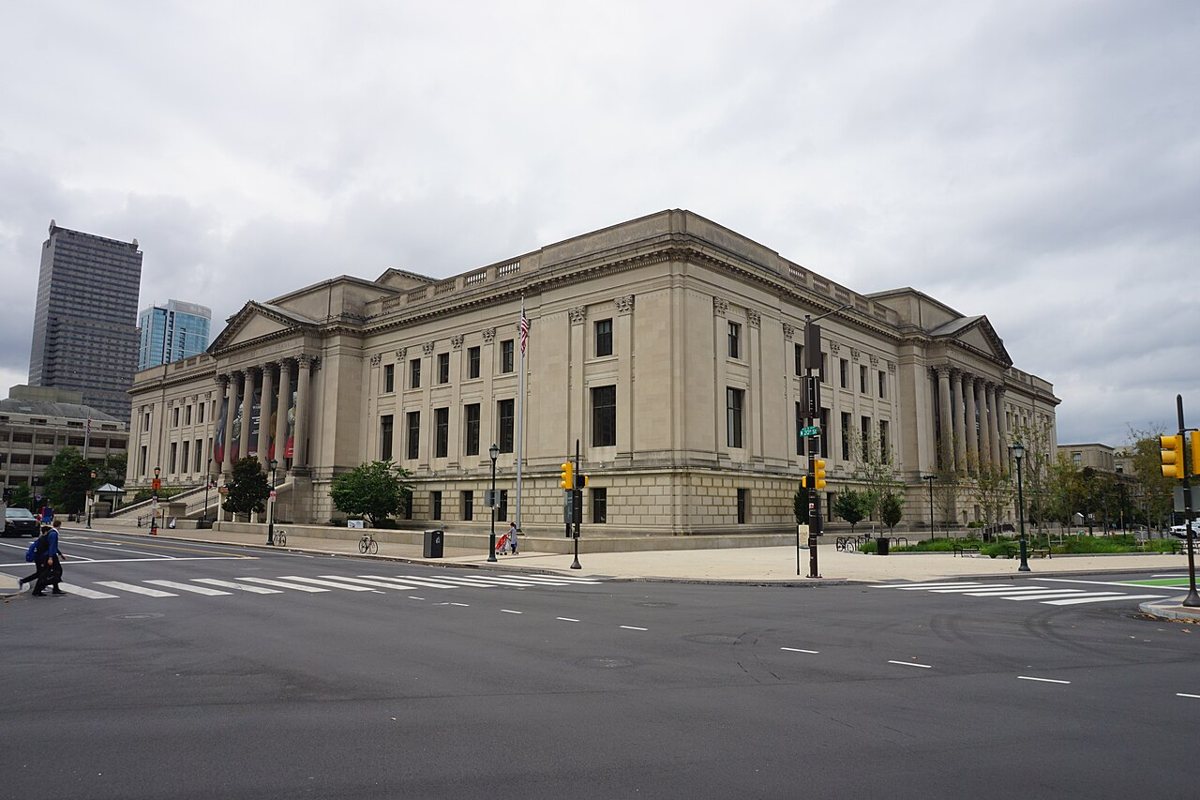
Ostensibly a kids' science museum, the Franklin Institute is genuinely worth an adult visit for the giant walk-through heart alone, a Philadelphia childhood rite of passage since long before anyone reading this was born. The permanent exhibits cover flight and space, plus a full run of human-body science that holds up, and the planetarium is a solid way to spend forty minutes out of the sun in July. It sits right on the Parkway alongside the Rodin Museum and the Academy of Natural Sciences, so one day here can cover several stops without moving the car.

Fairmount and the Woods Behind It
Eastern State Penitentiary
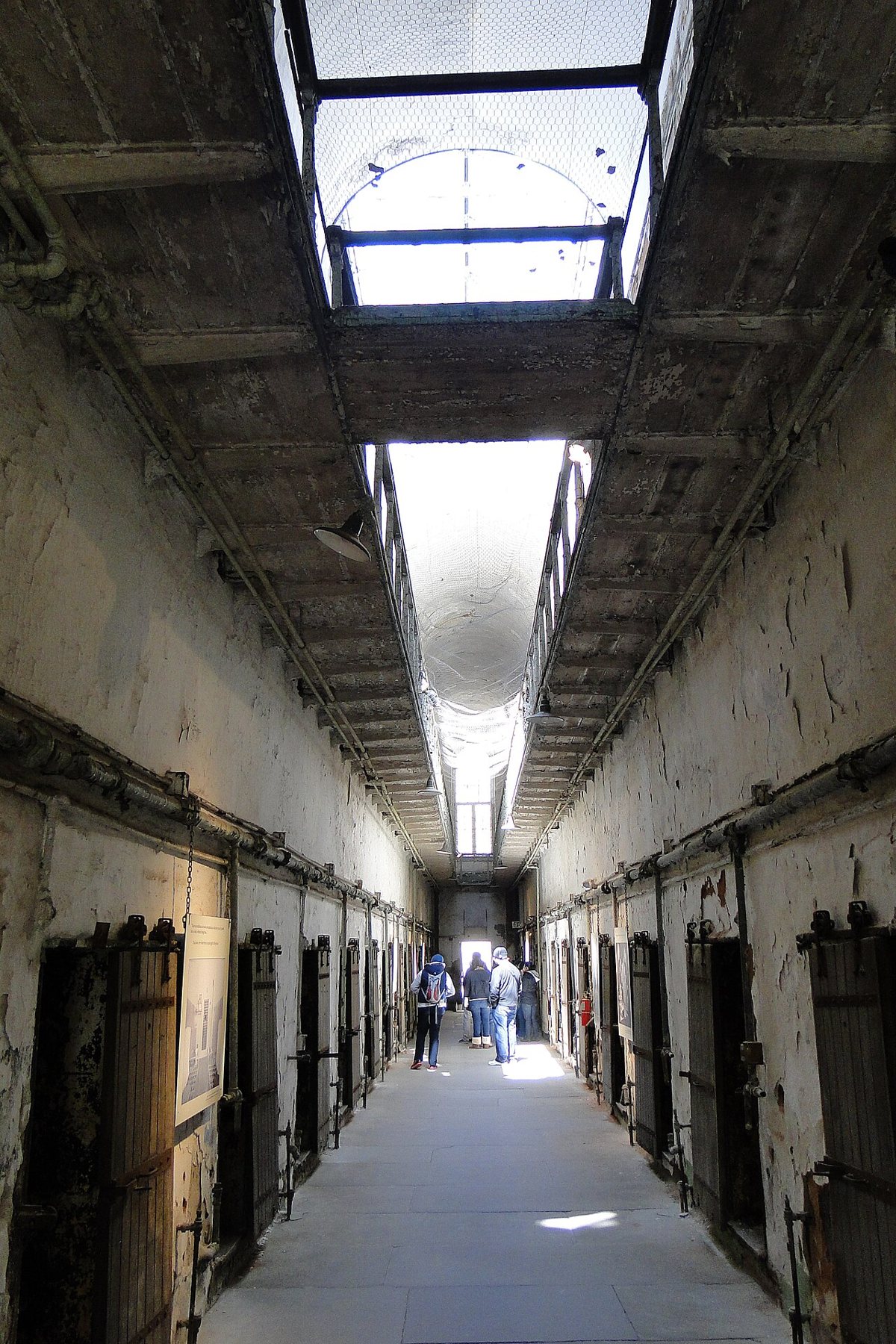
Eastern State opened in 1829 as the first true penitentiary in the world, built on the idea that isolation and reflection would reform prisoners better than punishment did. It didn't work out that way, and the crumbling cellblocks, rusted gun turrets, and Al Capone's oddly comfortable former cell make that history impossible to ignore. The self-guided audio tour is genuinely good, narrated in part by people who worked or were incarcerated there. It sits just above the art museum in the Fairmount neighborhood, close enough to walk from the Parkway museums in twenty minutes.

Fairmount Park and the Wissahickon
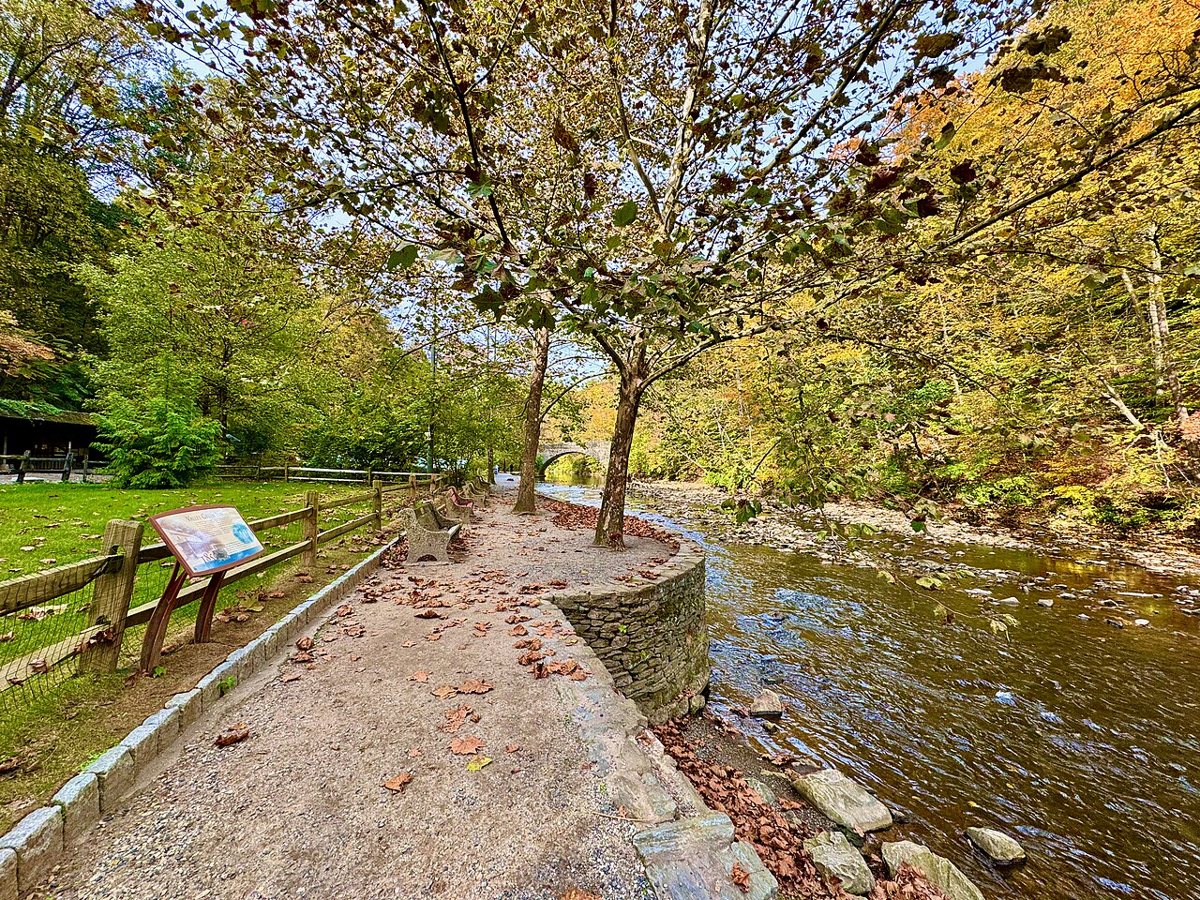
Fairmount Park is enormous, one of the largest municipal park systems of its kind in the country, and it stretches from the art museum all the way up through the Wissahickon Valley, where the city stops feeling like a city at all. Wissahickon Valley Park has miles of wooded trails along Wissahickon Creek and Forbidden Drive, a car-free gravel road that runs for miles along the water and gets used hard by runners, cyclists, and dog walkers on any decent weekend. Boathouse Row, visible from Kelly Drive at night with its outline lit up in small bulbs, is the postcard version of this whole stretch, but the real payoff is getting off the drive and into the actual woods.

Center City's Square and Its Market
Rittenhouse Square
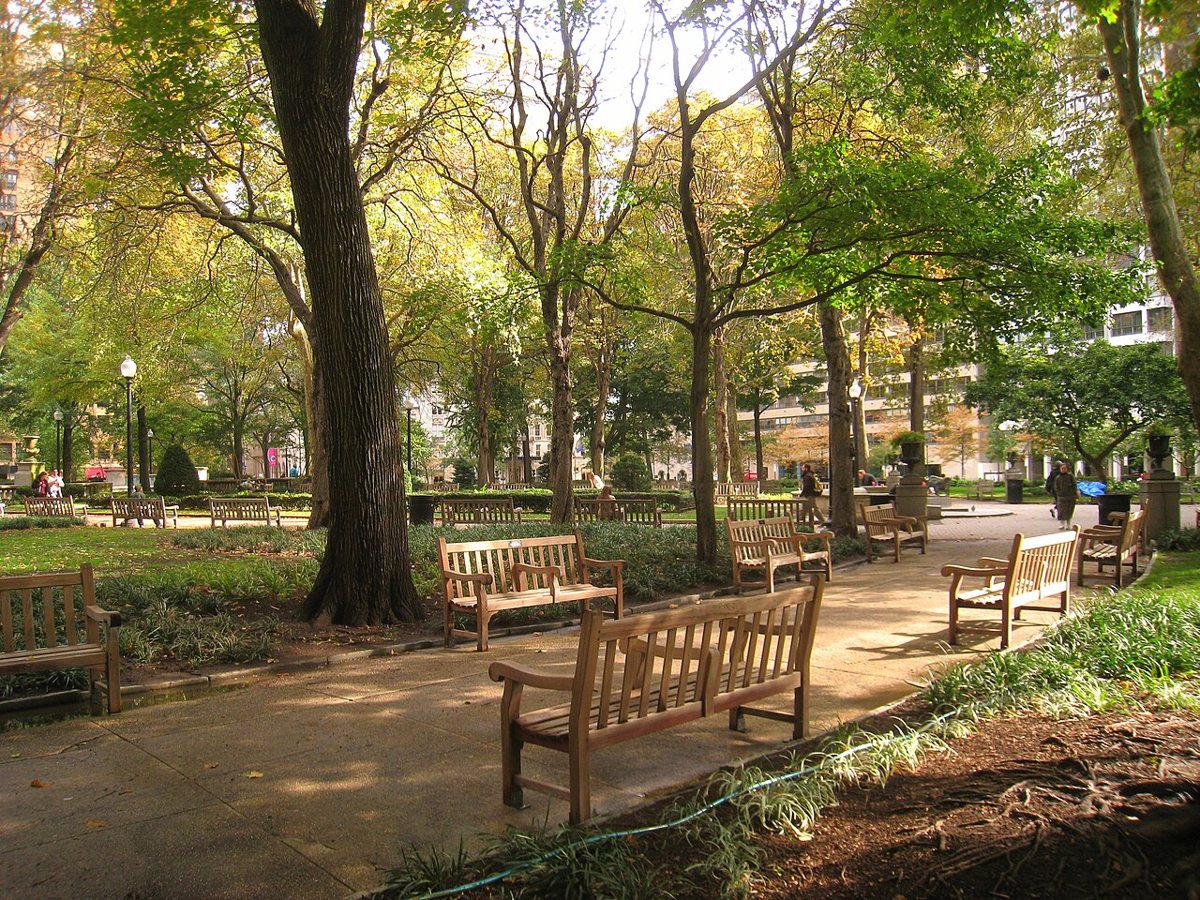
Rittenhouse is the park Philadelphians actually use, not just photograph. On a warm afternoon it's full of dogs, chess players, people reading on the grass, and food trucks parked along the perimeter streets. The square anchors one of the city's most walkable pockets, with restaurants, boutiques, and some of Center City's better people-watching within a few blocks in every direction. It's a fine place to sit for twenty minutes with a soft pretzel and just watch the city move, which counts as a legitimate way to spend part of a Philadelphia afternoon.

Reading Terminal Market
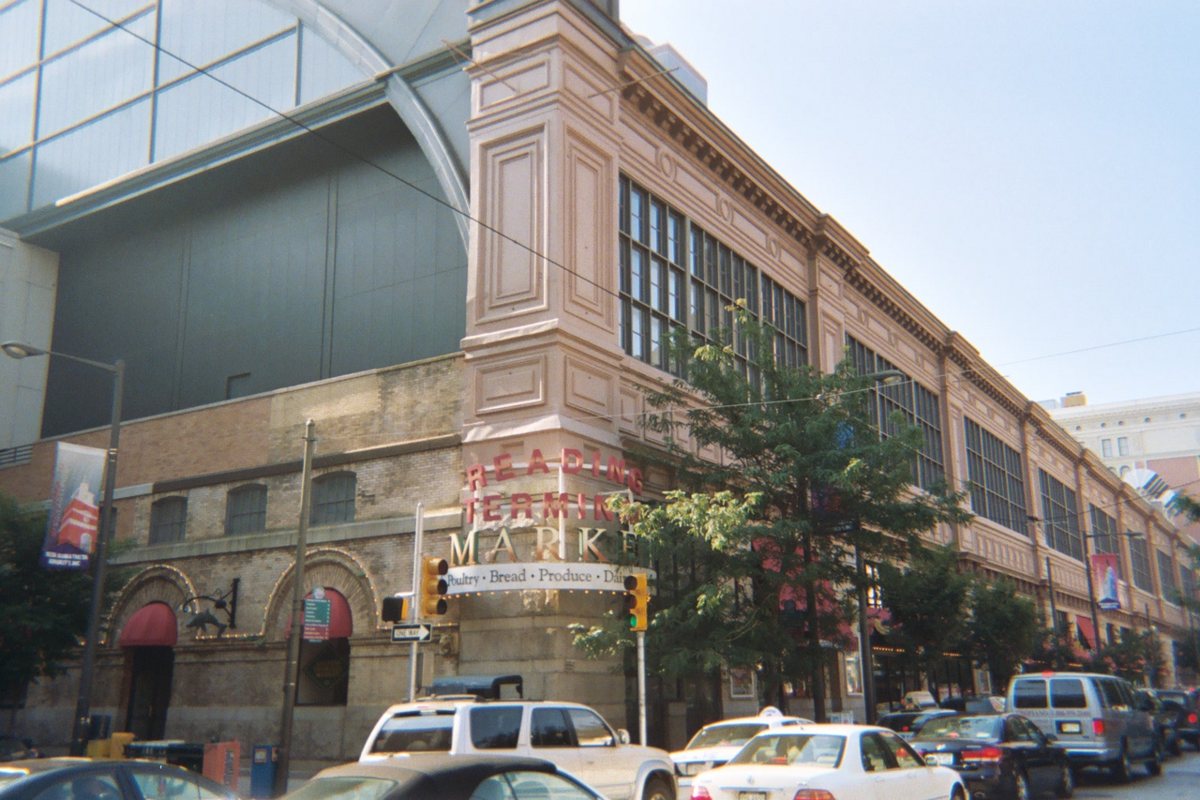
Reading Terminal Market has operated continuously since the 1890s inside a former train shed, and it remains the best single argument for why Philadelphia's food reputation is earned rather than inherited. Amish vendors sell alongside Vietnamese stalls, and old-school Jewish delis sit near Pennsylvania Dutch bakers. A roast pork Italian from one of the market's counters has a real claim to being better than most of the city's cheesesteaks, an opinion that will start fights but is defensible. Come hungry, come with cash for the smaller stands, and walk the whole floor before you commit, because whatever jawn you're craving, somebody in this building sells it.

The Neighborhoods Locals Actually Send Visitors To
South Philly and the Italian Market
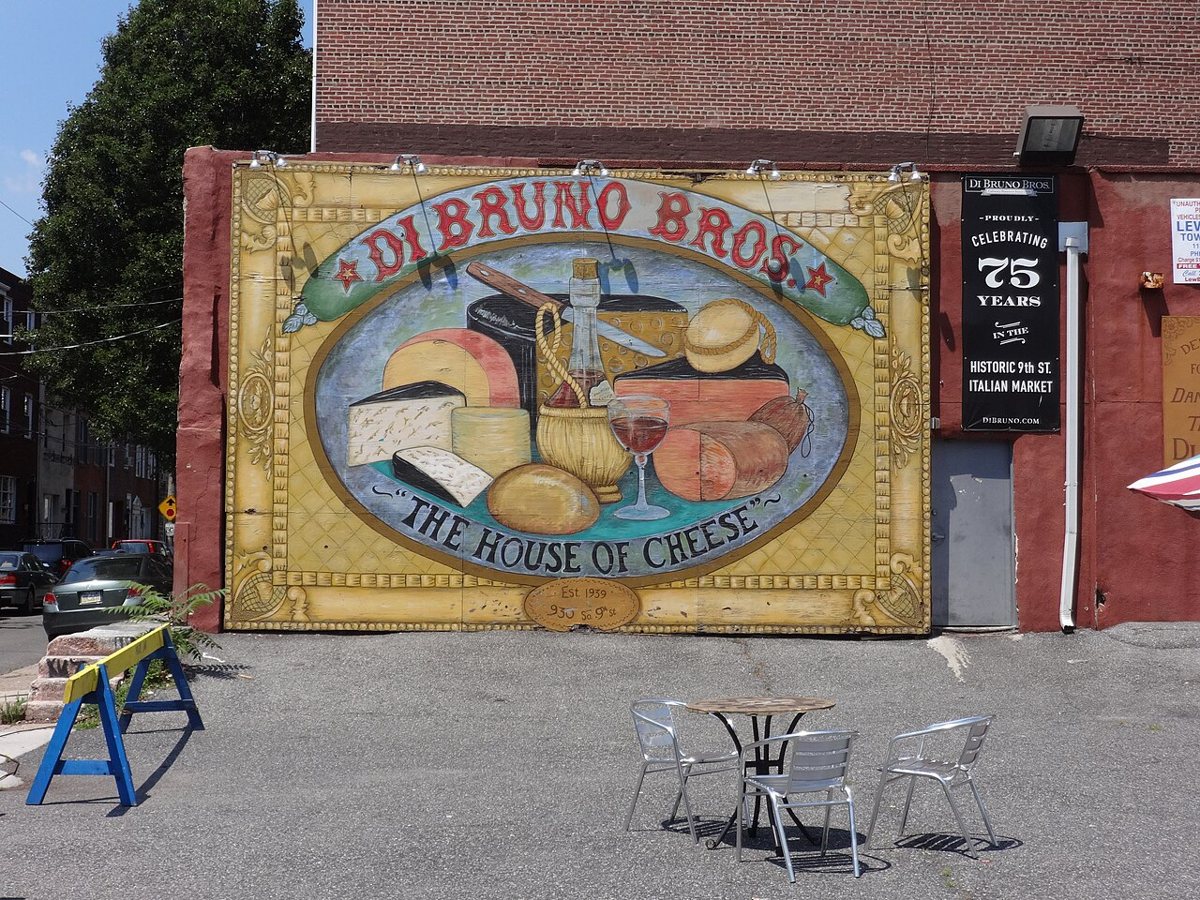
South Philly is Italian-American and Vietnamese in roughly equal measure now, and the Italian Market on 9th Street reflects both: cheese shops and salumerias that have run for generations sit next to pho spots and Vietnamese bakeries that moved in over the past few decades and never left. It's a working market, not a re-creation of one, and the best way to see it is on foot on a weekend morning when the sidewalk vendors are out in force. For everything else the neighborhood does well, spanning red-gravy institutions and newer BYOBs, South Philly rewards a slower, hungrier visit than most itineraries allow.

Fishtown
Fishtown was a working-class rivertown for most of its history and now runs a strong current of breweries and galleries, plus a live-music scene it never actually lost, which is exactly why longtime residents still argue about how much has changed. Frankford Avenue is the spine, lined with bars and coffee shops, with a handful of the city's better newer restaurants mixed in, and it connects easily to Fishtown's music venues and the Delaware riverfront. It's a good neighborhood to wander for an evening rather than plan block by block, and Fishtown's restaurant scene alone justifies the trip out from Center City. The blocks off Frankford hold record stores, coffee roasters, and beer halls in old industrial buildings, and the neighborhood turns over fast enough that the spot everyone raved about last year may already have a line out a different door.
Northern Liberties and the Neighborhoods North of Old City
Northern Liberties, which everyone just calls NoLibs, sits between Fishtown and Old City and has cycled through more than one identity in the last few decades, from industrial warehouses to loft conversions to the current run of breweries and bars, with newer restaurants filling in the gaps. Liberties Walk and the blocks around 2nd and 3rd Streets are the easiest place to start an evening, with enough variety that a group with different tastes can still land at the same table. It doesn't carry the singular landmark weight of Old City next door, and it doesn't try to. Northern Liberties is a neighborhood built for an evening out rather than a checklist stop, and locals treat it that way, drifting between a brewery patio and a late dinner without a plan.
Manayunk and Chestnut Hill
These two get mentioned together and shouldn't be confused. Manayunk's Main Street runs along the Schuylkill with a steep hill of rowhouses behind it, a strip of bars and restaurants that gets loud on weekend nights and turns genuinely pleasant for a daytime walk along the canal towpath by the river. Chestnut Hill, up at the top of Northwest Philadelphia, is the quieter, leafier opposite: Germantown Avenue's Belgian block streets, independent shops, and the sprawling grounds of the Morris Arboretum give it a small-town feel that surprises people who assume the whole city looks like Center City. Both are a real trip from downtown, worth a half day each rather than a rushed drive-through.
Germantown
Germantown, in Northwest Philadelphia, gets skipped by visitors who don't realize some of the oldest surviving buildings in the country sit quietly along Germantown Avenue. It was a separate town for most of its history, founded by German and Dutch settlers in the late 1600s, and it saw real Revolutionary War fighting: the Battle of Germantown was fought through these streets in 1777, with some of the bloodiest fighting of that day happening at Cliveden, the stone mansion still standing on Germantown Avenue. Several of the area's Colonial-era houses, including Cliveden and Wyck, are open for tours on a limited schedule, and even a walk down the avenue past its old cobblestone sections gives a sense of a Philadelphia that predates the city's more famous downtown landmarks by decades.
The Mural Arts Program
Philadelphia has more outdoor murals than any other American city, the product of a program that started in 1984 as a graffiti abatement effort and grew into the largest public art program in the country. Thousands of large-scale murals cover building sides across Center City, South Philly, and beyond, ranging from portraits of local figures to abstract compositions that span entire block faces. Guided walking tours exist, but plenty of locals just build their own route off a mural map before heading out, which turns an ordinary walk through almost any part of the city into something worth slowing down for.
Sports Are Not a Side Note Here
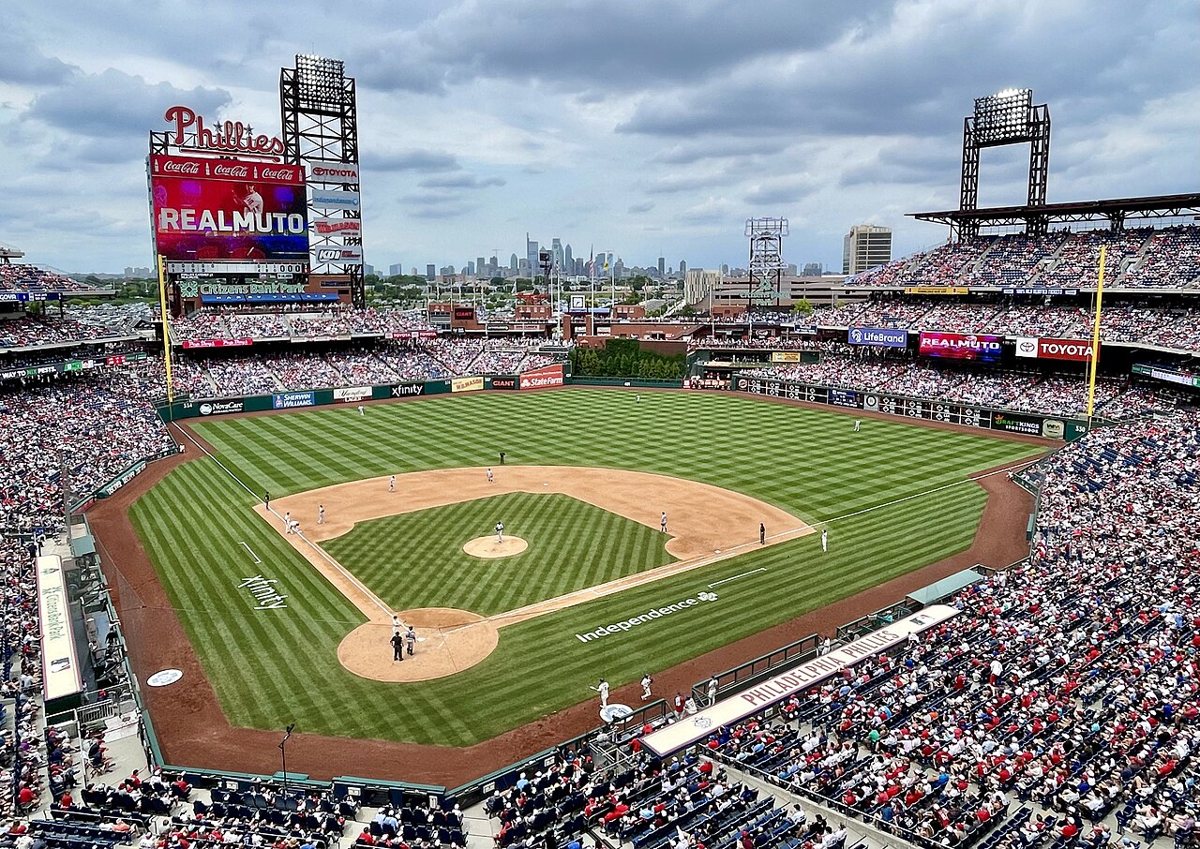
Skipping the sports culture on a list like this would be dishonest. The South Philadelphia Sports Complex, anchored by Citizens Bank Park alongside the football and hockey venues, is one dense district reachable straight down the Broad Street Line. Catching a Phillies game there in the summer, crab fries in hand, is one of the great unpretentious pleasures of a Philadelphia summer, win or lose. The Eagles operate on a different level entirely here, closer to a civic religion than a hobby, and visiting during football season without acknowledging that would be a mistake. Even without tickets, the energy around the stadiums on a game day is worth experiencing from the outside.

Matching the Day to Who's With You
Families do well concentrating on the Parkway museums, the Franklin Institute especially, plus a Phillies game and the open lawns of Fairmount Park. The Please Touch Museum, housed inside Memorial Hall in West Fairmount Park, extends that stretch nicely for younger kids without leaving the same corridor. Couples tend to gravitate toward Rittenhouse Square, a slow evening walk through Old City once the crowds thin out, and dinner in Fishtown or Northern Liberties. First-time visitors with only a single day should resist trying to do all of it: pick Old City and the Parkway museums, eat at Reading Terminal Market in between, and save the neighborhoods for a return trip. This city rewards people who come back more than people who try to finish it in one pass.
Getting Around, Timing It Right, and What Won't Cost You Anything
Center City, Old City, Fishtown, and Rittenhouse are walkable enough that a car becomes a liability more than a help; street parking is tight and garages add up fast. SEPTA covers the rest. The Market-Frankford Line, which locals still call the el no matter what the transit agency renames it, runs from Old City out through Fishtown and West Philly, and the Broad Street Line handles the stadium district and North Philly. Regional Rail reaches Manayunk and Chestnut Hill directly, which beats driving up and hunting for parking on a Saturday night. Philadelphia International Airport connects to 30th Street Station by Regional Rail in about half an hour, and Amtrak service to New York and Washington leaves from that same station, walkable from University City.
Spring and fall are the most comfortable stretches for walking neighborhoods and parks. Summer in Center City gets genuinely hot and humid, and winter here is real winter, so plan indoor time accordingly. Weekday mornings beat weekend afternoons at the major museums and at Independence Hall if a quieter visit matters more than convenience.
Plenty of this costs nothing at all:
- Walking the Italian Market, Elfreth's Alley, Rittenhouse Square, and most of Fairmount Park and the Wissahickon
- The grounds of Independence National Historical Park, even when specific buildings require tickets
- Self-guided mural spotting anywhere in the city
- Boathouse Row lit up at night, viewed free from Kelly Drive or the art museum steps
- The towpath in Manayunk and the Belgian block sidewalks of Chestnut Hill and Germantown
A city this old rewards people willing to just walk it.
The Real Answer
Ask five Philadelphians for the best things to do in Philadelphia and you'll get five different lists and at least one argument about Whiz versus provolone before anyone finishes talking. That's the honest state of things. Independence Hall and the art museum earn their reputations, and so does the market under the old train shed, but the city's actual character lives in the neighborhoods around them: a market stall on 9th Street, a bar on Frankford Avenue, a bench in Rittenhouse Square on a Tuesday nobody bothered to photograph. Don't try to check every box on one trip. Pick a neighborhood, walk it slowly, eat more than you planned to, and let the rest of the list wait for next time.