Best Day Trips From Philadelphia for 2026
From river-town art colonies to Amish farmland to the Jersey Shore's quieter corners, here are the day trips Philadelphians actually take, organized by direction and how much time you've got.
By 6:45 on a Saturday morning in June, the westbound lanes of the Schuylkill Expressway are already thick with cars hauling kayaks, coolers, and a toddler still in pajamas, and every one of them is chasing the same idea: get out of the city for a few hours and come back different. This guide rounds up the best day trips from Philadelphia for 2026, sorted by direction and mood, because what gets you out of bed in February is not what gets you out of bed in August. Philadelphians take day trips seriously, maybe because we know exactly how good it feels to trade the rowhouses for a river town, a beach, or a stretch of farmland, and still be home before the Eagles kick off.
What follows isn't a ranked countdown. It's a map of directions out of the city, grouped by what kind of day you're actually after, with real drive times and no invented events or hours.
Why These Are the Best Day Trips From Philadelphia in 2026
Every place on this list is real, well known, and reachable within a few hours of Center City by car or train. None of it requires an overnight bag. Some of these towns get overrun in July, so if you can go on a weekday, do it. And on the days you'd rather not fight for a seat on the El or sit in traffic on the Atlantic City Expressway, remember that the city's own parks can deliver a surprising amount of the same relief, no bridge toll required.
North on the River: New Hope, Lambertville, and Princeton
New Hope, Pennsylvania and Lambertville, New Jersey
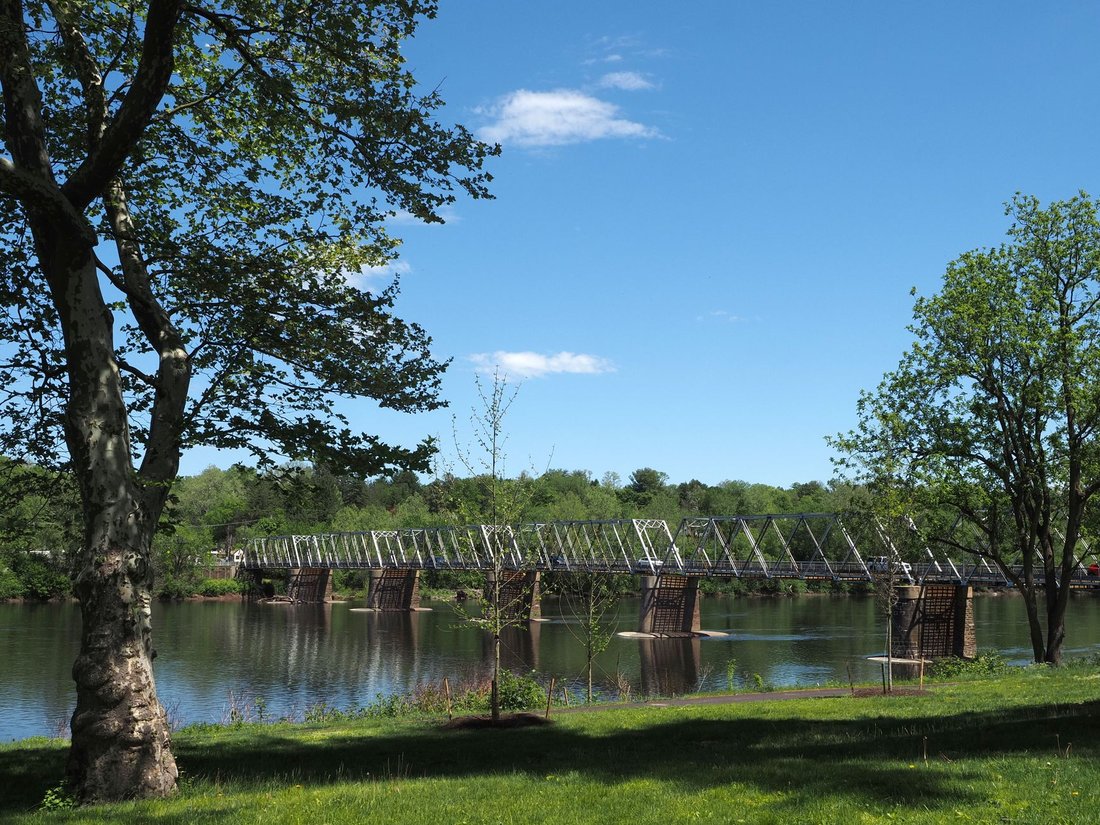
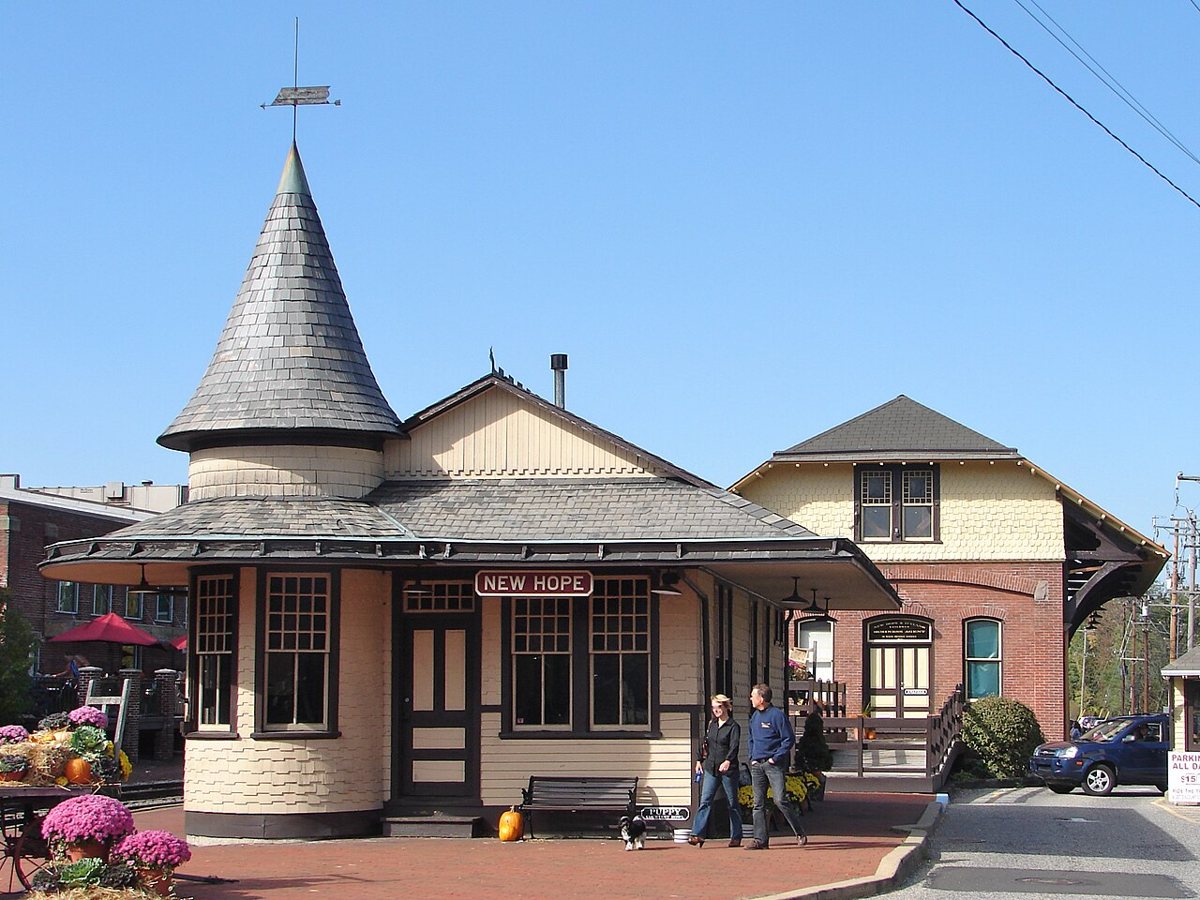
New Hope and Lambertville sit across the Delaware River from each other, connected by a narrow iron bridge that you can walk in about four minutes and that saves you the trouble of choosing a favorite state. New Hope, on the Pennsylvania side, has spent more than a century as an art colony, and it still has the galleries, restored canal-era buildings, and antique shops to prove it. The Delaware Canal towpath runs right through town, flat and shaded, good for a walk or a bike ride that costs nothing. The New Hope and Ivyland Railroad still runs excursion trips out of a restored station here, a nice option if you have kids who've never ridden a real train. Lambertville, across the bridge in New Jersey, is quieter and less souvenir-heavy, with its own strip of antique dealers and a genuinely good restaurant scene that doesn't lean on the tourist crowd the way some of New Hope's spots do. Locals split the difference: park in New Hope, walk the bridge, eat dinner in Lambertville. Bucks County stretches out around both towns, and if you have the whole day, the back roads north toward Erwinna and Frenchtown are some of the prettiest driving within an hour of the city, rolling farmland and stone farmhouses that make it hard to believe you just left South Philly. Figure on a little over an hour each way from Center City, longer if the Route 202 corridor is doing what it always does on a Saturday.

Princeton, New Jersey
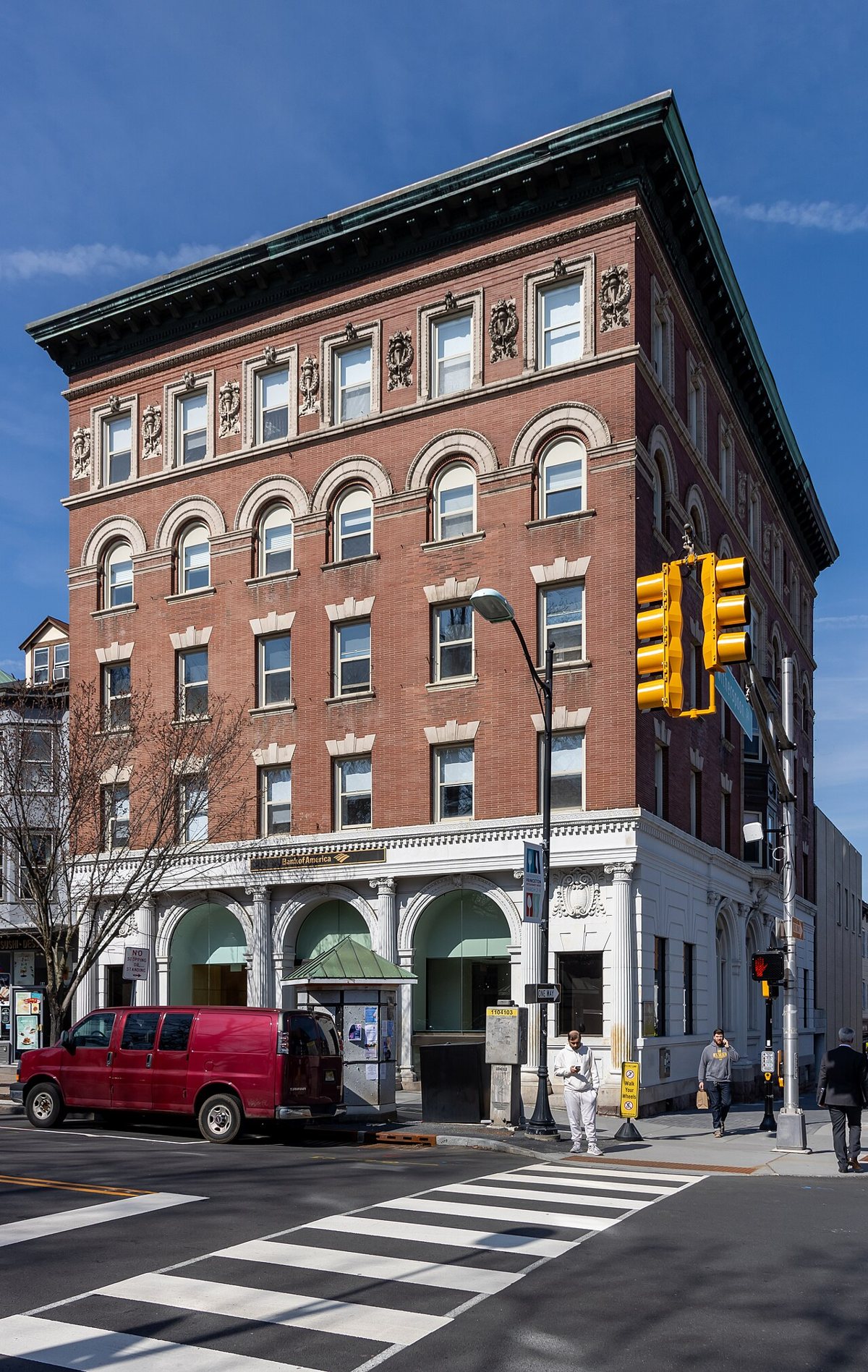
Princeton doesn't get talked about as a Philadelphia day trip nearly as often as it should, maybe because it belongs just as much to New York's orbit. That's a mistake. The university campus is genuinely one of the best places in the region for an aimless walk, all Gothic stone and quiet courtyards, and Nassau Street right at its edge has the bookstores and coffee shops to fill out an afternoon. Princeton Battlefield State Park sits a short drive from campus, a rolling field where Washington's army won a real and important fight in the winter of 1776 to 1777, and it's the kind of Revolutionary War site that doesn't get the crowds Valley Forge does. The Institute for Advanced Study, where Einstein worked for two decades, has public woodland trails behind it that almost nobody uses. Park on a side street rather than paying for a campus garage, and you'll save yourself both money and the hassle of navigating one-way streets built for a much smaller town. It's a little over an hour from Philadelphia by car, and a workable train trip too, via Trenton.

West Toward the Gardens and Estates
Longwood Gardens
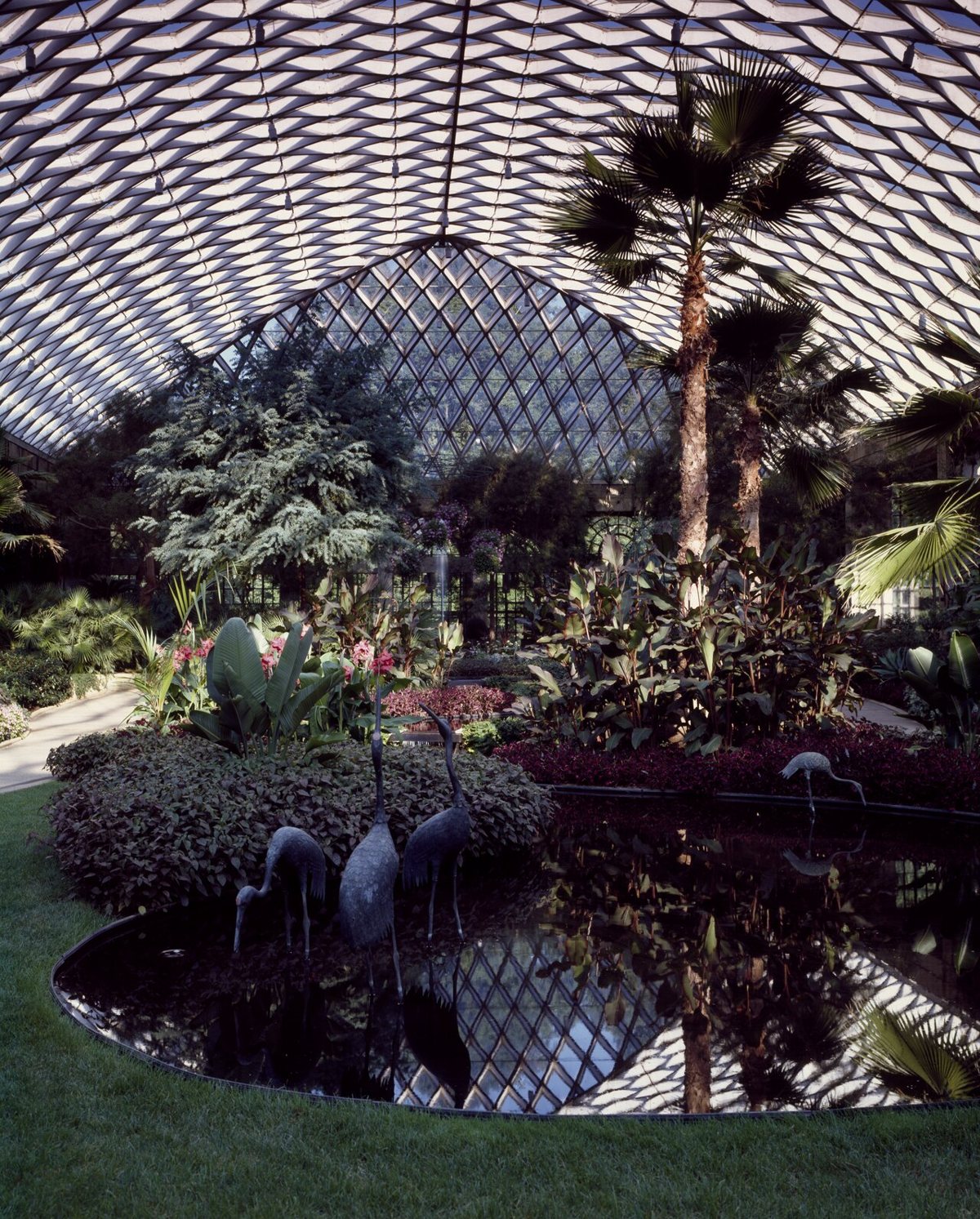
Longwood Gardens, outside Kennett Square, is the du Pont family estate that keeps giving even though Pierre du Pont has been gone for generations. The conservatory alone is worth the drive, a glass building full of orchids and topiary that makes February feel like a lie. Outside, the fountains are the real draw for a lot of people, especially the choreographed shows that run in warmer months, but the quieter gardens around them reward slow walking any time of year, from spring bulbs to fall foliage to the holiday lights display that has become its own regional tradition. Kennett Square itself calls itself the mushroom capital of the world, and the claim isn't hype, it's an actual agricultural industry that's been based there for more than a century, so a meal in town before or after the gardens is worth building into the day. The move that regulars swear by is arriving right when the gates open, before the tour buses find parking, especially on a weekend in peak bloom season. It's about forty-five minutes from Center City by car via Route 1, one of the more reliable easy exits from the city because it avoids the worst of the expressway.
Brandywine Valley and the Brandywine River Museum
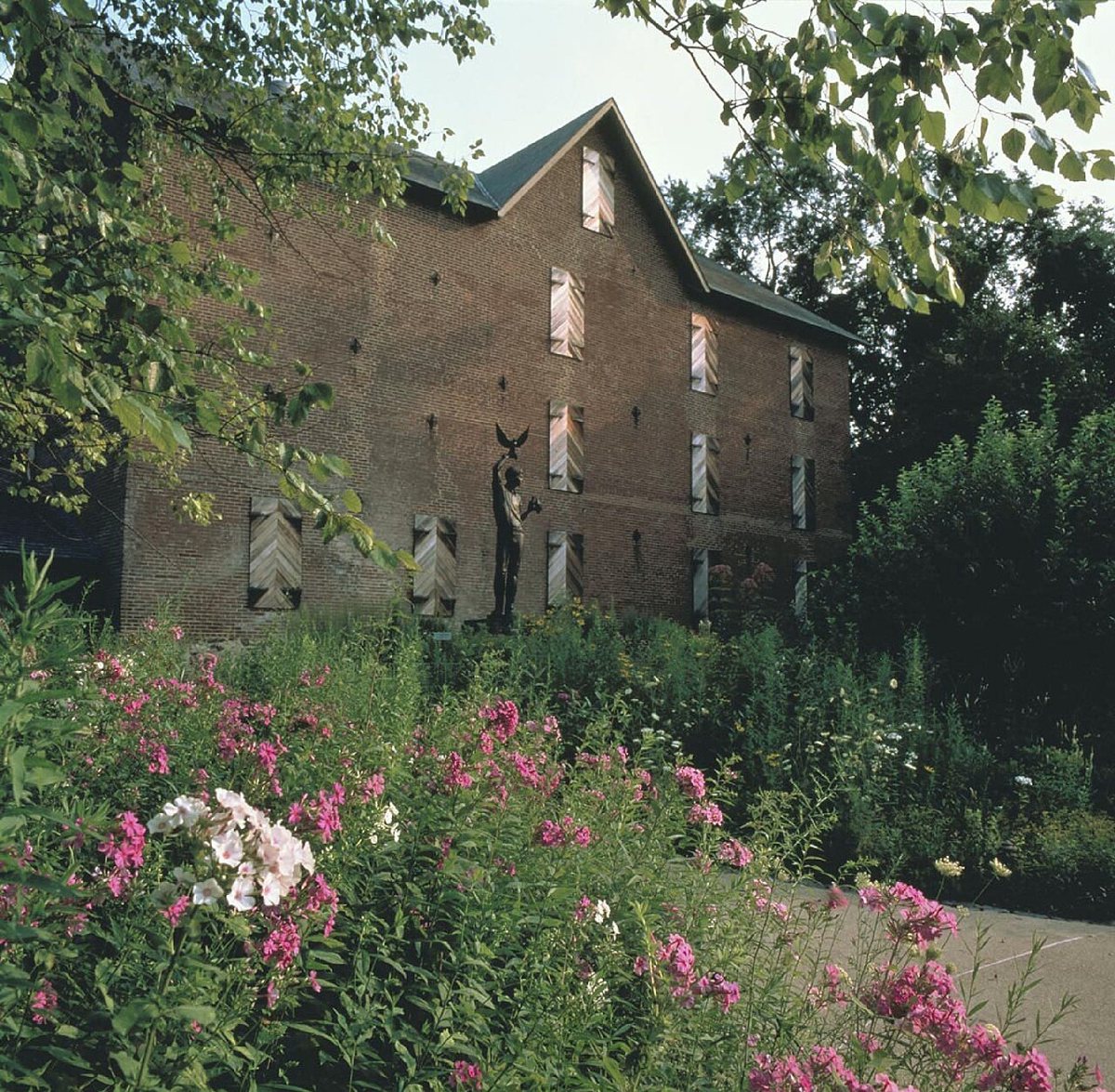
The Brandywine Valley spreads out around Chadds Ford, a stretch of horse country and old stone mills that looks more like Virginia hunt country than anything you'd expect forty minutes from Philadelphia. The centerpiece is the Brandywine River Museum of Art, built into a converted Civil War-era mill on the riverbank, holding the largest collection anywhere of work by the Wyeth family, three generations of American realist painters who lived and worked in this exact valley. Andrew Wyeth's paintings of the surrounding farmland make a lot more sense once you've driven past the actual fields and stone barns he was painting. Nearby, Brandywine Battlefield preserves part of the site of the largest single-day land battle of the Revolutionary War, a rout that sent Washington's army retreating toward Philadelphia and opened the door for the British occupation of the city that fall. The valley rewards a slow drive with no fixed itinerary as much as it rewards any single stop, so leave room for wrong turns down roads lined with covered bridges. Because it sits so close to Longwood Gardens, plenty of people pair the two into one long day, museum and battlefield in the morning, gardens in the afternoon. Drive time runs about forty-five minutes to an hour from Center City.

Valley Forge National Historical Park
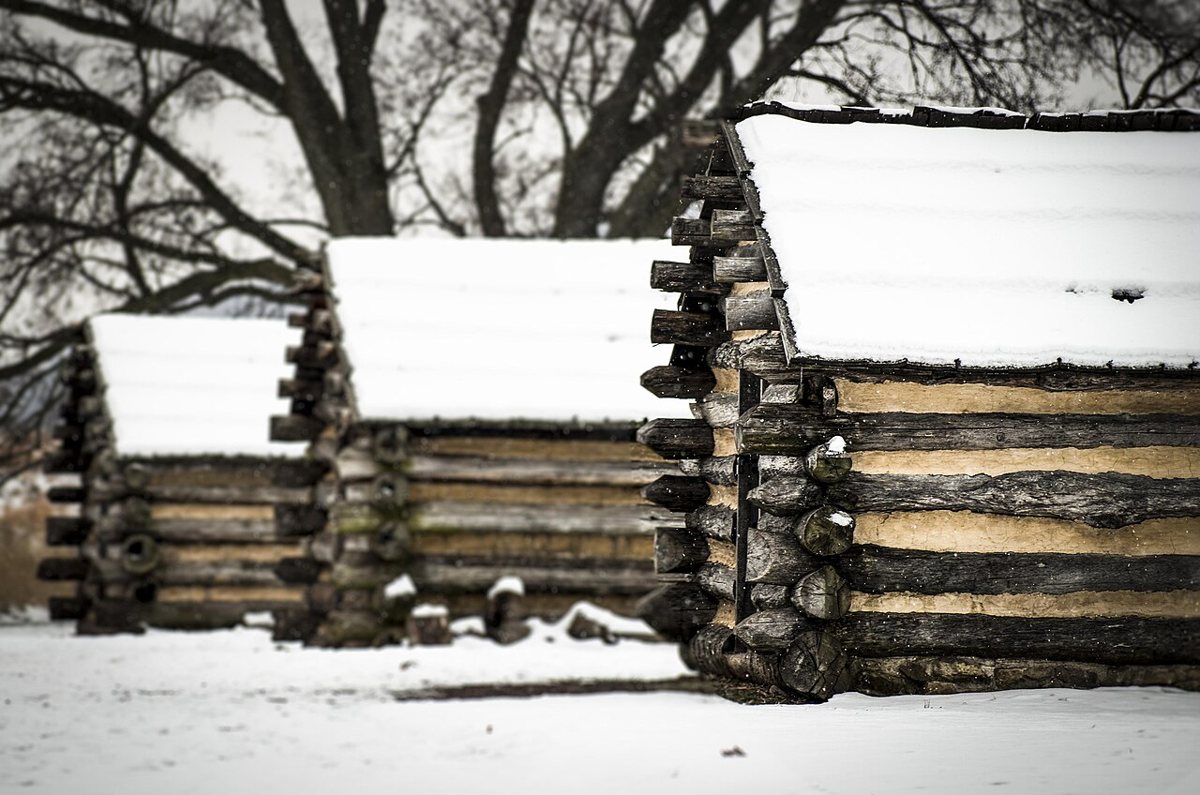
Valley Forge is the closest thing on this list to a guaranteed easy outing, less than an hour from the city and free to walk in any direction you want. This is where Washington's Continental Army camped through the brutal winter of 1777 into 1778, and the open fields, reconstructed log huts, and Washington's actual headquarters building do more to explain the desperation of that winter than any classroom ever did. The park has miles of paved and unpaved trails that draw as many cyclists and runners as history buffs, a loop around the encampment grounds that works as a genuine workout or a leisurely roll depending on your mood. Climb to the Washington Memorial Chapel grounds or out to the National Memorial Arch for the best wide views of the fields below. The smart move is treating it as a place you can visit in any weather, including a gray November afternoon when nobody else wants to be outside, because the emptiness only adds to how well you can picture the actual hardship of that winter. It's reachable by car in well under an hour from Center City, and stubborn transit riders can get partway there via the Norristown High Speed Line and a short bus or rideshare from there.

South and East to the Shore
Atlantic City
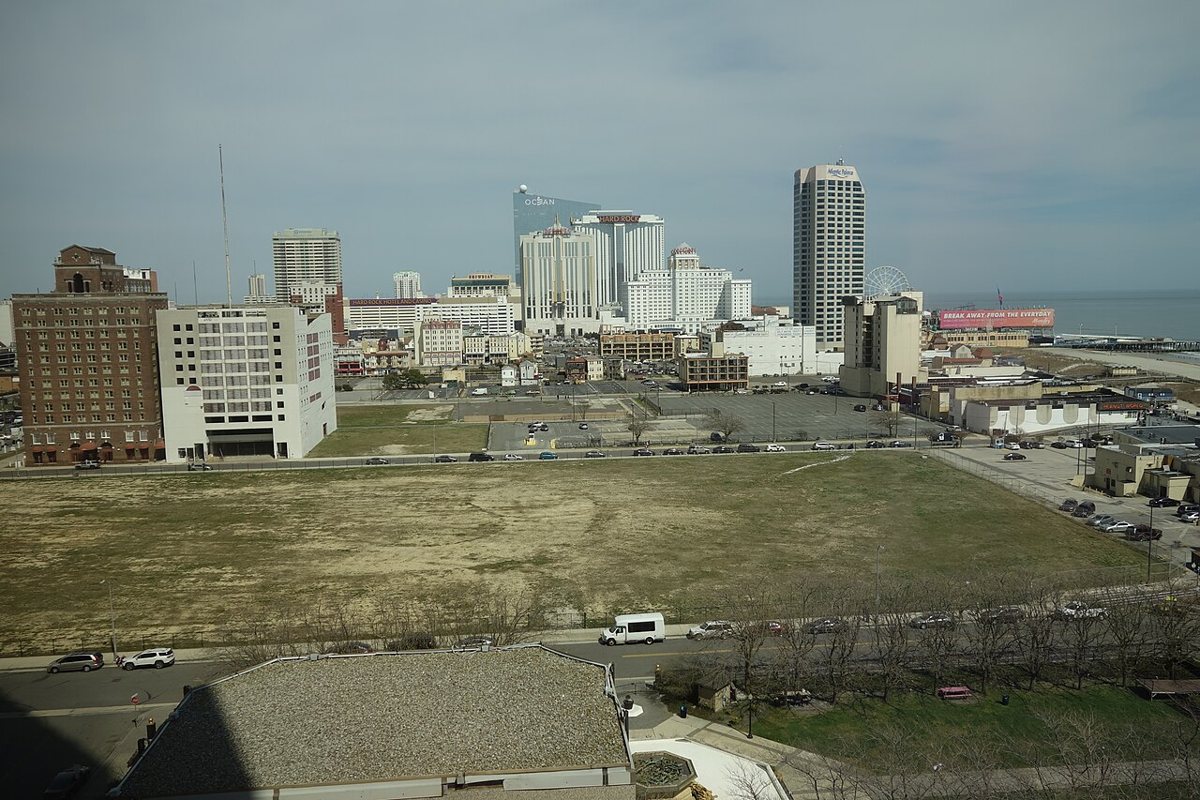
Atlantic City gets dismissed by a certain kind of Philadelphian who thinks the casinos ruined it, and there's something to that complaint, but the boardwalk itself, the widest and one of the oldest in the country, is still worth the trip on its own. Walk it early, before the day crowds arrive, and you get a genuinely striking stretch of ocean, sand, and Atlantic City's particular brand of faded grandeur, old hotel facades next to newer towers next to stretches that haven't changed much since the Miss America pageant called this place home. The beach itself is free and wide and, unlike a lot of the Jersey Shore, doesn't require a beach tag most places. If gambling isn't the draw, Steel Pier still has rides right out over the water, a kid-focused stretch that predates the casinos by decades. The honest read is that AC works best as a place for a specific kind of day, boardwalk and beach and maybe a buffet, rather than a quaint Shore town, because it isn't one and never was. It's the rare Shore town Philadelphians can reach without a car at all, thanks to the NJ Transit Atlantic City Rail Line running straight out of the city, which makes it a realistic option even for a spontaneous Tuesday. Driving takes a little over an hour via the Atlantic City Expressway.

Ocean City, New Jersey
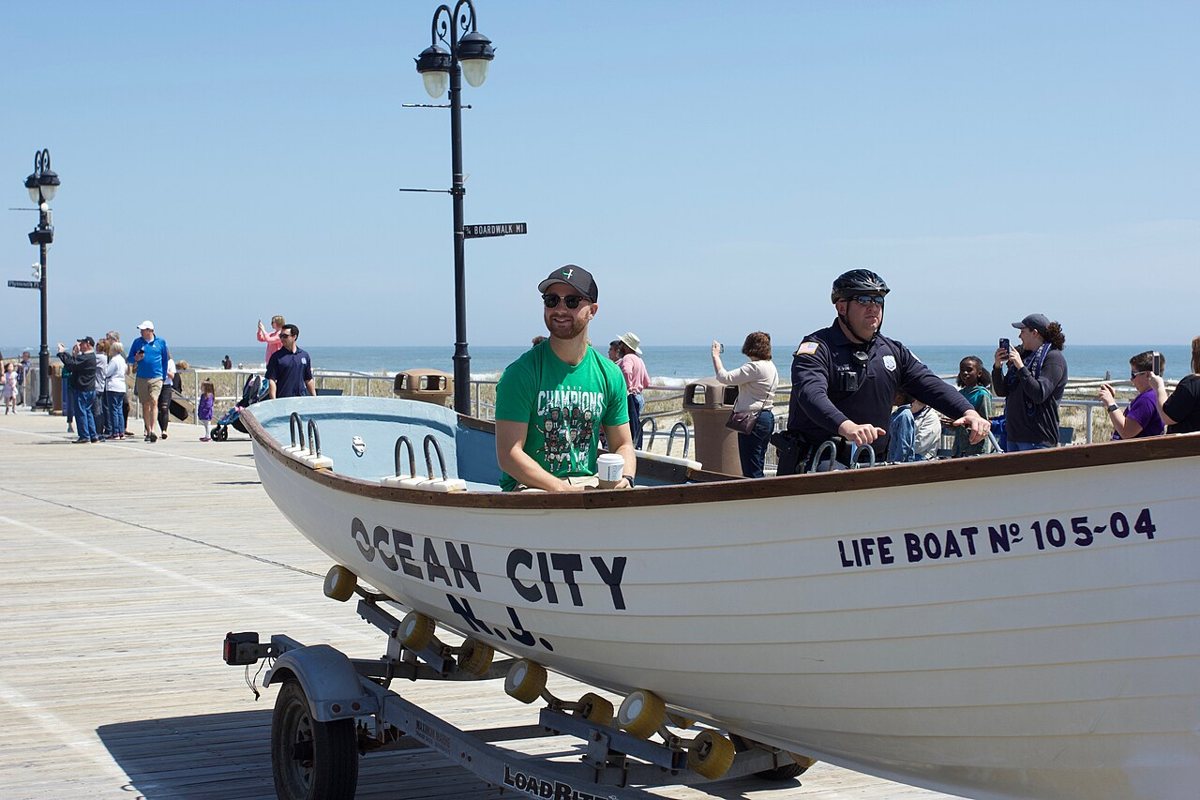
Ocean City is the Shore town a lot of Philadelphia families default to without much debate, a dry town with a boardwalk built for exactly the kind of low-key evening that doesn't involve anyone gambling their kid's college fund. The beach requires a paid tag in season, which surprises out-of-towners every year, but the tradeoff is a stretch of sand that stays cleaner and less packed than towns without that system. The boardwalk itself runs long and flat, good for a bike ride in the early morning before it fills with pedestrians, and the amusement piers at either end are unpretentious in a way that feels almost old-fashioned now. Asbury Avenue, a few blocks in from the water, has the ice cream shops and gift stores that make for a good rainy-day backup plan. Park on the numbered side streets rather than circling for boardwalk-adjacent spots, and time a beach day around the tide charts if you actually want dry sand to sit on. It runs about an hour and a half from Philadelphia, longer on a summer Saturday when everyone else has the same idea.

Cape May, New Jersey
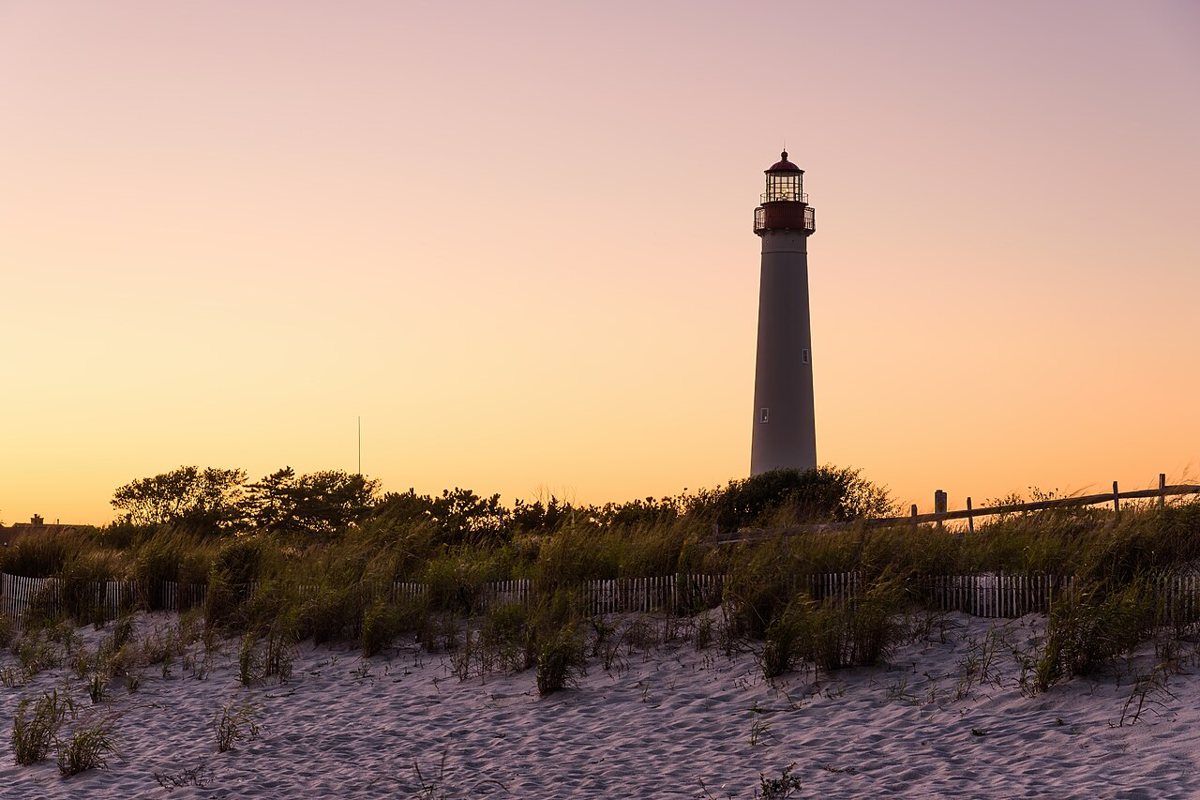
Cape May sits at the very bottom of New Jersey, where the bay meets the ocean, and it has the best-preserved collection of Victorian architecture of any beach town on the East Coast, gingerbread trim and wraparound porches on nearly every block of the historic district. The whole town is a National Historic Landmark, part of why it never got the high-rise treatment other Shore towns did. Walking the residential streets away from the beach is its own reward here, no destination required, just block after block of painted ladies in colors you'd never expect a Victorian builder to choose. Cape May Point, just outside downtown, is one of the best birdwatching spots on the entire Atlantic Flyway, especially during fall migration when hawk counts and monarch butterfly numbers both spike. The beaches are calmer than the ones further north, and the lack of a boardwalk keeps the whole town quieter after dark. Skip the direct highway route in summer if you can, and treat the drive itself as part of the trip, cutting down through Cumberland County's back roads and farm stands. It's the longest Shore trip on this list, close to two hours from Philadelphia each way, which is exactly why it still feels like an actual getaway rather than a quick errand to the beach.

Into the Pines
The Pine Barrens
The Pine Barrens cover more than a million acres of southern New Jersey, a landscape so different from the beach towns and farmland around it that it's easy to forget it's in the same state. Sandy soil, scrub pine, and cedar-stained rivers define most of the region, along with a scattering of ghost towns left over from a bog iron industry that died out in the nineteenth century. Batsto Village, a preserved ironworks community inside Wharton State Forest, is the easiest entry point for anyone who wants a sense of the region's history without committing to a full backcountry day. The rivers here, the Mullica, the Batsto, the Wading, are tannin-stained the color of weak tea and made for slow canoeing or kayaking through cedar swamp that feels genuinely remote despite being an hour or two from Center City. Cell service disappears fast once you're off the main roads, so bring an actual paper map or download offline directions before you go, a rule that catches out plenty of confident drivers every year. This is the day trip for people who want quiet more than they want a destination, and it delivers that in a way almost nothing else within two hours of Philadelphia can.

Farm Country and Points West
Lancaster County and Pennsylvania Dutch Country
Lancaster County is where a lot of Philadelphians send out-of-town guests who want to see something that doesn't look like anywhere else on the East Coast, and it earns the trip. This is the heart of Pennsylvania Dutch Country, home to one of the largest Amish and Old Order Mennonite communities in the country, and the working farms here aren't staged for tourists, they're real operations that happen to sit along roads open to anyone driving through. Slow down for horse-drawn buggies, because you will share the road with them, and resist the urge to photograph people who've made clear they don't want their picture taken. Central Market in downtown Lancaster city is one of the oldest continuously operating farmers markets in the country, a good anchor for the food side of the day, and the covered bridges scattered through the county's back roads make for a satisfying afternoon of aimless driving with no real destination. The Amtrak Keystone Service runs directly from 30th Street Station into Lancaster city, a genuinely pleasant train ride that skips the traffic entirely if you don't need a car once you're there. Driving takes about an hour and forty-five minutes from Philadelphia, and the smart move is picking one or two farm stands or markets rather than trying to see the whole county, because the region rewards slowness more than any checklist ever could.

Hershey, Pennsylvania
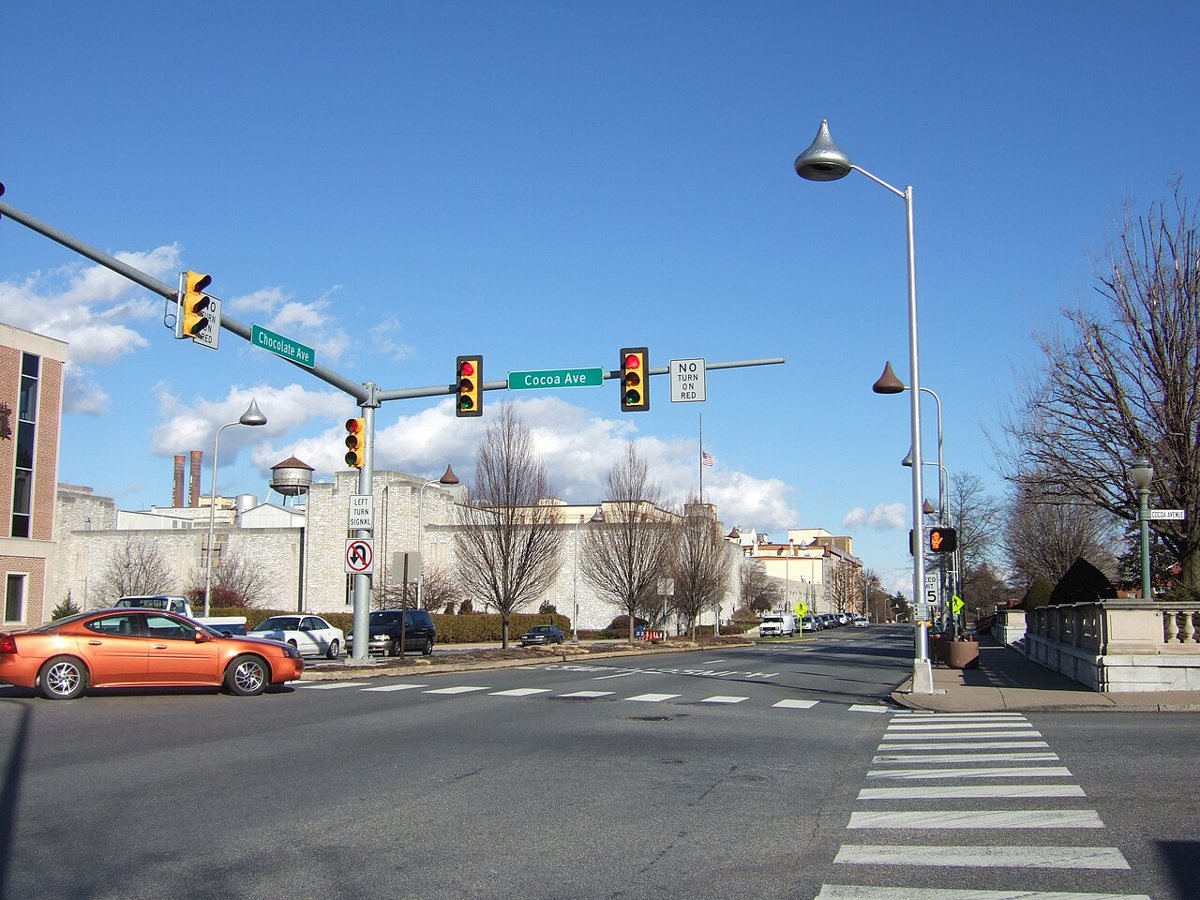
Hershey is a company town built entirely around chocolate, and it commits to the bit in a way that's almost endearing, streetlights shaped like Hershey's Kisses, an amusement park attached to the whole operation, a free walk-through experience explaining how the chocolate actually gets made. Hersheypark itself is a legitimate destination for families with kids old enough for roller coasters, with a range of rides that goes from genuinely intense to gentle enough for toddlers. Hershey Gardens, a separate botanical garden on the same hillside, gives adults a reason to come even without kids in tow, especially during the spring bulb display and the butterfly house in summer. It's a longer haul than most of the other stops here, close to two hours from Philadelphia, which makes it more of a full-day commitment than a spontaneous afternoon out. Check the amusement park's crowd patterns before locking in a date, since a weekday outside of summer break can mean a fraction of the wait times you'd hit on a July Saturday.

Small Cities Worth the Drive
Wilmington, Delaware
Wilmington doesn't get the credit Philadelphians give to New York or Washington as a real city worth visiting, which is a little unfair, because it's the closest urban day trip on this list and one of the only ones reachable by SEPTA Regional Rail without a transfer, on the Wilmington/Newark Line straight out of Center City. The Riverfront has walkable paths along the Christina River and a genuinely good children's museum if you're traveling with a kid who needs to move. Just outside the city, Winterthur and Nemours preserve two more du Pont family estates, Winterthur built around one of the country's best collections of American decorative arts, Nemours modeled on French formal gardens at a scale that makes Longwood feel modest by comparison. Delaware's lack of sales tax is a real, practical reason to combine a day trip with an errand, particularly for anyone shopping for something bigger than a souvenir. Treat Wilmington as a city day rather than a nature day, walkable downtown blocks and a museum or two, not a full outdoor itinerary. It's about thirty to forty-five minutes from Philadelphia by car or train, one of the shortest trips on this whole list.
Gettysburg
Gettysburg is further than everything else on this list, close to two hours from Philadelphia, and it demands the kind of commitment that turns it into a full day rather than a casual outing. The battlefield itself, preserved as a National Military Park, covers thousands of acres where the largest battle of the Civil War played out over three days in July 1863, and driving or biking the auto tour route past the monuments gives a real sense of the scale in a way no single overlook can. Little Round Top and the fields where Pickett's Charge happened carry a weight that's hard to describe until you're standing on the actual ground. The town around the battlefield leans into its history hard, sometimes past the point of good taste, but the National Military Park land itself stays sober and well kept regardless of what's happening on the commercial strip nearby. Start at the visitor center before wandering the battlefield roads on your own, because the context makes the monuments mean something instead of just being stone markers in a field. Given the drive, this one works better as an early-start, all-day commitment than a spontaneous Saturday plan.
Getting There and Back
Most of this list is a driving trip, and the two things that matter most are which bridge or expressway you're fighting and what time you leave. The Schuylkill Expressway heading west, the Ben Franklin and Walt Whitman bridges heading into New Jersey, and the Atlantic City Expressway all back up predictably on summer weekend mornings, so leaving before eight or after ten usually beats the crowd in between. A handful of these trips don't require a car at all. SEPTA's Regional Rail reaches Wilmington directly on the Wilmington/Newark Line, and Amtrak's Keystone Service runs from 30th Street Station straight into Lancaster city, both genuinely relaxing alternatives to driving. NJ Transit's Atlantic City Rail Line covers that trip without a car as well. Princeton is workable by train with a transfer through Trenton, though it takes patience. Everywhere else on this list, New Hope, Longwood Gardens, Valley Forge, the Shore towns south of Atlantic City, the Pine Barrens, Hershey, and Gettysburg, really does require a car or a ride from someone who has one. On the cost side, Valley Forge is free to walk any day of the year, most beaches are free to sit on even where a tag is required to actually claim a spot, and the historic districts in New Hope, Lambertville, Princeton, and Cape May cost nothing to wander. Pack a printed map or download directions in advance for the Pine Barrens and rural stretches of Lancaster County, since cell service isn't reliable in either.
Worth the Traffic
None of these places need Philadelphia's endorsement to be worth visiting, and that's sort of the point. What they offer is the thing this city's neighborhoods are built around too, a strong, specific sense of what a place is and isn't willing to become. New Hope isn't trying to be Lambertville. Cape May isn't trying to be Atlantic City. Lancaster County isn't performing for anyone driving through it on a Sunday. That stubbornness is a very Philadelphia trait to recognize in other places, and it's probably why these particular trips have stuck around as regional habits for generations instead of fading into whatever's trending. My honest advice, after enough of these drives to know better, is not to overplan. Pick one destination, not three, and let the day be slower than the itinerary promises. Some Saturdays the better call is skipping the expressway entirely and giving a weekend in town a real shot instead, because the whole reason these trips feel good is that they're optional, not obligatory. Go when you actually want to go, not because a list told you to, and you'll come back liking both the trip and the city you left a little more than you did that morning.