Best Hikes near Philadelphia Locals Recommend
From the creek-side gravel of Forbidden Drive to the canal towpaths of Bucks County, a local editor's field guide to the trails Philadelphians actually walk, sorted by how far you are willing to go.
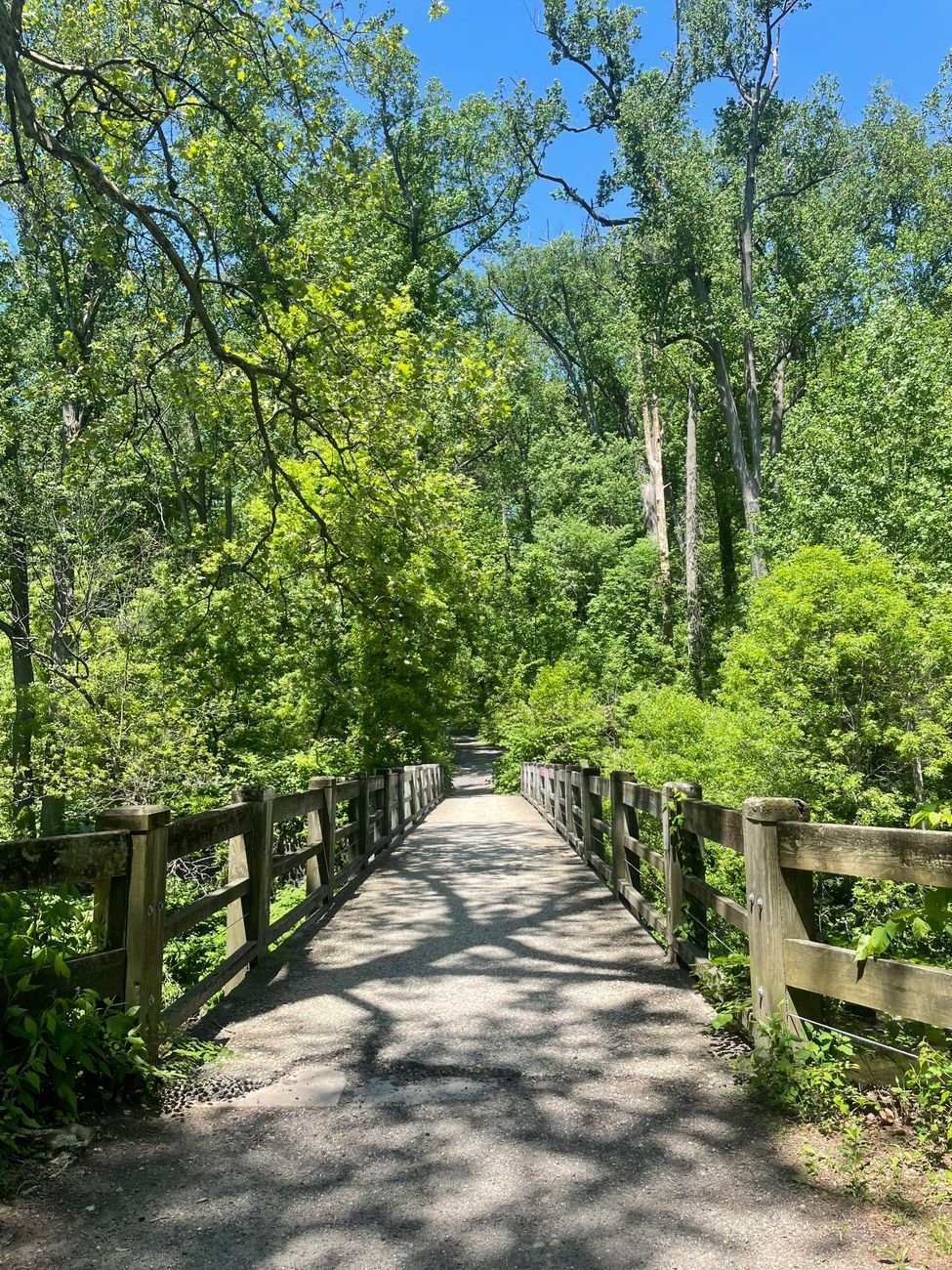
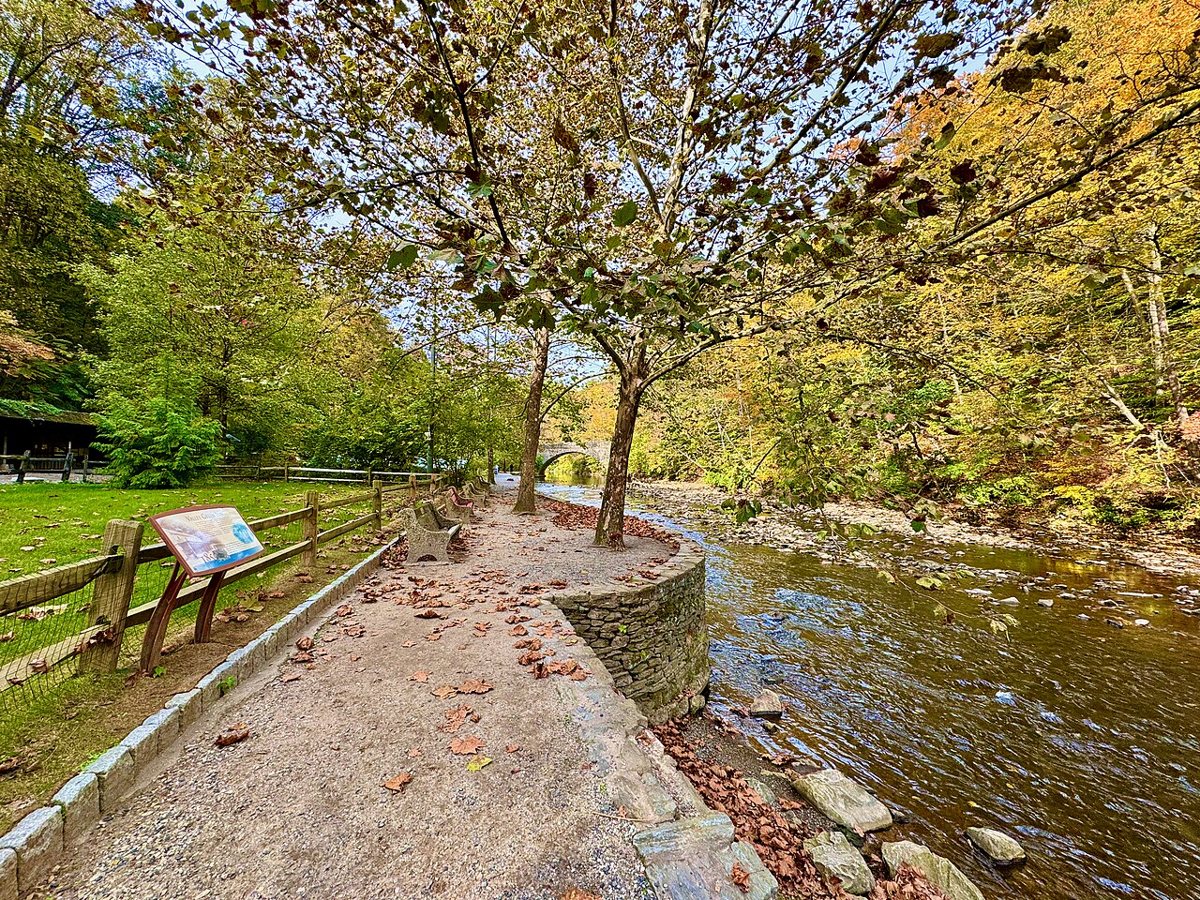
The gravel on Forbidden Drive has a sound, a dry crunch that carries farther than you expect on a cold Saturday morning in late October. Somewhere ahead a horse and rider come around the bend, because riders have always shared this stretch of the Wissahickon, and a runner in a Temple sweatshirt steps aside without breaking stride. Past the Valley Green Inn the creek runs low and brown under beech and tulip poplar turning gold. Nobody is looking at a phone. That scene is the plainest argument for why the best hikes near philadelphia start inside the city limits, and it is where this guide begins.
I spent eighteen years in West Philly, and most of my weekends in that time went to walking somewhere green on the cheap. Some of those walks were ten minutes from the el. Others took a full tank of gas and a thermos. What follows is the list I give friends who move here and ask where the real trails are, sorted by how far you have to travel to reach them. Every spot below is a real, established park or refuge. No one needs a mountaineering permit for any of it, and a few of the outings need nothing more than sneakers and a SEPTA ride.
Philadelphia is not mountain country, and anyone who promises alpine drama within an hour of Center City is selling something. What the region offers instead is wooded creek valleys, tidal marsh, old canal towpaths, rolling Piedmont forest, and ridgeline lookouts of modest height. It rewards people who enjoy walking more than summiting. Locals tend to pick a favorite valley and defend it like a rowhouse stoop, and the arguments over which one is best are conducted with real heat.
How We Sorted the Best Hikes Near Philadelphia
The list runs outward. First come the trails within the city itself, which is where most locals spend most of their trail time. Then the western suburbs and Chester County, where the forests get deeper. Then Bucks County and the river, where canal towpaths and a big reservoir lake round things out. Each entry includes a rough sense of where it sits and one thing worth knowing before you go.
Inside the City: Trails You Can Reach Without a Road Trip
Wissahickon Valley Park and Forbidden Drive
If Philadelphia has a single great hiking destination, this is it. Wissahickon Valley Park stretches along Wissahickon Creek through Chestnut Hill, Germantown, Roxborough, and Manayunk, a gorge of schist and hemlock that feels absurdly far from the grid of the city. Forbidden Drive is the wide, flat gravel spine of the park, closed to cars for about a century and now open to walkers, cyclists, and horseback riders. It is the easy option, good for strollers, grandparents, and dogs. Everything interesting branches off from it.

The real hiking happens on the narrower footpaths that climb the valley walls. The Orange Trail and the Yellow Trail, both marked with painted blazes, give you rocky switchbacks, overlooks, and quiet stretches where the only company is a woodpecker. Lover's Leap, the Thomas Mill covered bridge, and the Valley Green Inn are the classic stops. The inn is an old roadhouse that still serves brunch to muddy hikers, and it makes a fair reward at the end of a loop. The insider tip: the creek is for looking at, not swimming in. Rangers discourage jumping from the rocks into the so-called Devil's Pool, and for good reason. Come early on a fall weekend, because the lots by the main entrances fill before nine.
Fairmount Park Beyond the Art Museum
Most visitors know Fairmount Park as a postcard of Boathouse Row and the Schuylkill, but the park system is far larger than that postcard suggests. It is one of the biggest urban park systems in the country and includes the Wissahickon itself, along with riverside lawns, old estates, and forested hillsides on both sides of the river. For a city walk with a payoff, climb Lemon Hill, a small rise above the river with a historic mansion and a view back toward the skyline.
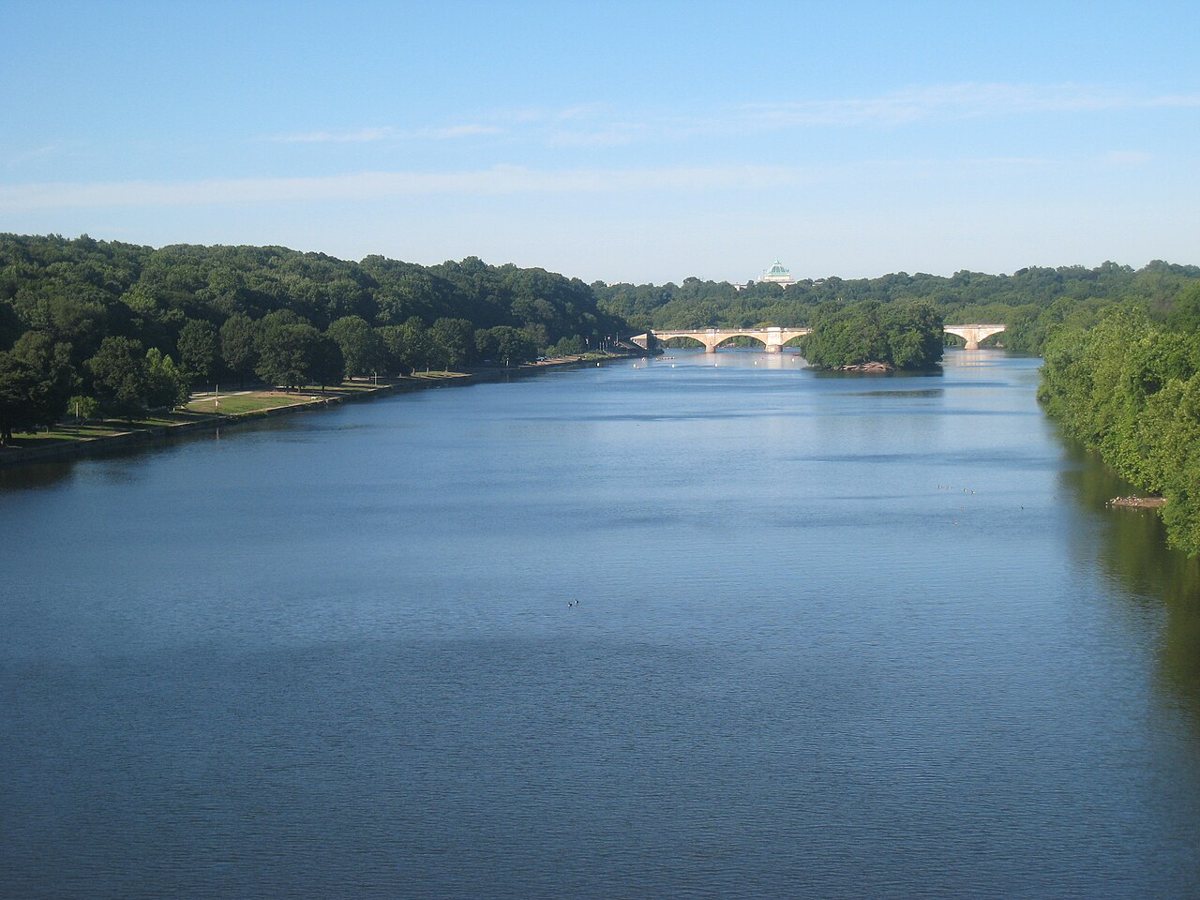

The better-kept secret is Belmont Plateau, a broad hilltop in West Philly where locals watch kites in spring and the skyline from a distance all year. The cross-country running community knows its dirt loops, and mountain bikers share the woods around it. A longer walk along the river on Kelly Drive passes the rowing clubs and ends at the Art Museum steps for anyone who wants a city finish. The insider tip: weekday mornings are nearly empty, and the park changes character completely when the weekend crowds are not around. For more green space inside the city limits that is gentler than a full trail day, a city park is often all the nature a Tuesday afternoon requires.
Pennypack Park in the Northeast
Northeast Philadelphia does not get enough credit for its trails, and Pennypack Park is the reason that should change. The park follows Pennypack Creek for miles through a forested valley that cuts across the neighborhoods of the Northeast, ending near the Delaware River. It is calm and a little overgrown in the best way, with shaded footpaths, stone bridges, and long stretches where you forget the surrounding rowhouses exist.
The paved Pennypack Trail runs through the park and continues north across the city line, so it works well for walkers who want a long, even surface. Near the lower end of the park sits the Frankford Avenue bridge over the creek, a stone structure dating to the late seventeenth century and often described as the oldest roadway bridge still in use in the country. The Pennypack Environmental Center is a good place to learn what lives in the valley. The insider tip: the quieter, unpaved side trails are where the park earns its keep, especially in spring when the understory fills with wildflowers and the creek runs fast.
The Schuylkill River Trail
This one is less a hike than a spine. The Schuylkill River Trail begins in the city around the Art Museum and the Schuylkill Banks, passes through Manayunk along the old canal towpath, and keeps going northwest toward Valley Forge and well beyond. Some stretches are paved and busy with cyclists. Others are gravel and nearly empty. Walkers can pick any piece of it, which is the point.
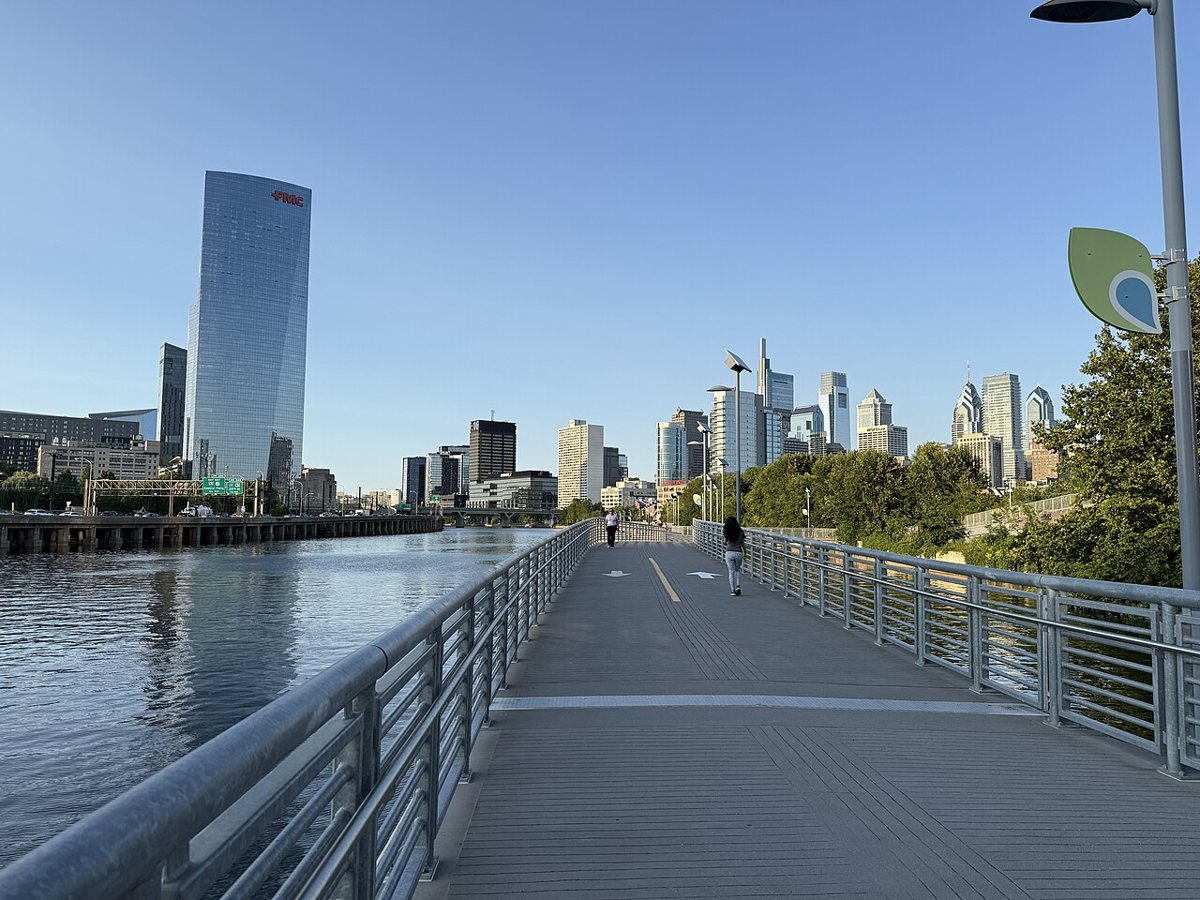

Manayunk is the most rewarding segment for a walking day. The canal sits on one side, the river on the other, and Main Street is a short detour for coffee or a beer after the miles are done. Farther south, the trail links toward Bartram's Garden, the oldest surviving botanical garden in the country, which sits right on the river in Southwest Philadelphia. The insider tip: the trail is flat enough that many locals treat it as a long, easy way to string two neighborhoods together, with a Regional Rail ride home from a station like Manayunk to cut the return leg.
John Heinz National Wildlife Refuge at Tinicum
Plane spotters and bird people share a strange common ground here. John Heinz National Wildlife Refuge at Tinicum sits in Southwest Philadelphia and neighboring Delaware County, close enough to the airport that jets pass low overhead while herons stand in the shallows. It protects the largest freshwater tidal marsh left in Pennsylvania, and the walking is flat, quiet, and surprisingly wild.
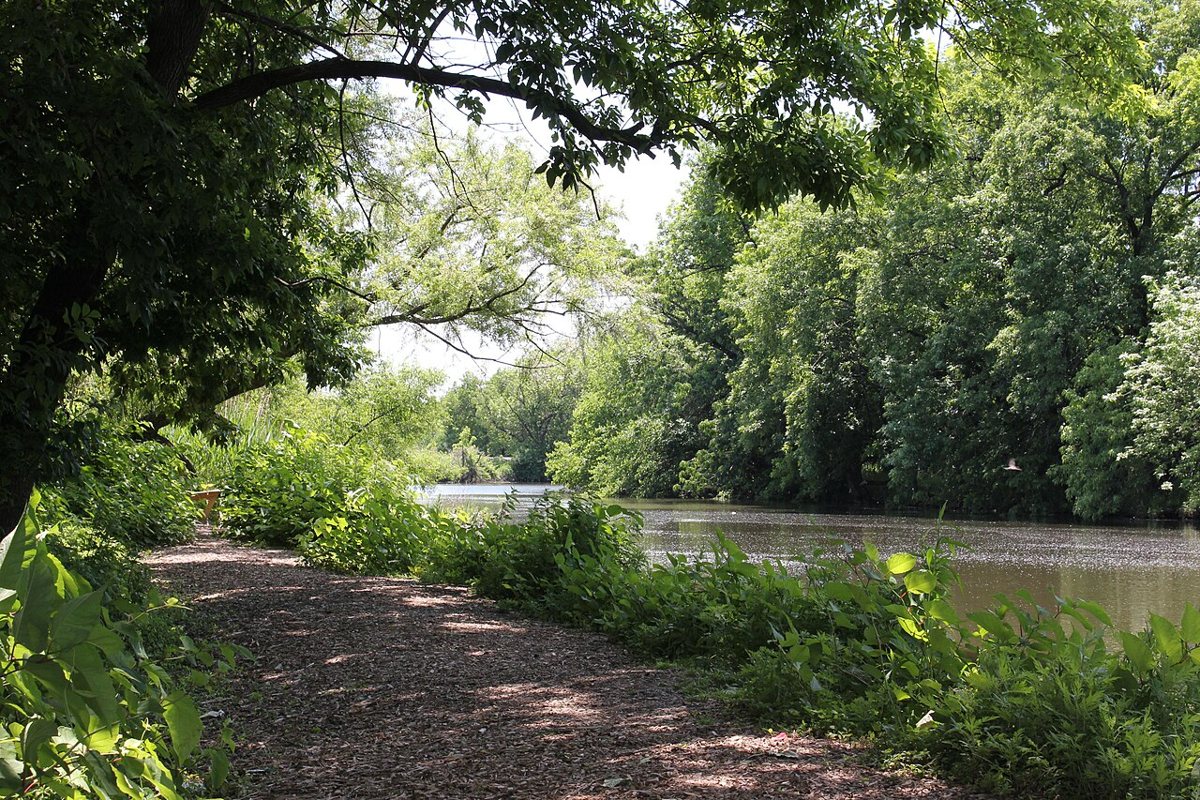

A loop trail circles the main impoundment, with an observation platform and boardwalk stretches where turtles stack on logs in warm months and ducks gather in cold ones. It is a bird-watching destination first and a hiking destination second, so bring binoculars if you own a pair. The insider tip: spring and fall migration put the most variety on the water, and the light in late afternoon is the best of the day. It is also one of the easiest outdoor trips from Center City for anyone who does not own a car.
Western Suburbs: Deeper Woods, Longer Loops
Ridley Creek State Park
Ridley Creek State Park in Delaware County is the gentlest of the big state parks near the city, and for that reason it is the one I send friends with young kids. Rolling meadows, hardwood forest, and the creek itself define the landscape. A paved multi-use loop makes it easy for strollers, while the unpaved trails take you under big trees and along the water at a pace that suits an unhurried Saturday.
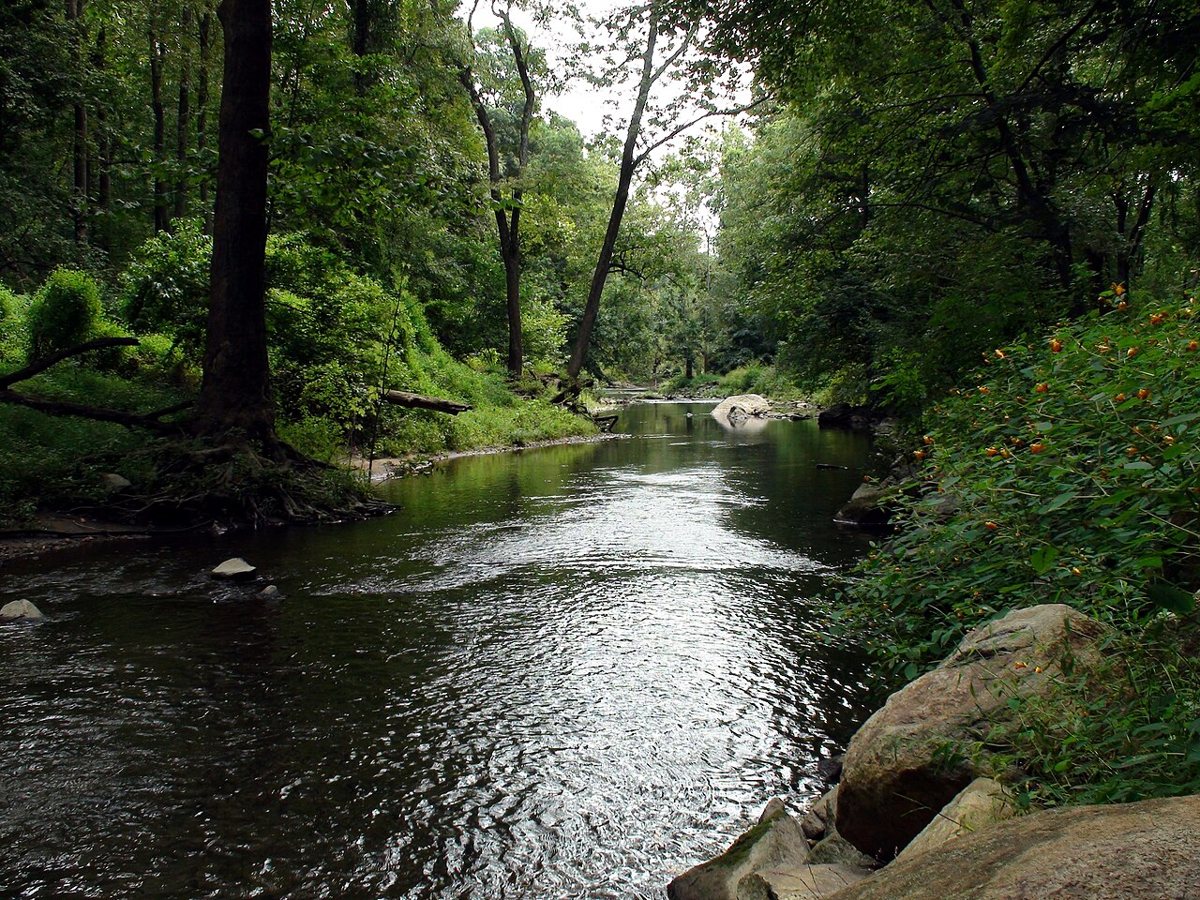

The park holds the Hunting Hill Mansion, a grand estate that once belonged to a wealthy local family, and an adjacent living-history farm that recreates colonial life. The stone ruins of old mill buildings add another layer of history to the creekside walk. The insider tip: the trails by the creek stay cooler in summer than the open meadows, so start there on a hot day and work up to the sunnier stretches if the heat allows.
Valley Forge National Historical Park
Yes, this is the park where the Continental Army wintered, and the history is right there in the stone monuments and reconstructed huts. But Valley Forge is also, plainly, a terrific place to walk. More than a few Eagles fans run the trails here before heading home to yell at a television. The wide open fields, rolling hills, and miles of trail make it feel more like a country estate than a battlefield.
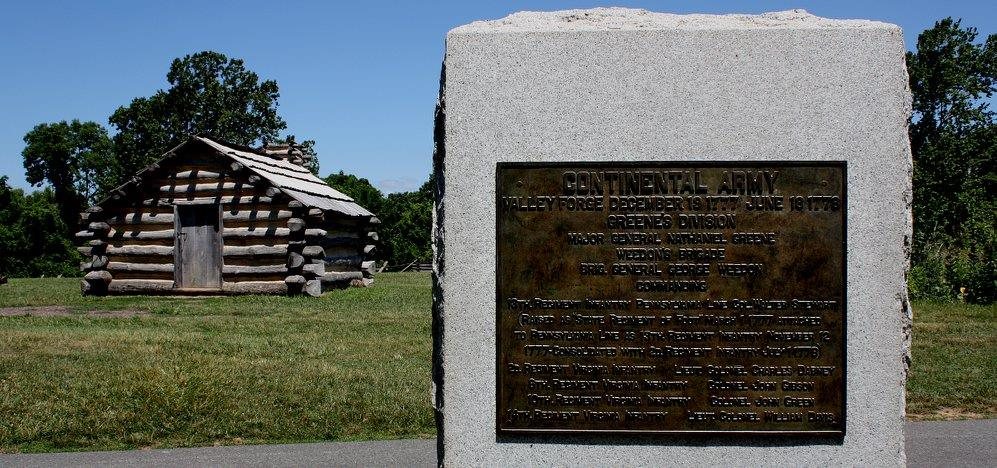

The Joseph Plumb Martin Trail loops around the park for a long, satisfying circuit, passing woods, fields, and the river. The Schuylkill River Trail also runs along the northern edge, linking this park to the city. Mount Joy, a modest rise in the park, offers a view across the grounds. The insider tip: the famous monuments draw most of the crowds, which means the outer loops on the far side of the park are often quiet even on a busy weekend. The park grounds are free to enter, a fact locals take for granted.
French Creek State Park
French Creek State Park is where the region starts to feel like real forest. It sits in northern Chester and southern Berks counties, and it is part of one of the largest stretches of unbroken woodland in southeastern Pennsylvania. Two lakes anchor the park, Hopewell Lake and Scotts Run Lake, and a web of trails climbs ridges and drops into hollows between them.
The park borders Hopewell Furnace National Historic Site, an old ironmaking village preserved in the woods, and the two pair naturally in a single day. The Horse-Shoe Trail, a long-distance route that connects the Valley Forge area to the Appalachian Trail, passes through the park, so serious walkers can string together as many miles as they like. The insider tip: the longer loops here are among the most remote-feeling in the region, so carry water and a map, because cell service can be spotty in the hollows.
Tyler State Park
Tyler State Park in Newtown, Bucks County, sits along the Neshaminy Creek and offers a different flavor of walk, one built around water, open fields, and gentle hills. The paved loop is popular with cyclists and families, while the unpaved side trails run beside the creek and through wooded stretches that quiet down quickly once you leave the main path.
The Schofield Ford Covered Bridge is the park's signature stop, a reconstructed wooden span over the creek that makes a fine photo and a natural turnaround point. Canoeists and kayakers also use the creek in warmer months. The insider tip: this park is especially pretty in the shoulder seasons, when the leaves are turning or the first green hits the creek banks, and the crowds thin out as soon as you walk away from the parking lots.
Bucks County and the River: Towpaths and Lake Loops
Nockamixon State Park
Nockamixon State Park surrounds Lake Nockamixon in upper Bucks County, and its trails trace the shoreline, climb rocky rises, and pass through hardwood forest. It feels bigger and wilder than the parks closer to town, and the lake adds a wide-open view that the creek parks cannot match. Hikers can choose short lakeside walks or longer loops that wander away from the water entirely.
The terrain here is hillier than most of the region, which makes it a good training ground for anyone planning a bigger hiking trip later in the year. Nearby ridges and state game lands extend the options for those who want to keep going. The insider tip: weekday visits are much calmer than weekends, when boaters and anglers fill the parking areas, and the lake looks best in the soft light of early morning. If you want to turn the outing into a full outing, a day trip from Philly pairs naturally with a lakeside walk and a stop in one of the small towns nearby.
The Delaware Canal and D&R Canal Towpaths
For flat, shaded, endlessly scenic walking, nothing beats a canal towpath. The Delaware Canal runs along the Pennsylvania side of the river through Delaware Canal State Park, from Bristol up past Washington Crossing and New Hope and on toward Easton. The towpath is level and tree-lined, with the old canal on one side and the river on the other, so it works for walkers of any fitness level. Washington Crossing Historic Park and the nearby wildflower preserve make good stops along the way.
Across the river in New Jersey, the Delaware and Raritan Canal towpath offers a similar experience on the opposite bank, with long, quiet stretches and few road crossings. The two paths are best enjoyed in pieces, not in a single push. Pick a village, park near the canal, walk a few miles in one direction, and return. The insider tip: weekday walks along the towpath feel almost private, and the stone locks and old lock-tender houses along the route reward anyone who slows down to read the signs.
Seasons, Costs, and Getting There
Autumn is the obvious favorite, and it earns the reputation. Late October brings the strongest color to the Wissahickon, Ridley Creek, and French Creek, and cool temperatures make longer loops comfortable. Expect crowds on weekends, particularly at the main entrances. Spring is the underrated season. Wildflowers appear along Pennypack Creek and in the Wissahickon, the marsh at Tinicum fills with migrating birds, and the woods are green without the bugs that arrive in summer.
Summer works if you start early and choose shade. The creek valleys stay cooler than the open fields, and canal towpaths offer tree cover for miles. Winter is the quiet season. A dusting of snow turns Forbidden Drive into a postcard, and the trails at Valley Forge and Nockamixon are nearly empty. Ice and mud can be a problem, so wear boots with real tread, and check conditions before heading to the hillier parks.
Most of these places are free. The city parks, Valley Forge, and Pennsylvania state parks do not charge for entry or trail use, and the same goes for the canal towpaths and the wildlife refuge. Parking at the state parks and the national park is generally free as well, though some programs, rentals, and special events carry their own fees, and the rules change from year to year, so confirm before you go.
Transit works better than people assume. Regional Rail lines serve Chestnut Hill and Manayunk, putting the Wissahickon and the Schuylkill River Trail within a short walk of a station. Buses reach several of the city park entrances, and the refuge at Tinicum can be reached by a combination of transit and a short walk. The suburban state parks are another matter. Ridley Creek, French Creek, Tyler, and Nockamixon are realistically car trips, and weekend lots fill early. Carpool when you can, arrive before nine, and bring water, since most trailheads have no shops nearby.
A few habits make any outing better. Pack out what you carry in. Stay on the marked trails, especially on the Wissahickon hillsides, where erosion is a real problem. Yield to horses and cyclists. Dogs are welcome in many of these places, but rules about leashes vary, so check the posted signs. And plan around the Eagles schedule: a Sunday morning before kickoff, the trails are strangely empty, and everyone you do meet is wearing green.
The Takeaway
The best hikes near philadelphia are not the longest or the steepest. They are the ones that fit a real weekend, with a short drive or a train ride, a decent cup of coffee at the end, and enough woods in between to clear your head. Start with the Wissahickon, because it is the one every local measures the others against. Then work outward: the marsh at Tinicum for birds, Valley Forge for open sky, French Creek for deep woods, the canal towpath for a lazy Sunday.
This region does not shout about its trails. It lets you find them, one muddy boot at a time, and then it quietly becomes the reason you stay. Pick a valley, learn its bends, and defend it at the next dinner party. That is how this city has always worked, and the trails are a good place to start.