Best Brunch in Fishtown Locals Recommend
A working local's guide to a Fishtown brunch: the four kinds of morning, how to beat the wait, and the walk to the river.
It's 9:40 on a Saturday and the line for the best brunch in Fishtown outside a corner spot on Frankford Avenue already runs eleven people deep, half of them holding coffee they bought somewhere else while they wait, a dog tied to a bike rack, a stroller wedged against the mailbox, someone's toddler narrating the whole scene at full volume. A guy in a Sixers hoodie reads the paper menu taped to the glass for the third time like it might say something different. Down the block a delivery truck double-parks for a bakery restock, and the smell of fresh bread briefly beats out the coffee smell for dominance. Anyone weighing where to eat should start by understanding this isn't hype theater. It's a routine two decades in the making, built by a neighborhood that filled its rowhouses with painters, line cooks, and metalworkers long before anyone called it a creative hub, and that never fully let go of its working-class posture even as the coffee got fancier and the wait times got longer.
What Makes the Best Brunch in Fishtown Actually Good
Ask five people here what makes a great Fishtown brunch and you'll get five answers, but they rhyme. Good light matters, because half these rowhouse storefronts are narrow and dark unless someone thought to knock out a wall or add a skylight. A kitchen that treats brunch as a real service, not a hungover afterthought bolted onto a dinner menu, matters more. You want eggs cooked the way you ordered them, potatoes with a real char, and a coffee program that wasn't an afterthought either, because this neighborhood takes its roasting seriously enough that a mediocre cup gets noticed and remembered.
The neighborhood also cares about scale. A ten-seat storefront with a line down the block is doing something right, but it also means a forty-five minute wait on a nice Saturday. A bigger dining room with a semi-industrial fit-out, exposed brick, factory windows, reclaimed wood, can seat you faster but sometimes trades intimacy for throughput. Neither is wrong. The trick is knowing which one you're walking into and what kind of morning you actually want.
Service style matters just as much as the food. A server who can rattle off which egg dishes come out fastest during a rush, or who steers you away from the kitchen's weak plate without being asked, tells you a place has been doing this long enough to know its own limits. That kind of confidence doesn't come from a menu redesign. It comes from surviving a hundred slammed Sundays.
The Whiz-or-Provolone Test, Applied to Brunch
Philadelphia arguments about food are really arguments about values, and brunch in Fishtown is no different. Order a cheesesteak-adjacent brunch special and someone at the table will have opinions about Whiz versus provolone before the plates even land. Locals here will also tell you, unprompted, that a roast pork Italian with sharp provolone and broccoli rabe beats a cheesesteak on any morning that isn't strictly a cheesesteak morning, and that a soft pretzel with mustard is a perfectly legitimate way to start a day that also includes eggs. Water ice, not "Italian ice," belongs to summer afternoons more than brunch tables, but you'll still see it name-checked on a chalkboard specials board come June. A brunch spot that understands these hierarchies, even as a wink on a menu, is a spot that gets the neighborhood.
Brunch by Style: Sit-Down, Counter, Boozy, and Quiet
Fishtown brunch isn't one thing. It splits into four workable categories, and knowing which one you're in the mood for saves you from a bad match.
Sit-Down and Full-Service
This is the classic tablecloth-optional brunch: a hostess stand, a paper waitlist or a text-back system, a menu with a dozen options split between sweet and savory. Look for kitchens that make their own bread and cure their own bacon or at least source it thoughtfully, because that's where the neighborhood's chef talent tends to show off. A good sit-down spot will have a real vegetable dish buried in the menu, not just a garnish, since Fishtown's dining scene skews toward people who eat out constantly and get bored of the same eggs-and-toast formula. Expect a wait on weekends. Expect it to be worth it more often than not.
Counter-and-Coffee
Some mornings call for something faster: a counter order, a pastry case, a coffee poured by someone who takes it seriously, and a seat by the window if you're lucky. This is where Fishtown's roasting culture is most visible. The neighborhood has produced more than one small-batch roaster that ships beans around the country, and that seriousness trickles down into every counter spot that bothers to dial in its espresso rather than just running a drip pot on autopilot. A counter brunch is also the honest move on a weekday, when a forty-five-minute sit-down wait isn't realistic before work. Grab a pastry, stand at the rail if the seats are full, and treat it as a warm-up rather than the whole event.
Boozy and Social
Bottomless mimosa lists and bloody mary bars exist here same as anywhere, and on a Saturday with a big Eagles game later, a boozy brunch turns into pre-gaming with a fork. Regulars treat this category with a little more suspicion than the others, mostly because a bottomless deal can become an excuse for a kitchen to phone in the food. The good ones still cook a real plate underneath the pitcher of mimosas. The lesser ones lean entirely on the booze to carry the experience. Ask a bartender what they'd order themselves before committing a whole Saturday to one, and don't be shy about asking whether the bottomless window has a time limit before you sit down.
Quiet Mornings and BYOB
Not every brunch needs a soundtrack and a crowd. Philadelphia's BYOB culture, born out of old liquor licensing scarcity and never really abandoned even as licenses loosened up, gives Fishtown a run of small, quiet rooms where you bring your own bottle of something bubbly and nobody blinks. These tend to be the neighborhood's best-kept mornings: smaller menus, more careful plating, a kitchen that isn't trying to turn tables every forty minutes. If you want conversation over food rather than food as a backdrop for a bigger scene, this is the lane. Call ahead or check if a corkage policy applies, since BYOB doesn't automatically mean free pour with no fee.
Timing and Strategy: How to Beat the Wait
Fishtown brunch has a rhythm, and locals plan around it rather than fighting it.
- The worst window is 10:30 to 12:30 on Saturday and Sunday, when everyone who slept in still wants a table at the same moment.
- Early birds win. A 9 a.m. arrival, especially on Sunday when the neighborhood wakes up slower, usually means a walk-in table and a kitchen that's still fresh rather than eighty tickets deep.
- Late brunch, the 1:30 to 2:30 stretch right before a kitchen flips to lunch or dinner service, is the other underrated window. Crowds thin, kitchens relax, and you can often talk to your server without shouting over a packed room.
- Game days change everything. When the Eagles play at 1 p.m., brunch crowds compress into the morning and clear out fast, so an 11 a.m. reservation on a Sunday with a noon kickoff might actually be easier than a normal weekend.
- Text-back waitlists are common in this neighborhood. Put your name in, then walk Frankford Avenue instead of standing on the sidewalk. You'll get a text when the table's ready, and you'll have browsed three shops in the meantime.
- Bring cash or a card with no international fees, since a handful of smaller counter spots still run cash-preferred, especially for tips.
Outdoor Seating, Sidewalks, and Bringing the Whole Crew
Warmer months change the calculus considerably. A sidewalk table on Frankford Avenue puts you in the middle of the neighborhood's actual foot traffic, which some people love and others find distracting when they're trying to hear each other talk. Patios tucked behind rowhouses, often no bigger than a backyard, tend to book up first because they split the difference between people-watching and quiet. Bringing a dog means calling ahead rather than assuming, since sidewalk seating policies vary block to block and city rules around pets on restaurant property get enforced unevenly. Groups of six or more should always call ahead too. A lot of these dining rooms were built inside converted rowhouses, which means charming exposed brick and painfully limited square footage, and a party that large can blow up a Saturday floor plan if the host doesn't see it coming.
Strollers are a fact of life here on weekend mornings, and most spots have adapted, but narrow doorways and steps up from the sidewalk are common in a neighborhood built well before accessibility codes existed. If that's a concern, it's worth a quick call before you commit to a specific address.
The Frankford Avenue and Riverfront Geography of a Fishtown Brunch Day
Fishtown makes it easy to build a whole morning around brunch, and the geography practically plans it for you. Frankford Avenue is the spine, running roughly northeast from the border with Kensington up toward the border with Port Richmond, and most of the neighborhood's brunch destinations cluster along or just off this stretch. It's walkable in a way that a lot of Philadelphia isn't, flat enough for a stroller and narrow enough that you're never more than a block from a coffee shop, a vintage store, or a gallery.
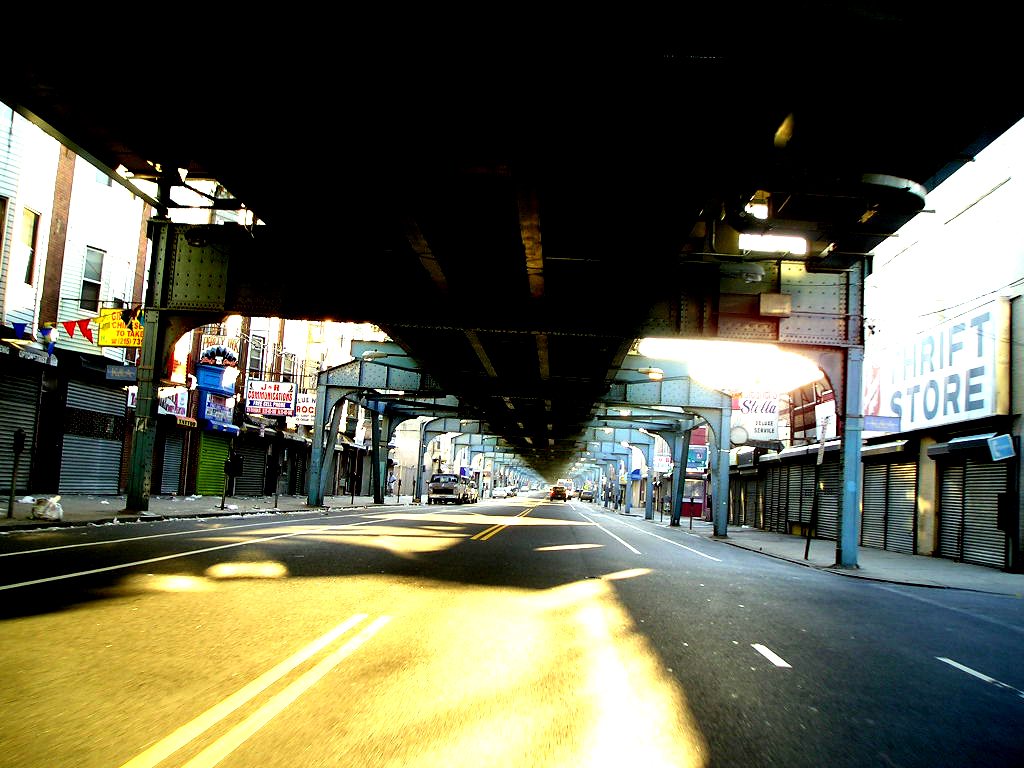
A few blocks east, toward Front Street, the raised tracks of the Market-Frankford Line rattle overhead on a regular cadence, throwing stripes of shadow and light across the pavement underneath. Locals call it the el without thinking twice, and it's still the fastest way to get here without a car, connecting Fishtown to Center City in about fifteen minutes.

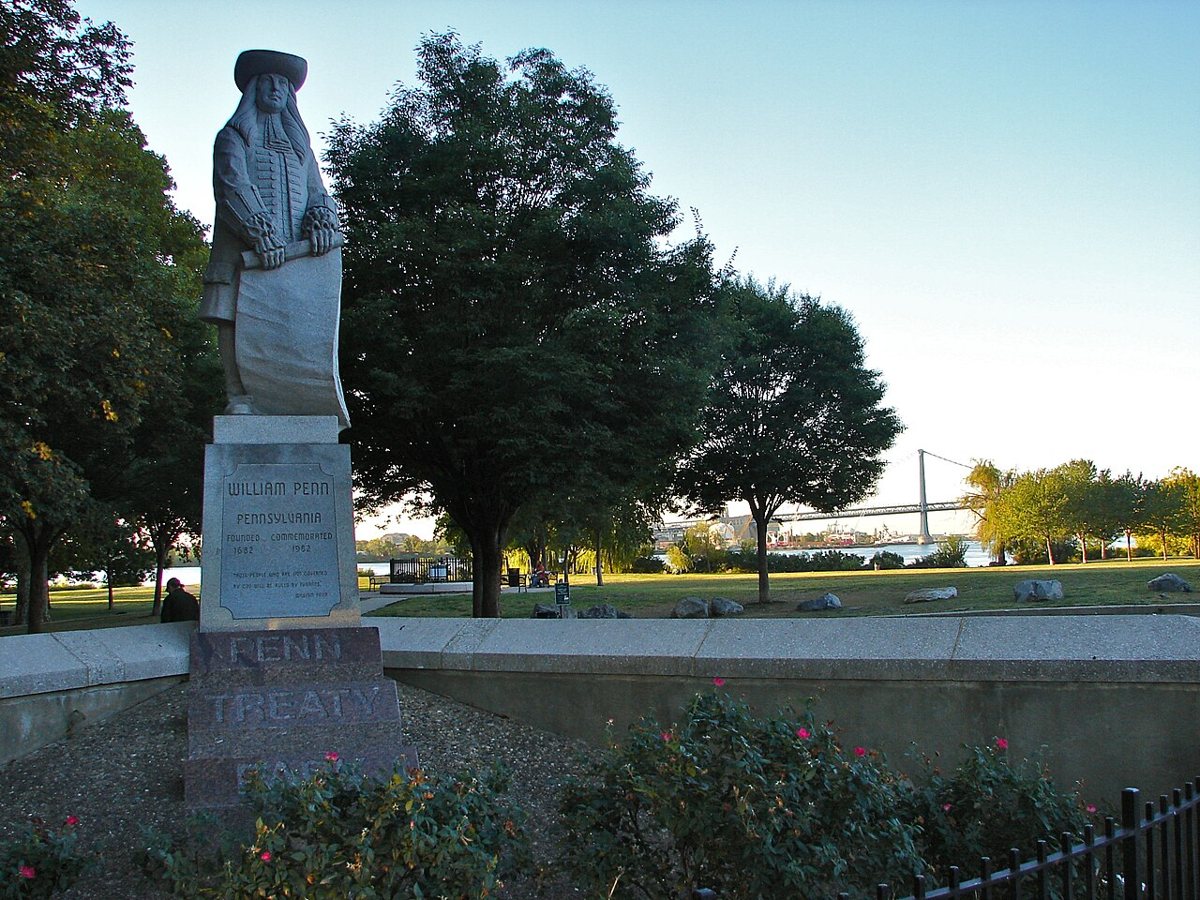
Once brunch wraps, the neighborhood's other draw is the water. Fishtown got its name from the shad fishing that happened along the Delaware in the eighteenth and nineteenth centuries, and the river is still the natural release valve after a heavy plate of eggs and potatoes. Penn Treaty Park sits right on the waterfront, a stretch of open lawn where William Penn is said to have signed a treaty with the Lenape under an elm tree, and on a clear morning it fills with people walking off brunch, tossing a ball, or just sitting on the grass watching the barges go by.

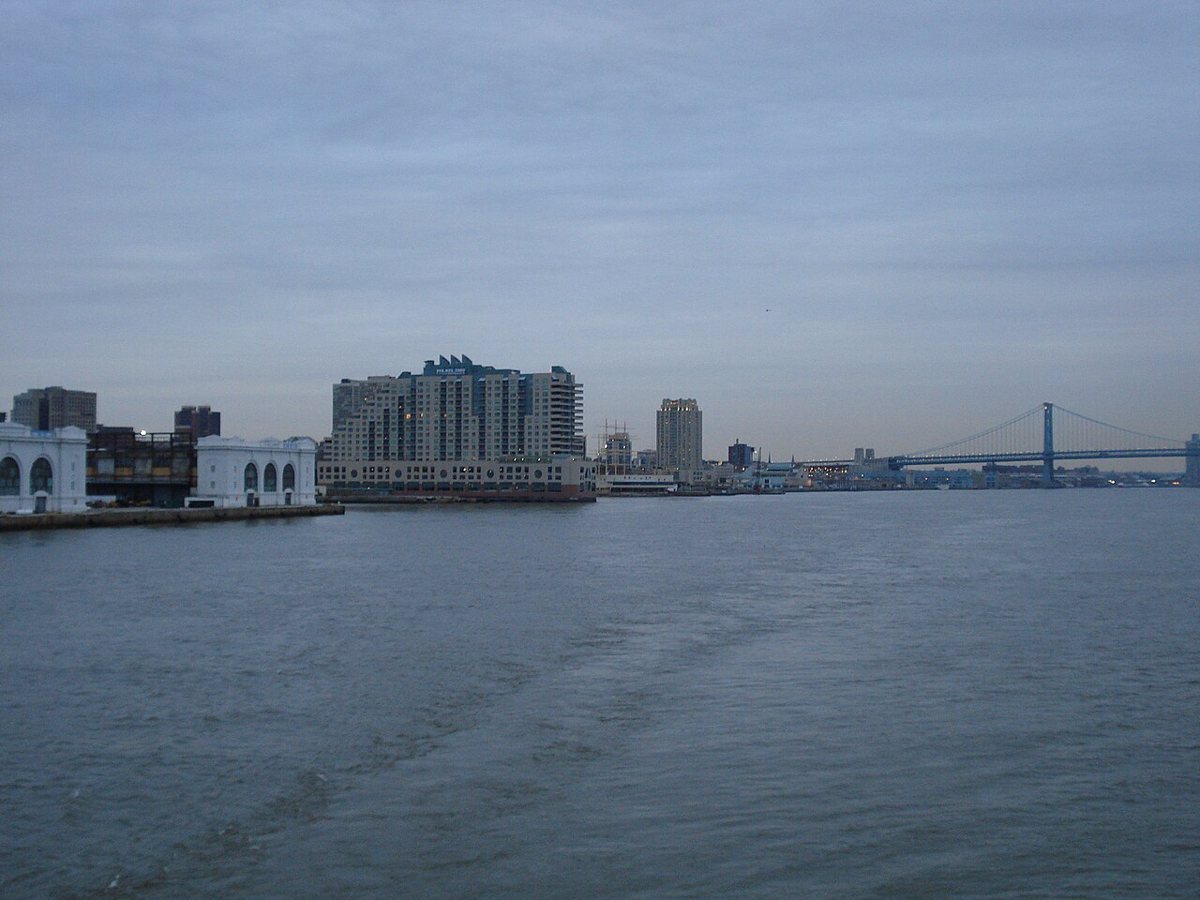
The broader Delaware River waterfront stretches south from there, connecting toward the piers and trail systems that Philadelphia has spent the last fifteen years reclaiming from old industrial use. A post-brunch walk along the water is as much a part of the Fishtown ritual as the meal itself, especially in the warmer months when the benches fill up by early afternoon.

For a smaller, quieter green space closer to the heart of the neighborhood, Palmer Park offers a compact patch of shade and benches, useful if you want a five-minute breather between brunch and whatever shop-browsing comes next, without committing to the full walk down to the river.
How Fishtown's Working-Class Roots Still Shape the Table
The easy narrative about Fishtown is gentrification, and there's truth in it, rents climbed hard and fast starting in the mid-2000s. But the neighborhood's brunch scene actually reflects something more layered than a simple before-and-after. The rowhouses that hold half these restaurants used to hold dockworkers and factory families, and that history shows up in details that have nothing to do with irony: portions that don't apologize for being generous, a comfort with pork and potatoes and butter, a refusal to charge Center City prices for a plate of eggs even as rents around them have risen. The creative-class wave that moved in didn't erase that. It layered a coffee-forward, design-conscious sensibility on top of it, which is why you can sit in a restored storefront with factory windows and order something that would have looked equally at home on a diner counter fifty years ago.
That tension, plain food made with real technique, in rooms that clearly cost money to renovate, is the actual character of a Fishtown brunch. It's not trying to be a destination restaurant playing dress-up as a neighborhood joint. It's a neighborhood joint that happened to get good at espresso.
Longtime residents notice the shift most in small things: what used to be a corner bar serving eggs to third-shift workers is now a corner bar serving eggs to graphic designers, and the eggs are frankly better now, cooked with more attention and sourced from farms rather than a bulk-food distributor. Nobody who grew up here begrudges the better eggs. They push back only on a place that forgets whose neighborhood it's borrowing its character from.
What to Order and What to Skip
A few rules of thumb, gathered from years of Saturday mornings on these blocks. Order the potatoes as a genuine test of a kitchen's attention span, since a soggy home fry says more about a place than a fussy egg dish ever will. Ask what's baked in-house before ordering the biscuit or the toast, because a neighborhood with this many serious bakers doesn't have much patience for a shortcut. When a menu offers a scrapple option, take it seriously rather than treating it as a novelty; done right it's a crisp, savory anchor for a plate that otherwise leans sweet. Skip anything described as a "deconstructed" version of a diner classic unless you actually want to pay more for less food arranged more slowly. And if a coffee shop grinds beans from a roaster with a Fishtown address, order the black coffee before the flavored latte, since that's usually where the real craft is on display.
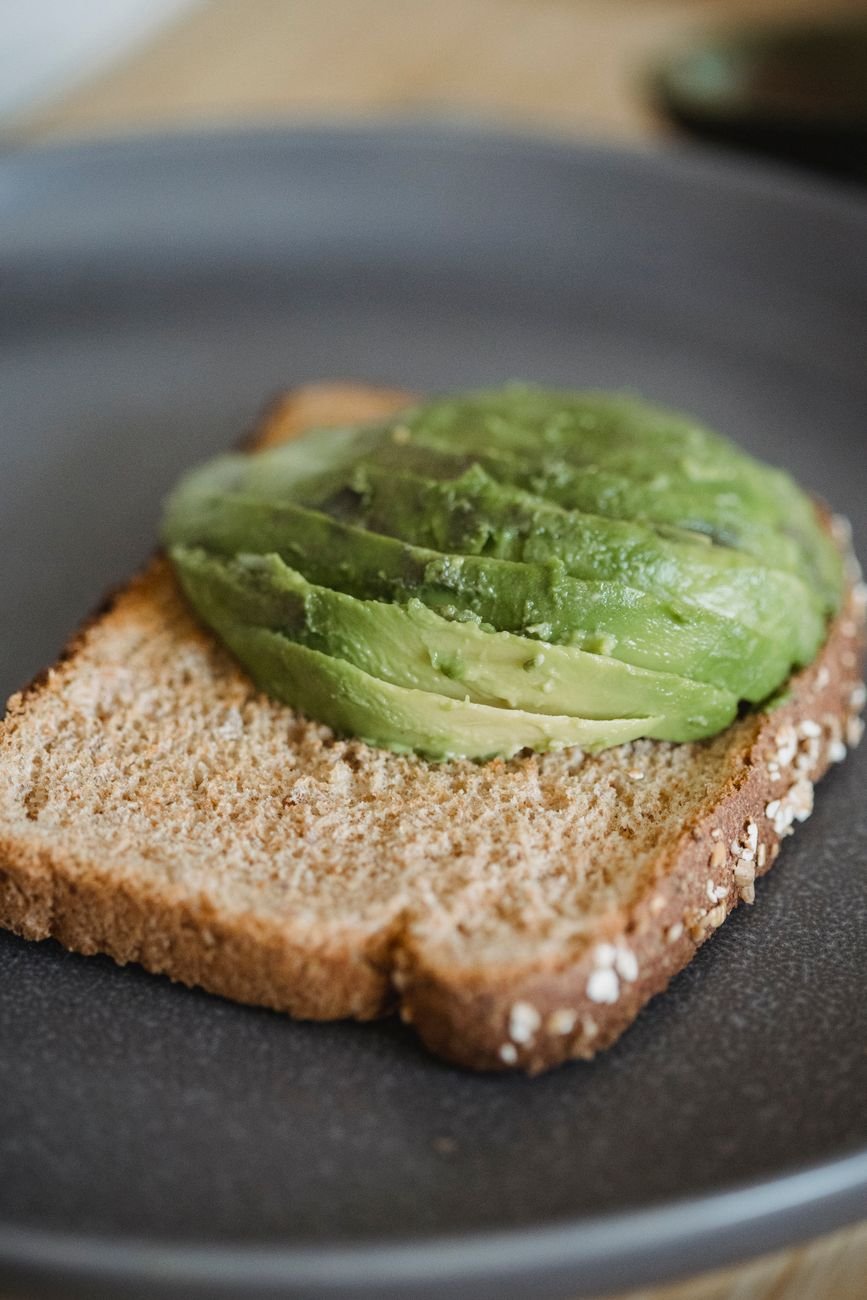
Pay attention to bread, too. A neighborhood with this much baking talent tends to reveal itself in the toast basket, and a kitchen that bothers to source or bake its own loaf usually extends that same care to everything else on the plate. If the toast is an afterthought, take that as a signal about the rest of the menu.
Brunch Through the Seasons
Fishtown brunch shifts with the calendar more than people expect. Summer means sidewalk tables, longer lines, and a lot more foot traffic spilling over from the riverfront and Penn Treaty Park. Fall brings shorter waits and a menu shift toward heartier, spice-forward specials as kitchens lean into squash and apple season. Winter is, honestly, the best-kept secret of the whole calendar: fewer tourists, shorter lines even on weekends, and a coziness inside these small storefronts that a crowded July morning can't match. Spring splits the difference, with the first warm Saturday of the year reliably producing the longest wait times of the season as everyone tries to reclaim a sidewalk table at once.
The Coffee-Roasting Undercurrent
No conversation about the best brunch in Fishtown gets far without acknowledging the coffee. This is a neighborhood with an outsized concentration of people who roast beans for a living, not just brew them, and that culture didn't stay contained to standalone cafes. It bled into brunch menus everywhere, so that even a full-service restaurant with a wine list and a brunch cocktail menu will often put real thought into its drip coffee and espresso rather than treating it as an afterthought poured from a gas-station-grade machine. If you're the type who judges a restaurant by its coffee before the food even arrives, Fishtown rewards that instinct more than most Philadelphia neighborhoods.
Planning a Full Fishtown Morning
Pair a brunch stop with the wider Fishtown dining map if you're visiting for a full weekend and want backups mapped out before you arrive, since a wait at your first choice shouldn't derail the whole morning. Start early if you hate lines, or embrace the late window if you'd rather browse Frankford Avenue's shops first and eat after the crowd thins. Build in the walk to the water regardless of which category of brunch you choose, because that's the part of the day locals actually protect on their calendars, more than any specific reservation. With a whole day to give it, make a full day of it and let the meal anchor the morning rather than end it.
The Bottom Line
Fishtown didn't invent brunch, and it doesn't pretend to. What it did was take a working-class Sunday morning, a wave of cooks and roasters who moved in and stayed, and a genuine BYOB culture, and mash them into something that feels specific to these blocks rather than imported from somewhere else. The best version of a Fishtown brunch isn't the one with the longest line or the fanciest cocktail list. It's the one where the potatoes are crisp, the coffee was roasted by someone who cares, and you walk out full enough to make it all the way to the river before you need to sit back down.