Things to Do in Fishtown: The Local Guide
Frankford Avenue, the El overhead, and a neighborhood that turned from a fishing village into Philadelphia's music and beer capital without ever quite deciding how it feels about it.
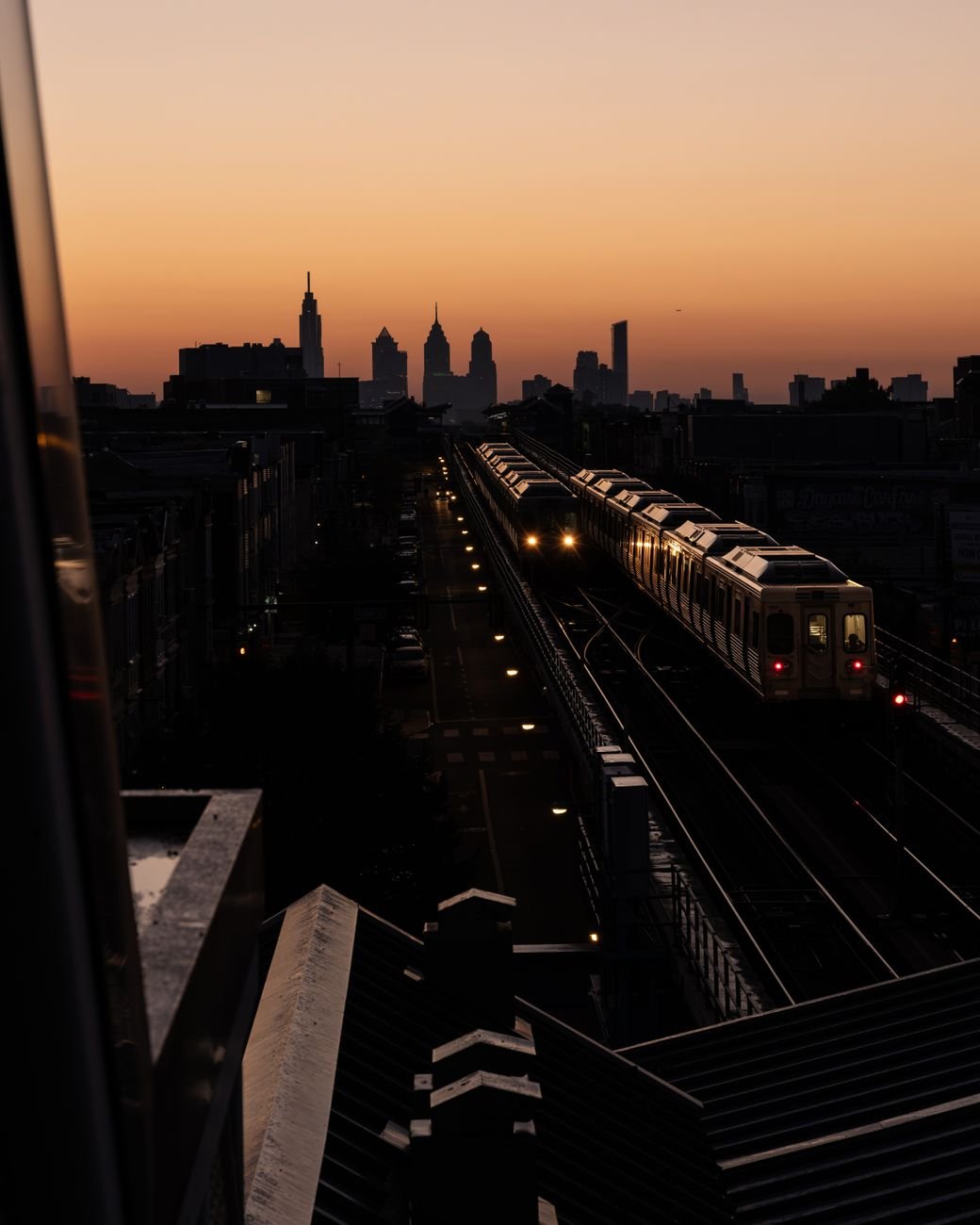
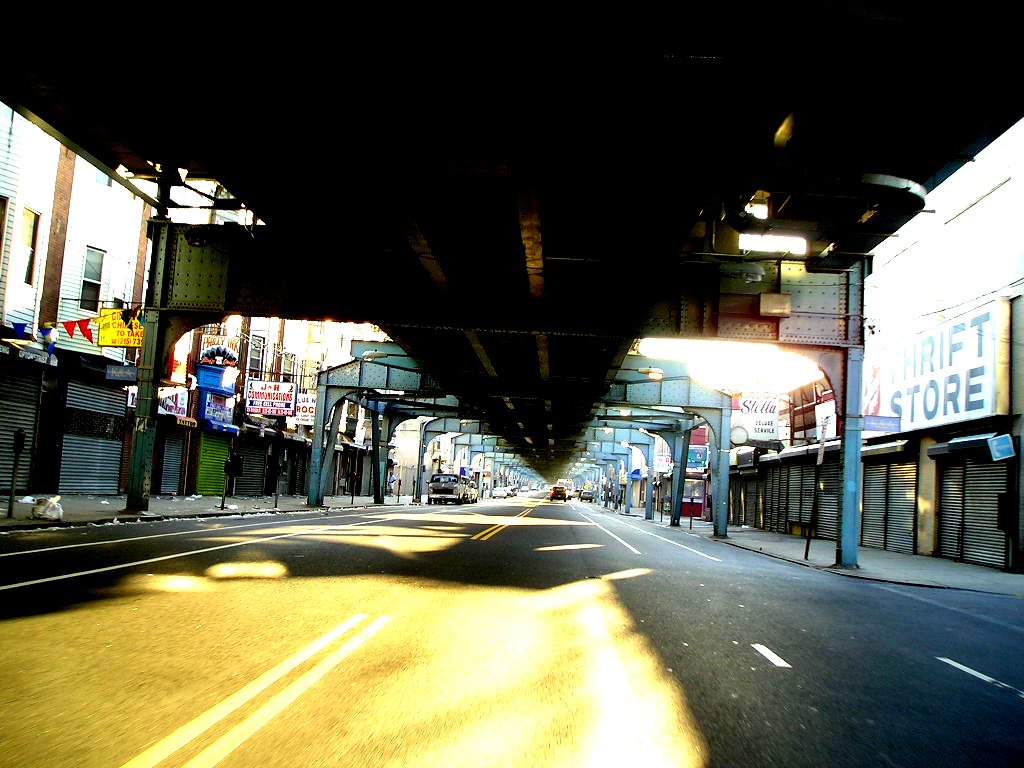
Frankford Avenue runs northeast out of the Delaware waterfront under the steel skeleton of the Market-Frankford Line, and if you're mapping out things to do in Fishtown, that avenue and the tracks above it are where the neighborhood actually happens. The El clatters overhead every few minutes, dropping riders at Girard, then York-Dauphin, then Berks, spitting them onto sidewalks that used to smell like a fish cannery and now smell like cold brew and hop oil. Its name comes from the shad fishermen who worked the Delaware's shallows here two centuries ago. The neighborhood held onto its blue-collar bones through decades when nobody outside it wanted to live here, and it has spent the last stretch of years absorbing artists, musicians, brewers, and plenty of developers without fully losing the row-house grit that made it Fishtown to begin with.
This is not a neighborhood built around one plaza or one big attraction. The neighborhood is a strip, mostly Frankford Avenue and the streets that feed into it, plus a waterfront that's finally becoming useful again after a century of industrial neglect. You walk it. You duck into a bar, then a coffee shop, then a record store, then another bar. Below is the real rundown, stretch by stretch, of what's worth your time, what's overhyped, and what a lifelong Philadelphian actually tells a friend visiting from out of town.
Before any of that, Fishtown was a factory neighborhood, its blocks packed with textile mills, shipyards, and the tanneries and fisheries that gave the place its name. The docks and factories dried up over the back half of the twentieth century, along with a lot of the jobs that kept the row houses full. What Fishtown had left after that decline was cheap real estate and a short ride to Center City, two things that eventually pulled in exactly the kind of tenants who turn a quiet, struggling neighborhood into a magazine feature: musicians who needed practice space, artists who needed studios, and bar owners willing to bet on a street nobody else wanted yet.
Things to Do in Fishtown: Getting Your Bearings
Fishtown sits between Northern Liberties to the south and Kensington to the north, bounded roughly by the Delaware River on the east and the train tracks near Frankford Avenue's western edge. Most visitors get in and out along Frankford Avenue itself, a corridor that runs for a couple miles and changes character block by block. Near Girard it's still scrappy, closer to its industrial roots. Further north past Norris it gets denser with restaurants and shops. The waterfront section, down toward Delaware Avenue, is where the newest money has landed hardest, with a music venue and townhouses that would have been unthinkable here twenty years ago.
The best way to see any of it is on foot. It rewards wandering more than planning, and most of what's worth finding sits within a fifteen-minute walk of Frankford Avenue itself. Save the car for getting into the neighborhood, not for getting around inside it.
The honest version of Fishtown's story is a gentrification story, and anyone writing about it without saying so is lying to you. Rents here have climbed past what a lot of longtime residents can carry, and the neighborhood's Polish and Irish Catholic families who worked the docks and factories have been thinning out for years. What's replaced a chunk of that population is younger, whiter, and considerably richer, drawn by exactly the bars and coffee shops this guide is about to send you to. That tension sits under the surface of every recommendation below. Go, spend your money, but don't pretend Fishtown is some scrappy secret. It's been discovered for a long time now. Walk a few blocks off the main avenue and you'll still find the version of Fishtown that predates all of it: rowhouse blocks with statues of the Virgin Mary in front windows, corner taprooms with Eagles flags and no cocktail menu, and churches built for congregations that have shrunk by half. Both versions of the neighborhood are real. Neither one is going anywhere fast.
The Music Venues That Made Fishtown's Name
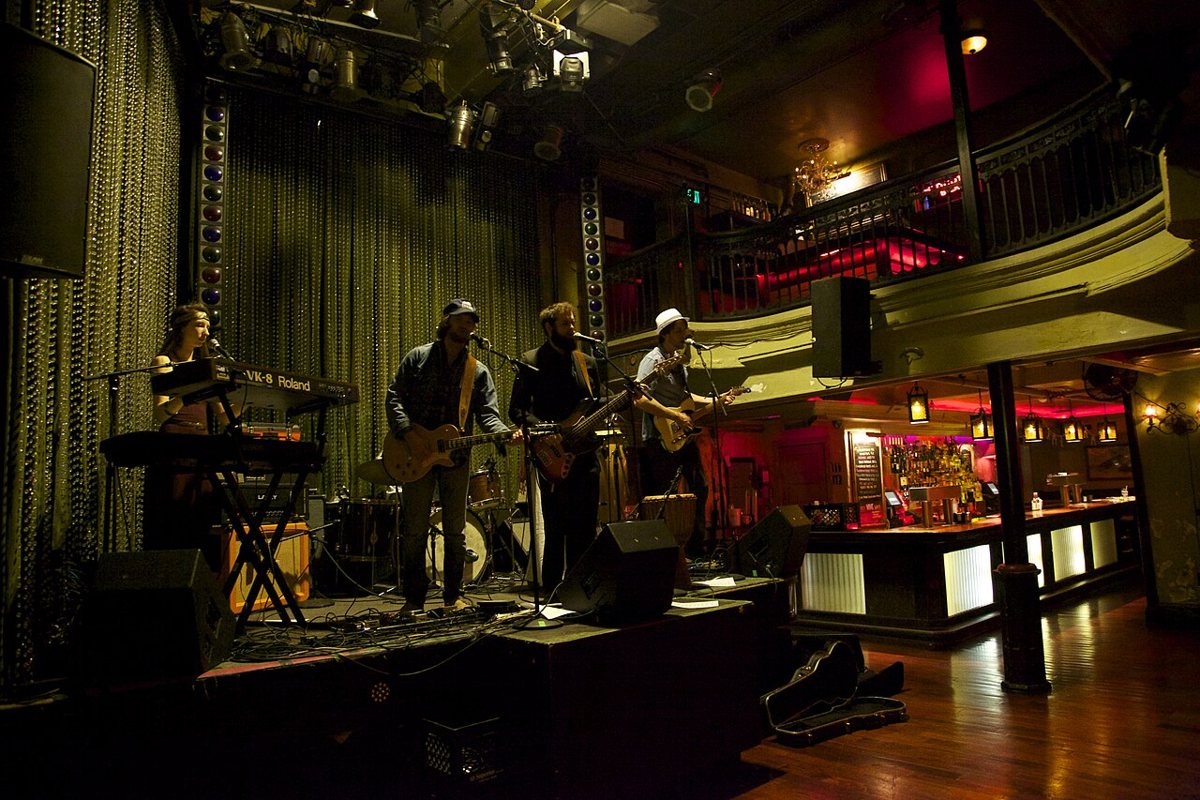
Fishtown's reputation as Philadelphia's music neighborhood didn't happen by accident. A cluster of venues, most of them still independently run, turned Frankford Avenue into the place touring bands play the night before or after their bigger Center City show, and where local acts build a following long before anyone outside Philly has heard of them. Ask a musician who's played both rooms and Center City clubs which crowd they'd rather have, and Fishtown usually wins.
Johnny Brenda's
Johnny Brenda's is the corner bar and upstairs music room that a lot of people, fairly or not, credit with kicking off Fishtown's turnaround. It's a working-class tavern building with a kitchen that takes food seriously and a second-floor room that's hosted touring indie acts for longer than most Fishtown newcomers have lived in the city. The bar downstairs works fine on its own if there's no show. Buy tickets ahead for anything upstairs, since the room is small and sells out easily. It sits right at the corner of Frankford and Girard, the unofficial southern gateway to the neighborhood.

Kung Fu Necktie
Kung Fu Necktie is smaller, louder, and less polished than Johnny Brenda's, and that's the point. This is a proper rock club, dark and a little sticky in the way a real venue should be, booking punk, garage, hip-hop, and whatever else doesn't need a seated crowd. It sits a few blocks up Frankford from Johnny Brenda's. Go on a weeknight for a local bill and you'll get a real sense of what Fishtown sounds like when nobody's performing for tourists.
The Fillmore Philadelphia
The Fillmore is the big room, a proper mid-size concert hall down near the waterfront end of the neighborhood, built inside a former factory complex. It draws national touring acts that outgrew the smaller Frankford Avenue clubs but aren't quite arena-sized yet. The main hall holds a real crowd, and a smaller room attached handles support acts and lower-key bookings. The standing-room floor fills fast for popular shows, so if you want to actually see the stage, get there when doors open rather than during the opener.
Beyond the three venues above, Fishtown's smaller stages rotate constantly, tucked into comedy back rooms, DIY spaces, and bars that book a band two nights a week without advertising much beyond a flyer taped to the door. Checking listings the week you're actually in town beats planning a trip around any single act months out.
Breweries and Bars Along Frankford Avenue
This neighborhood drinks. That's not an insult, it's a fact of the local economy, and the strip along and around Frankford Avenue has more breweries, taprooms, and bars per block than almost anywhere else in the city. If you're hunting for a good Philly brewery, you could spend an entire weekend here without leaving a fifteen-minute walk.
Frankford Hall
Frankford Hall is a German-style beer garden with long communal picnic tables, a big outdoor space, and a menu built around bratwurst and pretzels. It's owned by a restaurant group with a heavy footprint across the city, so it reads a bit more polished than a neighborhood dive, but it's genuinely fun on a warm evening with a group. Rough area: right on Frankford Avenue, easy walking distance from Johnny Brenda's.
Evil Genius Beer Company
Evil Genius started as a contract brand before opening its own taproom in the neighborhood, and it's built a following on beer names that are funnier than most breweries would risk. The taproom itself is straightforward: a working brewery visible from the bar, rotating taps, and none of the pretense that sometimes creeps into craft beer spaces. It's a solid stop that holds its own next to bigger names across the city.
Barcade
Barcade is exactly what it sounds like, a bar lined with dozens of restored vintage arcade cabinets, all set to a single token per play. It's grown into a small chain with outposts in several cities, and the Fishtown location still works. Show up on a weeknight if you actually want a turn on the good machines. Weekends get packed with people three deep behind every cabinet.
None of this covers Fishtown's plain old neighborhood bars, the ones without a brand or a beer garden, just a jukebox, a pool table, and regulars who've claimed the same stool for years. Those bars rarely land on anyone's list, which is exactly why they're still worth ducking into if you want a night that doesn't feel packaged for you.
Coffee Before Anything Else
The neighborhood runs on caffeine nearly as hard as it runs on hops, and the neighborhood's coffee scene is arguably as influential citywide as its music venues.
La Colombe Coffee Roasters
La Colombe's Fishtown location is the roastery, the original flagship that turned a Philadelphia coffee company into a brand you'll now find bottled in grocery stores from coast to coast. The space is industrial and cavernous, roasting equipment visible from the seating area, with enough room to actually sit and work instead of getting pushed out the door. Mornings bring a steady line of neighborhood regulars, but the space is big enough that you'll still find a seat.
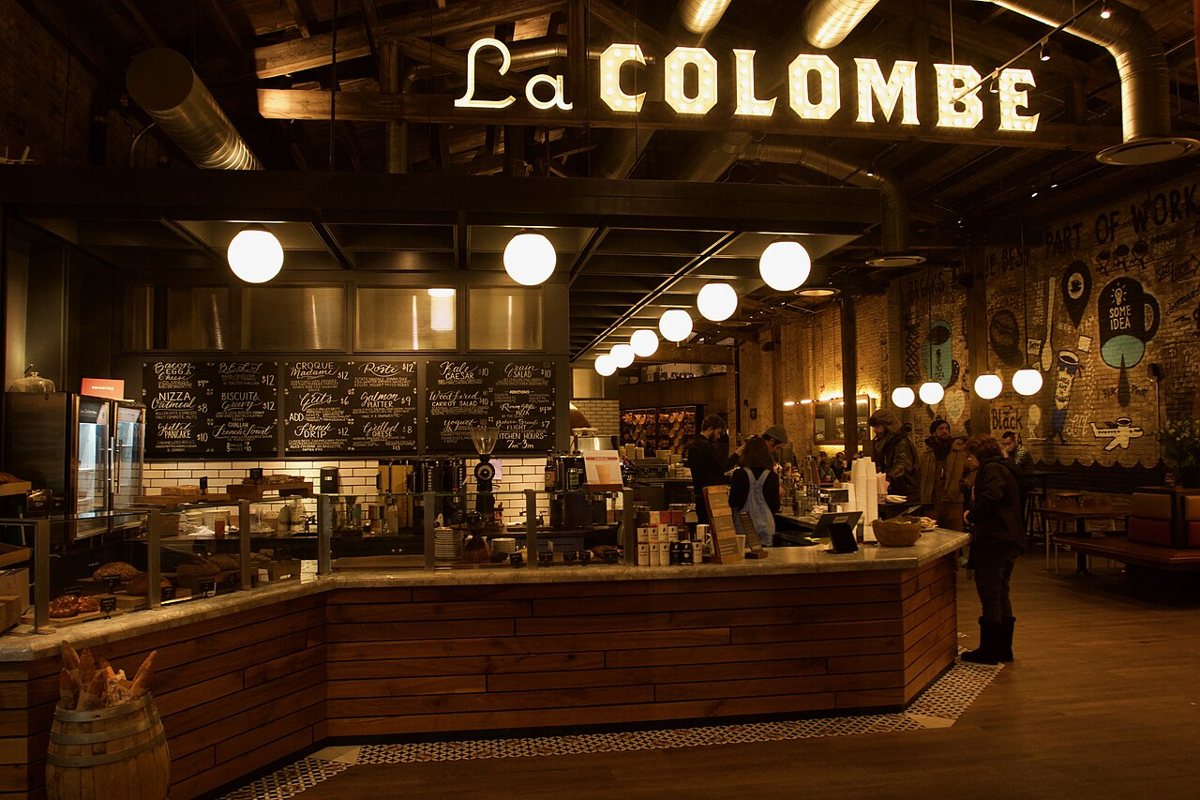

La Colombe isn't the only reason to linger over coffee here. Independent shops keep opening on the smaller cross streets, usually single-location operations with a handful of tables and a regular crowd of freelancers who've claimed Fishtown as their office. If the roastery's crowd feels too loud, one of the smaller shops a block or two over usually has room to sit.
Where Fishtown Eats
Fishtown's food scene split into two lanes a while back. One lane is BYOB dining rooms doing serious, chef-driven food in small storefronts, the kind of places that helped rewrite what Philadelphia dining meant outside Center City. The other lane is the neighborhood's older, cheaper backbone: the pizza slice joints, sandwich counters, and corner bars that were feeding Fishtown before anyone wrote about it in a magazine.
Wm. Mulherin's Sons
Wm. Mulherin's Sons occupies a former whiskey-blending building down near the waterfront, with a wood-fired restaurant on the ground floor and a small inn upstairs. It's one of the clearest examples of what new Fishtown money looks like: gorgeous exposed brick and an Italian-leaning menu, with prices that would have been unthinkable here a generation ago. Order the wood-fired pizza and don't expect a bargain.
Sancho Pistola's
Sancho Pistola's is a Mexican restaurant and bar on Frankford Avenue that's been a reliable neighborhood hang for tacos and margaritas for years. It's louder and more casual than the fine-dining BYOBs nearby, with a rooftop that fills up fast in warm weather. Rough area: mid-Frankford Avenue, walkable from most of the music venues above.
Brunch is its own institution here, with lines forming outside a handful of spots most Sunday mornings regardless of the weather. If you're allergic to waiting, eat late morning on a weekday instead, or accept the line as part of the ritual. Fishtown's chefs have also leaned hard into small-plate, natural-wine dining rooms over the past several years, the kind of restaurants that helped build Philadelphia's reputation as a serious food city well beyond cheesesteaks and hoagies.
A note on the food that actually built this city: Fishtown isn't where you'll find the oldest cheesesteak counters, those live in South Philly, and if you want a proper cheesesteak the debate over Whiz versus provolone is a South Philly argument first. But you'll still find pizza by the slice, roast pork sandwiches, and a soft pretzel or two tucked into corner shops that predate every brewery on this list. And when summer hits, chase down water ice, not "Italian ice," a Philadelphia institution the whole city defends whether or not you're standing in the neighborhood that invented it.
Shops and Storefronts Worth a Detour
Frankford Avenue's retail mix has shifted from hardware stores and corner markets toward vintage clothing, independent record shops, home goods boutiques, and small galleries. None of it is destination shopping in the mall sense, but wandering it on foot is genuinely the best way to spend an unstructured afternoon in the neighborhood, ducking into whatever jawn looks interesting from the sidewalk. Storefronts turn over often enough that naming specific shops here risks being out of date within a year, so treat the avenue itself as the attraction.
- Vintage and secondhand clothing shops cluster in the blocks north of Girard.
- Independent galleries and small studio spaces show up on side streets off the main avenue.
- Record and book shops rotate through storefronts near the avenue's midpoint.
- Home goods and small furniture shops tend to sit on the quieter blocks north of Berks.
Keep an eye on the walls while you walk. Philadelphia's mural arts program, the largest public art effort of its kind in the country, has left pieces scattered through Fishtown and the neighborhoods around it, tucked onto the sides of buildings you'd otherwise walk past without looking up.
The Waterfront: Penn Treaty Park
Penn Treaty Park sits along the Delaware River at the edge of Fishtown, marking the spot where William Penn is said to have signed a treaty with the Lenape under an elm tree, a story that's more legend than documented fact but has stuck for centuries regardless. Today it's a straightforward riverfront park: open lawn, walking paths, a fishing pier, and one of the few unobstructed water views in this part of the city. It's not flashy, and that's the appeal. Come at sunset, when the light hits the river and the Ben Franklin Bridge glows in the distance. Be warned, there's little shade, so summer afternoons get brutal out there. Morning or evening is the better window.
The park connects to a paved riverfront trail that runs both directions along the Delaware, useful if you'd rather bike or jog than sit on a bench. It's flat, well used, and gives you a longer, quieter look at the water than the park alone offers, especially early in the morning before the rest of the neighborhood wakes up.
Getting There, Getting Around, and When to Go
The Market-Frankford Line, universally called the El, is the easiest way into Fishtown from Center City. Girard station drops you at the neighborhood's southern edge near Johnny Brenda's, while York-Dauphin and Berks put you further into the heart of Frankford Avenue. The ride from Center City takes only a few stops and beats fighting for street parking, which is genuinely difficult most evenings and close to impossible on weekend nights near the music venues. A handful of bus routes also cut through the neighborhood if the El doesn't line up with where you're staying, though most visitors find the train faster and easier to navigate.

If you're driving anyway, arrive early and expect to walk a few blocks from wherever you find a spot. Weeknights run calmer across the board, better for actually getting a table at a busy restaurant or a good spot at the bar rather than standing three deep. Weekends bring out both the neighborhood's own crowd and everyone visiting from the suburbs, which means longer waits and a louder, younger scene overall. Late spring through early fall is the best stretch for the waterfront and any beer garden seating, though Fishtown's indoor venues and bars run fine year-round.
Fishtown also hosts outdoor festivals and street fairs on Frankford Avenue through the warmer months, closing the street to cars for a day of vendors and live music. Check what's scheduled before you plan a visit around it, since the lineup shifts year to year, but expect the avenue to be at its most crowded and most fun during one of those stretches.
The neighborhood is generally comfortable to walk at night along the main commercial strip, though its edges blend into blocks that are still rougher around a few corners, particularly toward Kensington to the north. Stick to Frankford Avenue and the waterfront after dark and you shouldn't have any trouble.
The Bottom Line on Fishtown
Fishtown earns the attention it gets, even if the neighborhood's older residents have paid a real price for it. The music venues are legitimately good, not just good for Philadelphia. The beer is worth the walk. The waterfront finally gives the neighborhood a reason to face the river instead of turning its back on it. What you won't find is some untouched, undiscovered corner of the city waiting to be revealed. Fishtown knows exactly what it's become, and it stopped pretending otherwise a while ago. Go anyway. Walk Frankford Avenue end to end, let the El rattle overhead, and eat something you didn't plan on. Don't act surprised when the bar is full. That's the neighborhood working exactly as intended, for better and for worse, and it's not slowing down for anyone's nostalgia, including ours.