Spring Things to Do in Philadelphia: A Local's Guide
From cherry blossoms at Shofuso to the first crowded Saturday at the Italian Market, here is where Philadelphia actually spends its spring, park by park, market by market, neighborhood by neighborhood.
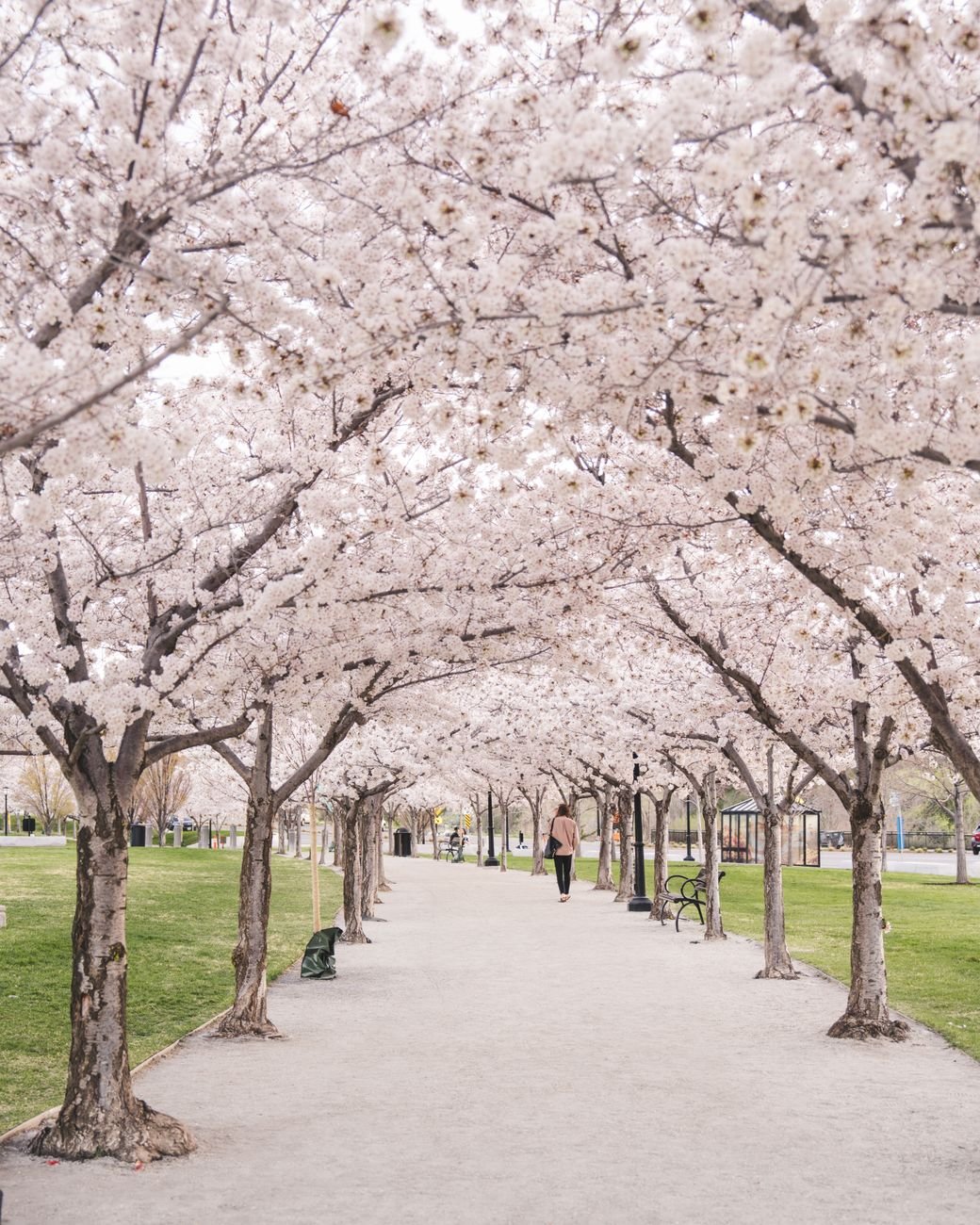
The first proof that winter is finally done in Philadelphia doesn't come from a calendar. It comes from West Fairmount Park, where the cherry trees around the Japanese house go from bare branches to pink clouds in about a week, and every phone in a two-block radius comes out at once. Ask ten Philadelphians to name their spring things to do in Philadelphia and you'll get ten arguments, not a list, because this is a city that takes its seasons personally. After a winter that always feels a month too long, the first real warm Saturday turns Kelly Drive into a parade of runners, the outdoor cafes on 13th Street fill back up, and Reading Terminal Market gets loud again in the good way. Spring here is short and a little unreliable, one week you need a parka, the next you're sweating through a t-shirt at a Phillies day game, but it is also the best stretch of the year to actually see the city, on foot, before the summer humidity sets in and everyone retreats indoors with a window unit running.
This guide skips the postcard stuff you already know and gets into where a person who actually lives here spends the first good months of the year: the parks that make Philadelphia one of the greenest big cities in the country, the markets that have fed this town for over a century, the waterfront that used to be industrial and is now where everyone wants a beer at 6pm, and the neighborhoods that reward a slow walk more than a checklist ever could.
Spring Things to Do in Philadelphia: Parks, Trails, and Gardens
Philadelphia's park system is bigger than most visitors expect, and locals treat it less like scenery and more like infrastructure. Fairmount Park, in its various connected pieces, is one of the largest urban park systems in the country, and spring is when the whole thing wakes up at once. This is where the season actually happens.
Shofuso Japanese House and Garden
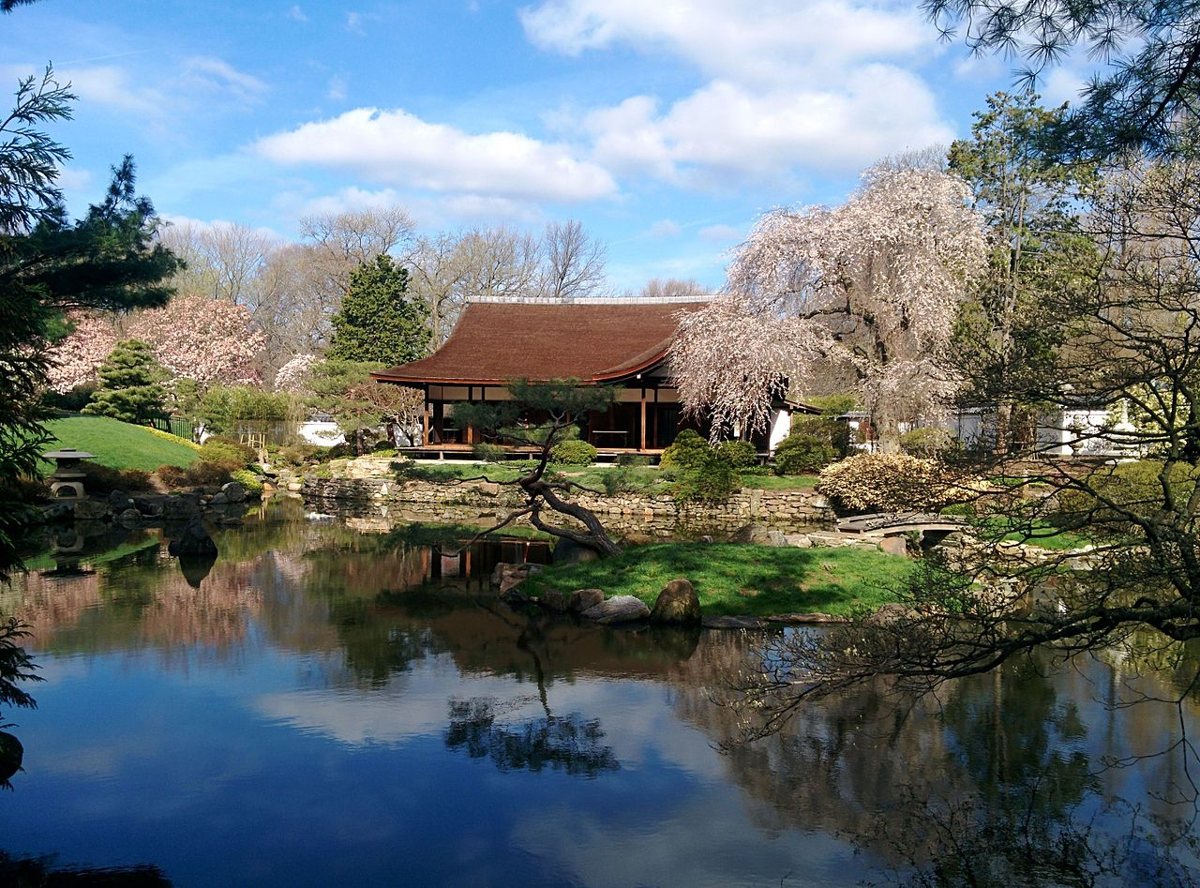
Tucked into West Fairmount Park near Horticultural Hill, Shofuso is a traditional Japanese house built in the mid-1950s, set beside a koi pond and a hillside garden that the Japan America Society of Greater Philadelphia stewards through the season. The cherry blossoms are the headline act, usually peaking in early April though the exact week shifts year to year, so anyone planning a trip around them should build in some slack rather than betting on a single date. Even after the petals drop, the garden is worth the walk, quiet in a way that feels almost like a rebuke to how loud the rest of the city can get. Shofuso typically operates on a seasonal schedule, open in the warmer months and closed over the winter, so check current hours before making the trip.

Wissahickon Valley Park
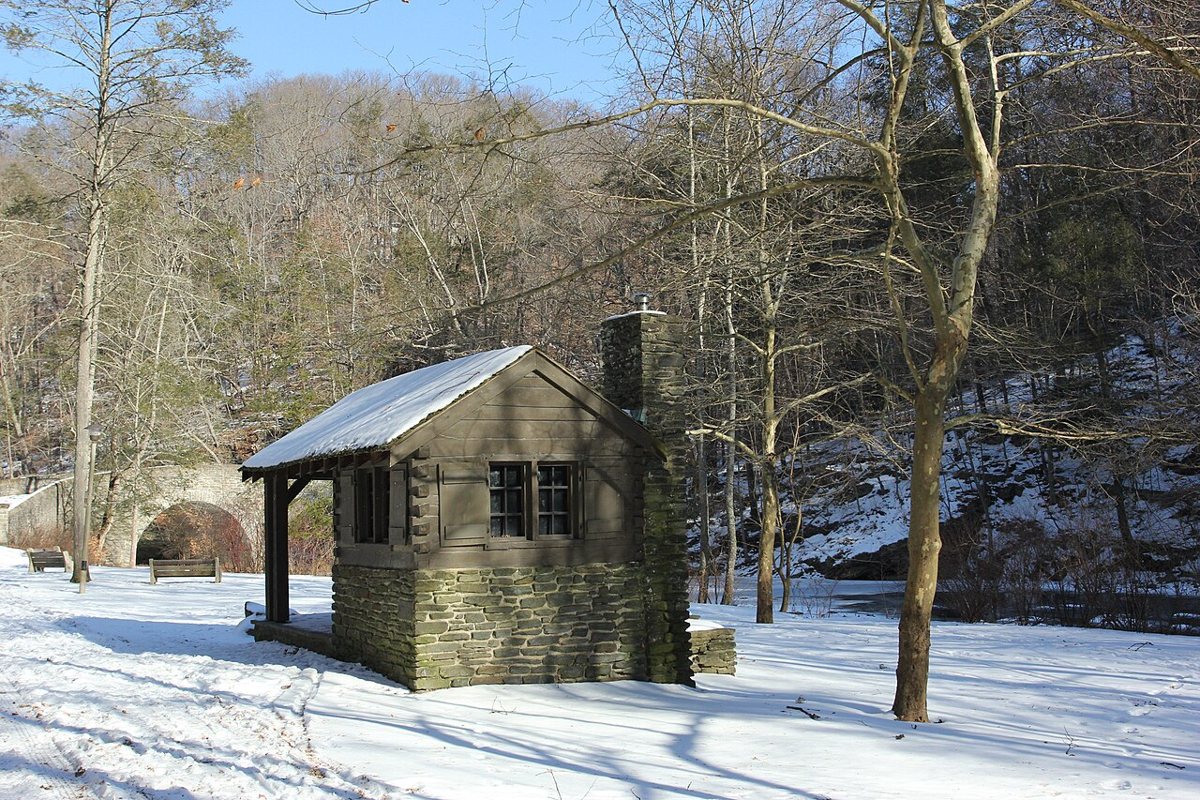
The Wissahickon is the part of Fairmount Park that makes out-of-towners do a double take, a forested gorge cut by Wissahickon Creek that feels more like the Poconos than a neighborhood fifteen minutes from Center City. Forbidden Drive, the main gravel path, runs for miles along the creek past the old covered bridge and Valley Green Inn, and in spring it fills with trail runners, mountain bikers on the side trails, and dog walkers who treat the place like a second home. Nothing replaces walking it yourself in April, when the creek is running high off snowmelt and the tree canopy hasn't fully filled in yet, so you get long sightlines through the woods that disappear by June. our guide to hiking the Wissahickon covers the specific trailheads if you want a plan instead of just wandering in off Lincoln Drive.

The Schuylkill River Trail
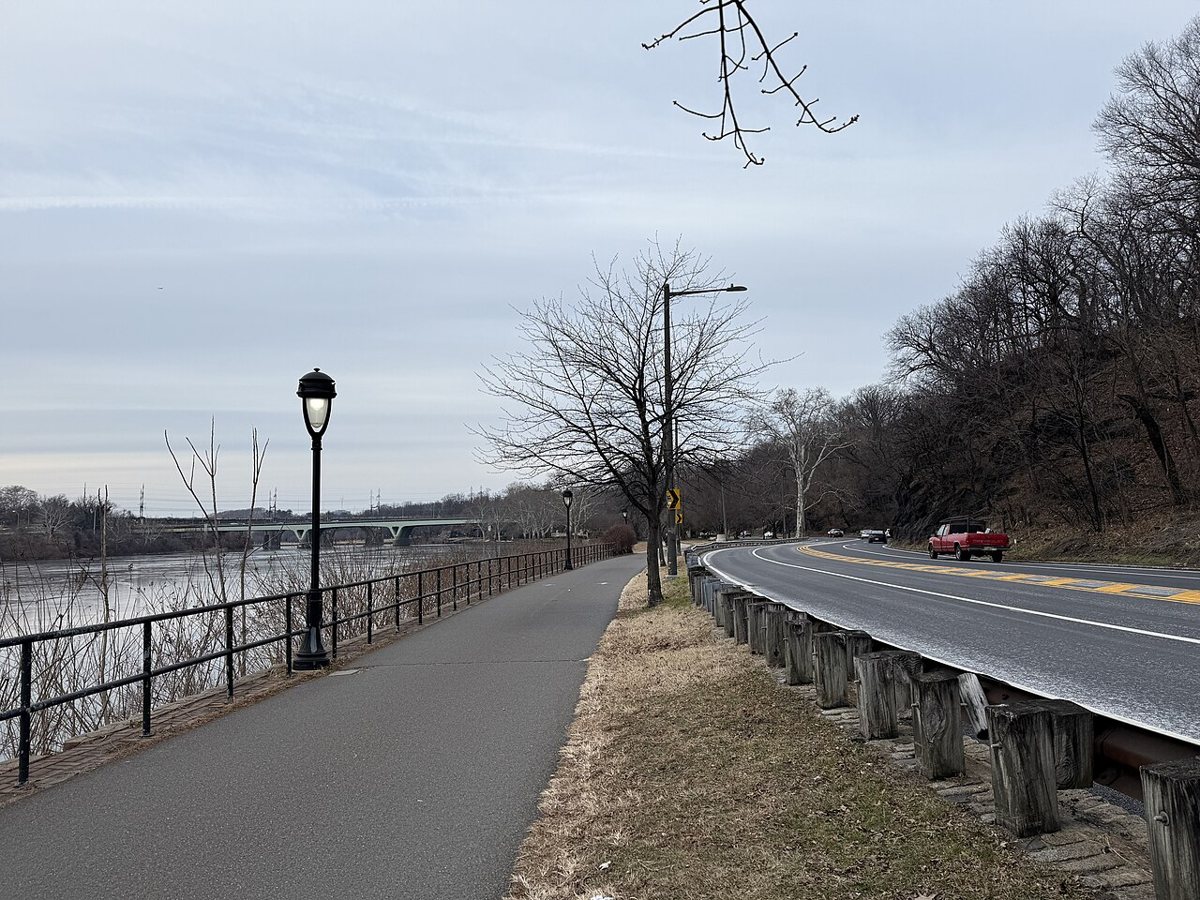
The Schuylkill River Trail is the spine that connects a lot of this list, a paved multi-use path that runs along the river from the art museum area through Fairmount, past Boathouse Row, and out toward Manayunk and beyond. On the first genuinely warm weekend of the year it turns into a slow-moving traffic jam of cyclists, joggers, and strollers, and that's part of the appeal. It's flat, it's scenic, and it connects several other stops on this list without ever requiring a car. Locals use it as a commuting route in the summer, but spring is when it's still uncrowded enough on weekday mornings to actually enjoy the river without dodging elbows.
Boathouse Row and Kelly Drive
Boathouse Row is the strip of Victorian-era rowing clubhouses along the east bank of the Schuylkill, home to some of the oldest rowing clubs in the country and the backdrop for roughly half of Philadelphia's postcards. Rowing season starts in earnest, and mornings along Kelly Drive bring out scullers gliding along the water while the rest of the city is still asleep. On weekends, stretches of Kelly Drive and MLK Drive across the river have historically closed to car traffic, turning the whole corridor into a pedestrian and bike thoroughfare, though schedules change from year to year, so it's worth checking current closures before you plan a route. Either way, this is the walk locals default to when someone visiting asks where to go for "a nice Philadelphia view."

Rittenhouse Square
Rittenhouse is one of William Penn's five original city squares, and it is still, three centuries later, the neighborhood's living room. By April it turns from a bare gray plaza into a green square packed with dog walkers, lunch-breakers from the office towers around it, and the occasional street musician working the crowd. It's small compared to the sprawling parks elsewhere on this list, and that's the point, it's a square you can walk across in five minutes but linger in for an hour with a coffee from one of the cafes ringing its edges. It also sits at the center of a genuinely walkable stretch of restaurants and shops, so it works as a starting point rather than a full afternoon on its own.
Bartram's Garden
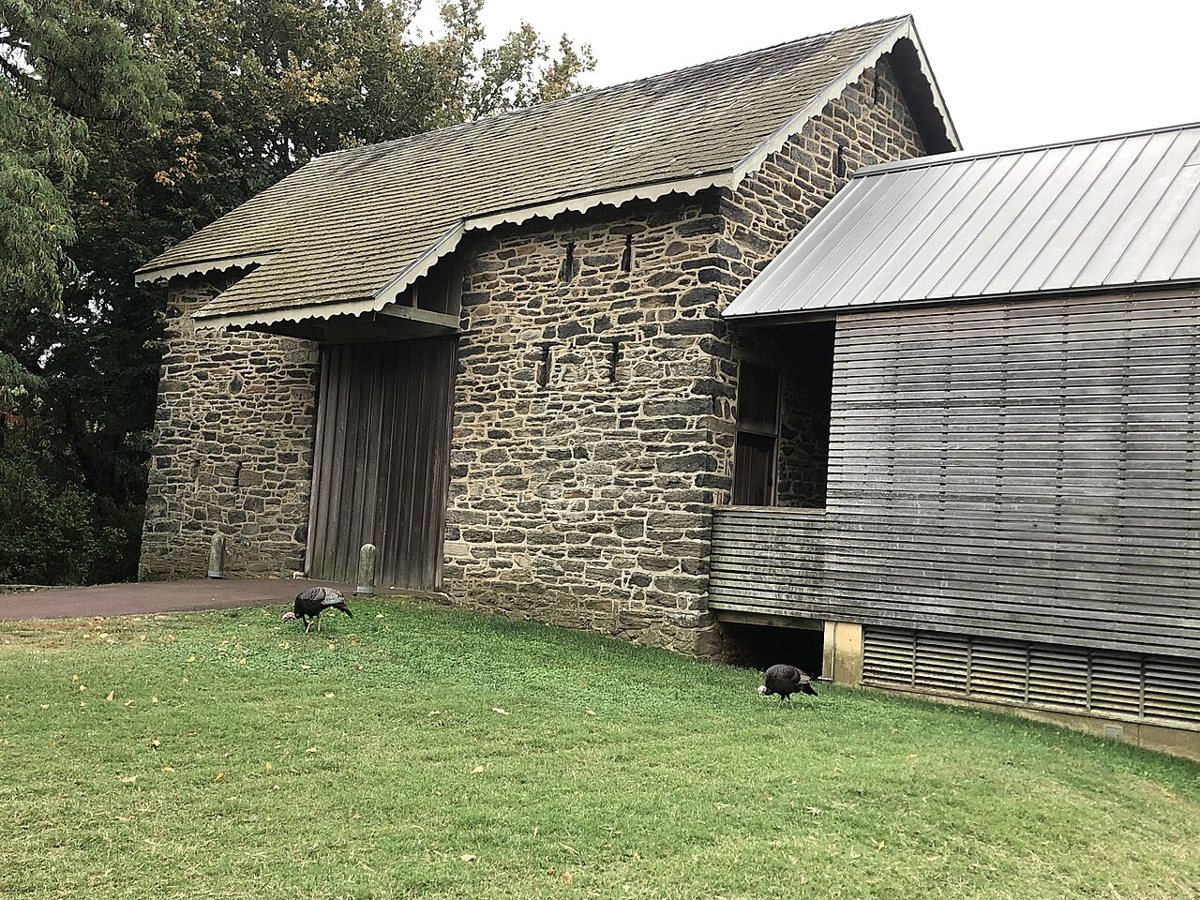
Bartram's Garden, on the Schuylkill in Southwest Philadelphia, is the oldest surviving botanic garden in North America, founded by the botanist John Bartram in the 1730s. The historic stone house still stands, but the real draw in spring is the mix of formal garden beds, a working community farm, a tidal wetland boardwalk, and a free public boathouse where you can rent a kayak and paddle a stretch of the river most visitors never see. It's less polished than some of the city's other gardens and better for it, a working landscape rather than a manicured one, and it's one of the few spots on this list where you can genuinely feel like you've left the city without actually leaving it.

Morris Arboretum and Gardens
Up in Chestnut Hill, the Morris Arboretum and Gardens is part of the University of Pennsylvania and spreads across more than a hundred acres of specialty gardens, including a rose garden, a fernery, and a raised treewalk that puts you at canopy height above the woods. Early bulbs and flowering trees make this one of the better-timed visits on the calendar, and because it sits at the edge of Chestnut Hill, it pairs naturally with a walk down Germantown Avenue afterward. It draws a quieter crowd than the big-name city parks, more families and serious gardeners than tourists, which makes it a good pick for a slower, less crowded spring outing.

Longwood Gardens
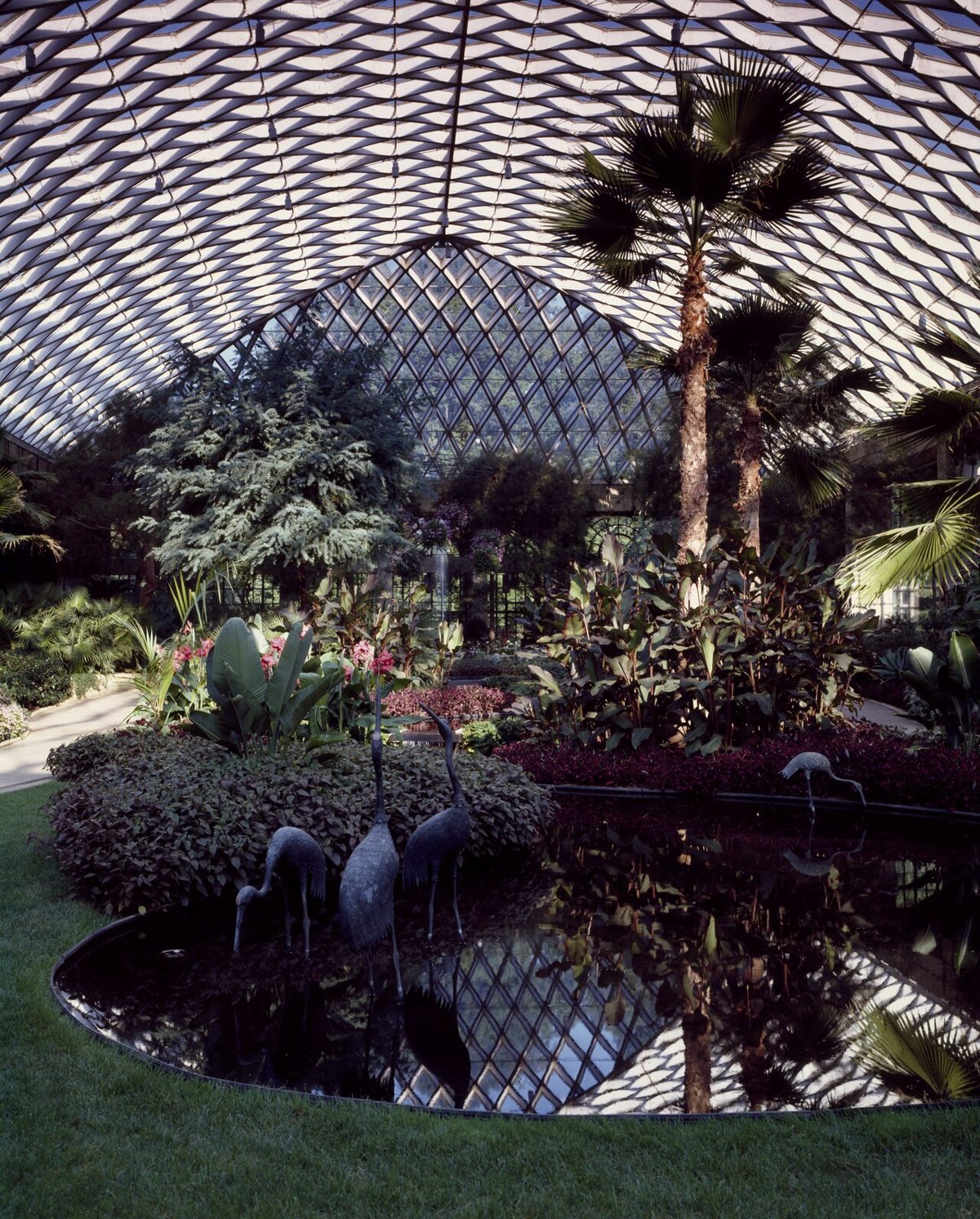
Longwood Gardens isn't technically in Philadelphia, it sits about thirty miles southwest in Kennett Square, Chester County, but no honest guide to the region's spring leaves it off the list. Founded on the former du Pont estate, it's one of the great public gardens in the country, with conservatories, fountains, and outdoor beds that get an aggressive seasonal refresh every spring. It's a full day trip rather than an afternoon stop, best reached by car, and worth planning around rather than squeezing in. If the city parks are the everyday version of Philadelphia's love of green space, Longwood is the version with an unlimited budget.
Markets and Food Worth the Walk
Spring is when outdoor eating comes back, sidewalk tables reappear, and the city's markets shift from survival mode into something closer to a festival every weekend. Philadelphia's food identity was built on markets long before food halls were a national trend, and these are the two that matter most.
Reading Terminal Market
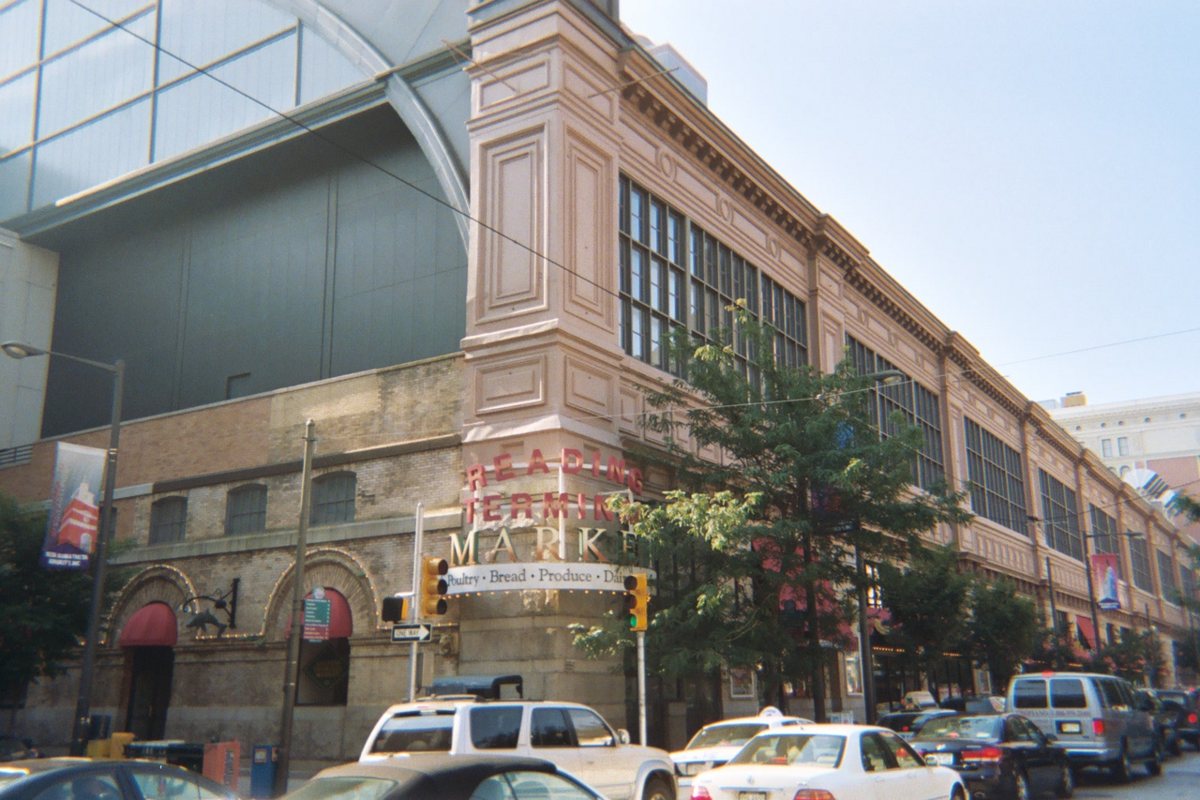
Reading Terminal Market has operated continuously since 1893 inside the old train shed at 12th and Arch, and it remains the single best argument for why this city doesn't need to apologize to anyone about its food scene. Amish farm stands sell produce and baked goods alongside Termini Bros pastries, DiNic's roast pork sandwiches, and dozens of other vendors that range from institutions to newer arrivals. Warmer weeks bring the Amish vendors back in fuller force after their reduced winter schedule, and it's simply a better market to walk through when you're not fighting a coat and gloves the whole time. Go hungry, go on a weekday morning if you want to avoid the worst of the crowds, and don't leave without something from Termini's.

The Italian Market on 9th Street
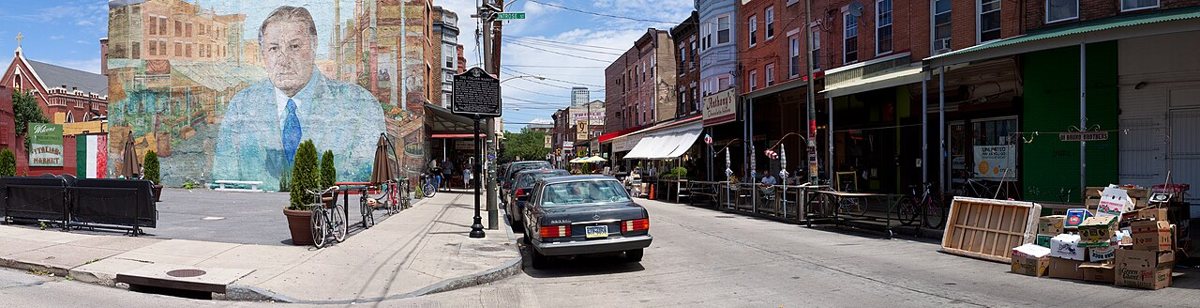
The Italian Market along 9th Street in South Philadelphia is the oldest continuously operating outdoor market in the country, a strip of cheese shops, butchers, produce stands, and old-school Italian groceries that has absorbed waves of new immigrant-owned businesses without losing its core character. Spring is when the outdoor stalls really open up, awnings go up, and the sidewalks fill with people doing actual grocery shopping alongside tourists chasing a cheesesteak from Pat's or Geno's a few blocks south. Di Bruno Bros still runs its original storefront here, and it's worth remembering that this market predates the food-hall version of itself by well over a century. Walk it slow, buy something you didn't plan to, and skip the argument about which cheesesteak stand is better, because no local actually settles that one with a stranger.

South Street
South Street runs from the river toward Broad, and it has always been Philadelphia's slightly scruffy, unbothered answer to more polished shopping districts elsewhere in the city. Independent shops, tattoo parlors, record stores, and the mosaic-covered walls of Philadelphia's Magic Gardens sit alongside newer boutiques and bars, and spring evenings bring the street back to life after a winter of half-empty sidewalks. It's not trying to be Rittenhouse and it never will be, which is exactly why it's held onto a different kind of loyal crowd for decades. Come for a walk after dinner somewhere in Queen Village or Bella Vista and let the street do what it does.
Culture and Waterfront: Spring Things to Do in Philadelphia After Dark
Once the sun starts setting later, Philadelphia's cultural calendar and its waterfront both open back up, and this is where spring starts to feel less like a season and more like a citywide mood shift.
The Philadelphia Museum of Art and the Rocky Steps
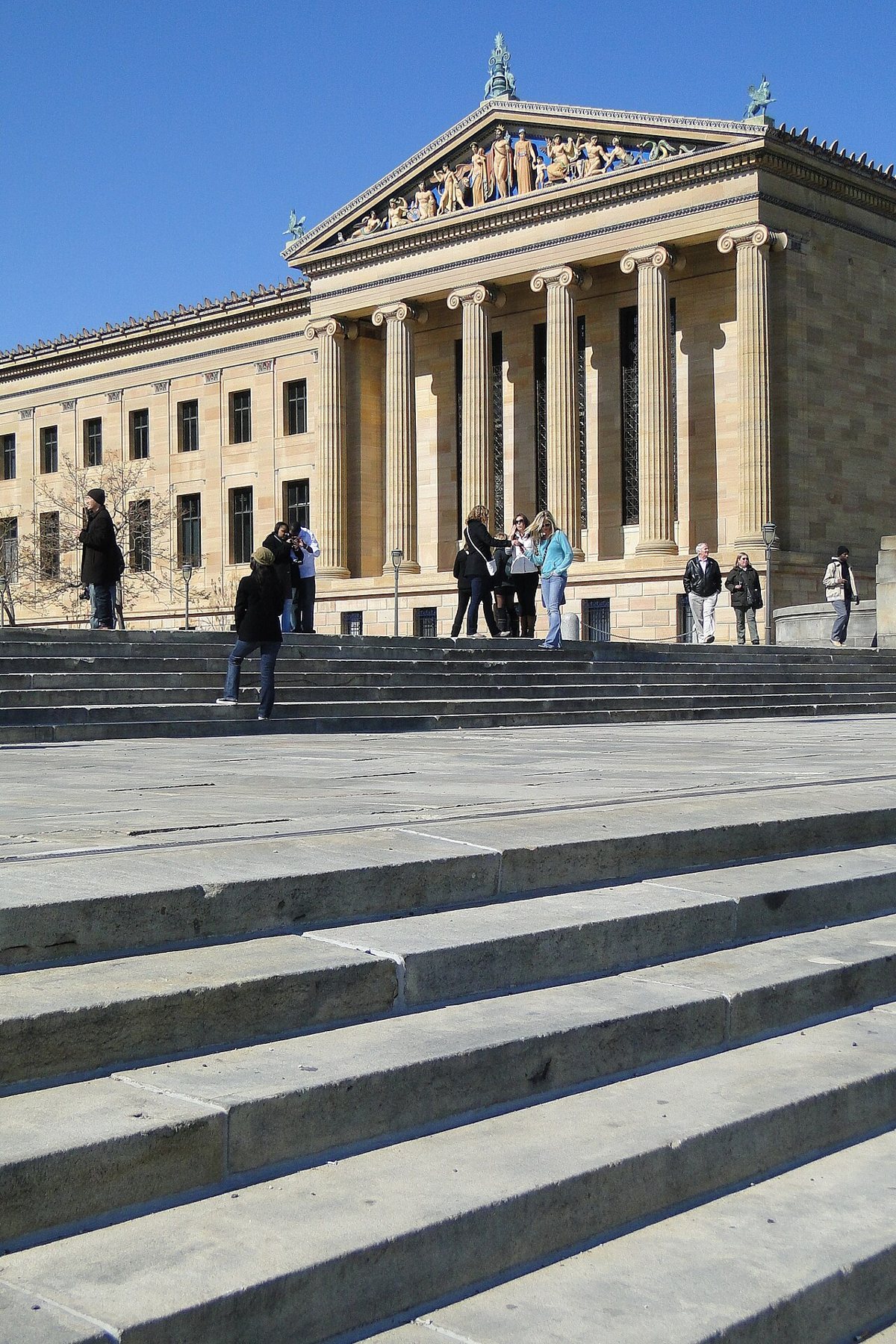
The museum itself, at the top of the Benjamin Franklin Parkway, holds one of the country's major encyclopedic art collections, and its steps have become an attraction of their own thanks to a certain boxing movie. This is genuinely the best time of year to run them or just climb them for the view back down the Parkway, before summer humidity makes the whole thing miserable and before the crowds thicken. The fountains along the Parkway start running again around this time of year too, and the stretch between the museum and City Hall becomes a legitimate destination for an evening walk rather than just a drive-through. Inside, the collection is worth the actual visit, not just the photo at the base of the steps.

Spruce Street Harbor Park
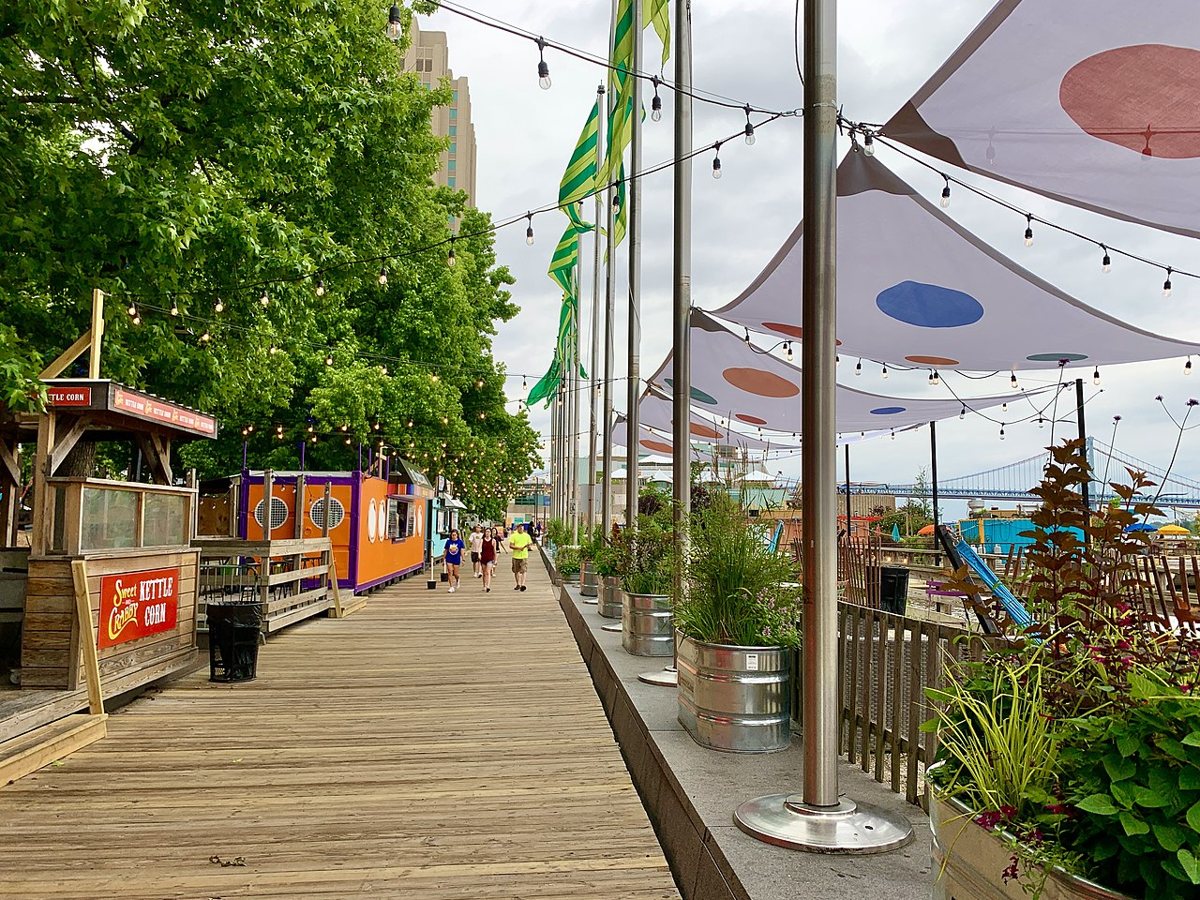
Spruce Street Harbor Park, on the Delaware River waterfront, is a seasonal park that typically opens as the weather turns warmer in late spring and runs through the summer, so it's more of a season-ending destination than an early-spring one, but it belongs on any list of what's coming. Floating gardens, hammocks strung between trees, a small boardwalk, and rotating food vendors make it one of the more relaxed hangouts the city has, a deliberate contrast to how industrial this stretch of waterfront used to be. Check the current-year opening dates before planning around it, since they shift, but treat late spring as the moment to start watching for it.

Race Street Pier
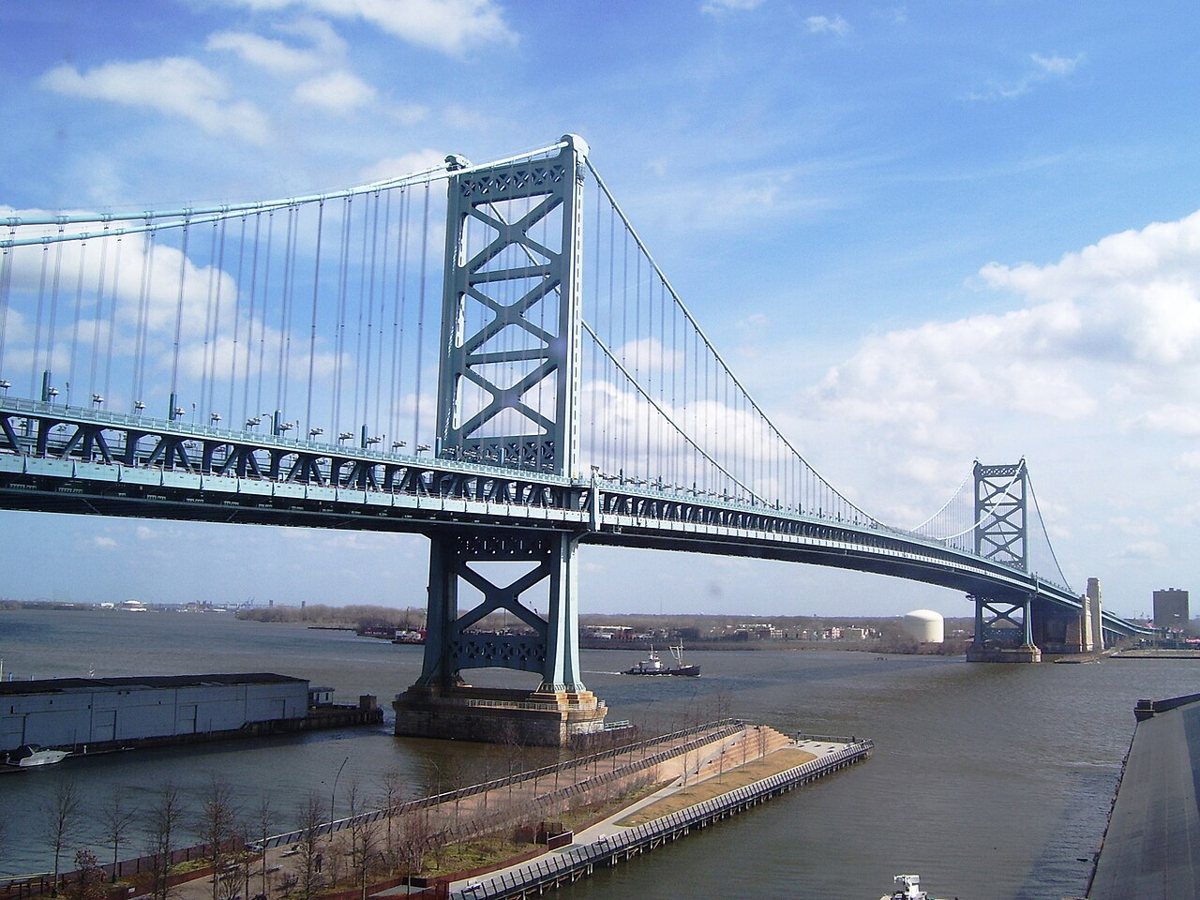
Race Street Pier sits just south of the Benjamin Franklin Bridge on the Delaware waterfront, a small park built on a former shipping pier and designed by the same landscape architecture firm behind New York's High Line. It's compact, just a couple of tiered lawns and a walkway, but the sightline it gives you toward the bridge and the skyline is one of the better free views in the city, especially as the sun goes down on a warmer evening. It works well paired with a walk further along the waterfront toward Penn's Landing, especially now that the highway cap project has made that connection easier on foot.

Mural Arts Program
Philadelphia has more outdoor murals than any other American city, largely thanks to the decades-long work of the Mural Arts Program, and spring is the season to actually go looking for them on foot instead of catching one out of a car window. The organization runs guided walking tours through different neighborhoods that pair the murals with the community history behind them, which turns a simple photo stop into something closer to an actual education. Between the Parkway corridor, South Street, and pockets of West and North Philadelphia, there are enough murals to build an entire afternoon around without repeating a block.
Neighborhoods Worth Walking This Spring
Philadelphia is a city of neighborhoods before it is anything else, and the fastest way to understand that is to walk a few of them back to back once the weather cooperates.
Fishtown
Fishtown, north of Northern Liberties along the river, has spent the last two decades turning from a working-class rowhouse neighborhood into one of the city's more talked-about food and music destinations, without fully losing its older character. Frankford Avenue is the main strip, and on a warm spring evening it's packed with people bouncing between bars, coffee shops, and restaurants that range from casual to genuinely ambitious. our guide to where to eat in Fishtown is worth a look before you go, because the neighborhood turns over new spots faster than almost anywhere else in the city.
South Philly
South Philly is less a neighborhood than a whole world of them, rowhouse blocks stacked with Italian, Vietnamese, Mexican, and Cambodian communities that have layered on top of each other for generations. Warm weather brings stoop culture back in full, folded lawn chairs come out onto sidewalks, and the corner delis and bakeries pick back up their outdoor foot traffic. Walking it means picking a direction and letting the blocks surprise you, whether that's the Italian Market corridor or the quieter streets further south toward the stadiums.
West Philly
West Philly, on the other side of the Schuylkill from Center City, mixes University City's academic energy with the tighter-knit residential blocks further out toward Cobbs Creek. Clark Park anchors a lot of neighborhood life here, and its long-running Saturday farmers market gets busier as the weather improves, drawing a crowd that's equal parts students, longtime residents, and families. It's a less touristed stretch of the city than most of this guide, and that's exactly the appeal for anyone who's already done the greatest-hits list downtown.
Northern Liberties
Northern Liberties, wedged between Fishtown and Center City, went through its own redevelopment wave earlier than Fishtown did and has settled into a slightly more polished version of that same energy, breweries, converted warehouses, and a mix of newer residential development alongside older rowhouses. The Piazza and the surrounding blocks fill up on spring weekends with a crowd that skews a little younger and louder than some of the more established neighborhoods nearby.
Manayunk
Manayunk sits along the Schuylkill in the city's northwest, a former mill town whose Main Street climbs a hill lined with restaurants, bars, and boutiques. It has long been a cycling destination too, thanks to its role in the old bike race that used to climb the notoriously steep Manayunk Wall, and on spring weekends the towpath along the canal fills with runners and cyclists working off winter. It pairs naturally with a stretch of the Schuylkill River Trail if you're coming from Center City on foot or by bike.
Chestnut Hill
Chestnut Hill, at the far northwest edge of the city, feels almost like a separate small town, with a walkable Germantown Avenue lined with independent shops and restaurants and a canopy of trees that makes it one of the greenest residential stretches in Philadelphia proper. Its proximity to Morris Arboretum and the northern reaches of the Wissahickon makes it a natural pairing for anyone building a full day out of the parks further south on this list.
Germantown
Germantown, one of the oldest sections of the city, carries a weight of Revolutionary-era history that most visitors underestimate, with historic houses and sites tucked among its residential blocks. It doesn't get the same foot traffic as some of the trendier neighborhoods on this list, which makes spring, when the trees along its older streets fill back in, a genuinely good time to walk it without a crowd and without an agenda beyond looking around.
Practical Notes for Spring in Philadelphia
A few things worth knowing before you build a spring itinerary around any of the above.
- Weather swings hard in March and April, so layers matter more than any single jacket. A 70-degree afternoon can follow a 40-degree morning without warning.
- Cherry blossom peak at Shofuso and around the city shifts year to year depending on temperature, so build a few days of flexibility into any trip planned around them rather than locking in one date.
- SEPTA, and specifically the Market-Frankford Line, known to everyone here simply as the el, connects a lot of this list, including Fishtown, Old City, and Center City, without needing a car.
- Parking near Boathouse Row, the Wissahickon trailheads, and the Italian Market gets tight on the first warm weekends of the year, so arriving early or using transit saves real time.
- Seasonal spots like Spruce Street Harbor Park open later in the spring than the rest of this list, so check current opening dates rather than assuming they're running in March or early April.
- Pollen counts climb fast once the trees start budding, which matters if you're planning a long day in the Wissahickon or at one of the arboretums.
None of this requires the Liberty Bell or a costume on the art museum steps. Philadelphia's real spring lives in the ordinary rituals residents rebuild every year, the first run along the river, the first crowded Saturday at the Italian Market, the first outdoor table at a Fishtown bar that was empty in February. People who live here don't need convincing that this is a great season, they need the winter to end so they can get back to doing what they already know works. Come spring, this is also the stretch when the Phillies' season gets going in earnest and Eagles talk radio somehow never actually stops, because in this city devotion to a team doesn't take an offseason. Show up with comfortable shoes, expect at least one day where the weather doesn't cooperate, and don't rush it. The city rewards people who walk slow and eat often, not people chasing a checklist.