Best Italian Restaurants in Fishtown, Tried and Tested
Fishtown has the creative energy, the BYOB culture, and the proximity to the city's old Italian-American spine: here's how to actually find a great plate of pasta where good and hyped don't always mean the same thing.
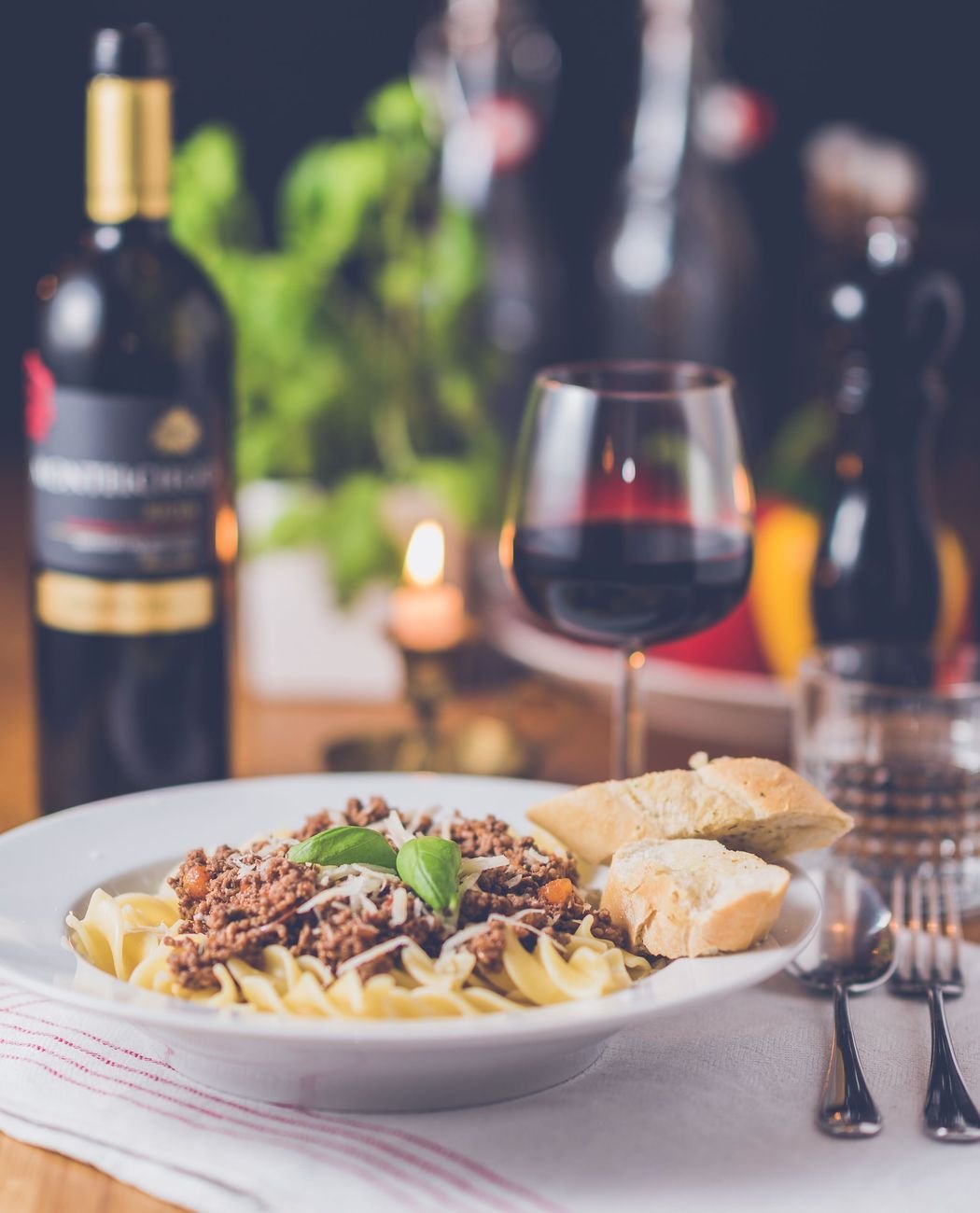
Walk down Girard Avenue on a Thursday evening and you'll notice something: the line outside a pasta spot is longer than the one for the new cocktail bar next door. None of that is an accident. Fishtown, the neighborhood that spent a decade becoming Philadelphia's creative-class headquarters, has quietly developed a serious Italian dining scene, one that owes as much to the city's old South Philly and Northeast traditions as it does to the gallery-and-brewery energy that defines the place now.
Anyone looking for the best italian restaurants in fishtown should know up front that the neighborhood rewards people who know what to look for. Not every place that sells pasta earns the plate.
What Makes the Best Italian Restaurants in Fishtown Different
The neighborhood sits right off the old Italian-American spine that runs through Kensington and connects, historically, to the rowhouse communities where Sunday gravy was a non-negotiable weekly event. Proximity matters. The best spots here are in conversation with that tradition, even when they're also doing something new with it.
The neighborhood's BYOB culture, which is a genuine Philadelphia institution and not some trendy workaround, shapes how Italian dining works in Fishtown particularly well. Italian food and wine are made for each other, and a well-chosen BYOB bottle, something from Campania, maybe, or a lighter northern Barbera, can turn a straightforward bowl of cacio e pepe into something that justifies the entire evening. Most BYOBs charge no corkage, so bring two bottles. You'll want them.
Full-bar Italian spots in the neighborhood have to compete harder for attention because the BYOB option is so embedded in how Philly diners think. None of that knocks the full-bar places; it just means the food has to do more work when the wine list is already generating revenue. Worth keeping in mind when you're deciding where to spend your Friday.
How to Read the Room Before You Sit Down
The single most reliable tell for quality Italian in any neighborhood is whether the pasta is made in-house. Ask. Menus will sometimes say "housemade" and sometimes won't say anything at all, which means you ask your server directly. Fresh pasta has a different texture from dried, slightly softer, more porous, better at holding sauce, but neither is automatically superior. A good dried pasta cooked correctly beats bad fresh pasta every time. What you're really assessing is whether the kitchen is paying attention.
Watch the bread situation, too. A restaurant that brings out something interesting, a focaccia with good olive oil or a seeded loaf that suggests someone thought about it, is usually a restaurant where the kitchen cares about the full experience. It's not a rule. But it's a pattern.
In Fishtown specifically, pay attention to the room's noise level and table spacing. The neighborhood tends toward the tight and convivial, which is fine, but it also means some spots are optimized for atmosphere over food. When a place's social media is mostly photos of the light fixtures, adjust expectations accordingly.
What to Order, and What to Skip
Start with something that shows restraint. A bruschetta with good tomatoes, a simple white bean preparation, anything that relies on ingredient quality rather than technique to succeed. If the kitchen handles simple things well, the pasta will be worth ordering.
For pasta, order one meat preparation and one that's built around vegetables or cheese. The split tells you more about the kitchen's range than ordering two red-sauce dishes. Fishtown Italian menus tend to lean contemporary, with more aglio e olio and carbonara than the heavier Sunday-style preparations, which reflects the neighborhood's younger demographic and its openness to regional Italian cooking beyond the Neapolitan standard.
The roast pork Italian sandwich, which many Philadelphians will tell you without blinking is a better jawn than the cheesesteak, has no real presence on Fishtown restaurant menus. This is a sit-down-dinner neighborhood, not a counter-service one. For the city's best roast pork, you're heading to Reading Terminal Market or into South Philly. No criticism there; it's just the geography of how this city eats. the city's broader Italian dining scene is a bigger conversation, and Fishtown is one strong chapter in it.
The BYOB Question, Settled
Philadelphia's BYOB tradition is strongest in neighborhoods where restaurant rents are high enough to make liquor licenses financially brutal. Fishtown qualifies. A BYOB Italian dinner is, in practical terms, a better value proposition than almost any full-bar equivalent at the same price point, assuming you show up with a decent bottle.
The protocol is simple: call ahead and confirm BYOB status (it can change when licenses are obtained or transferred), bring something you'd actually want to drink with food, and tip your server well given that they're not generating alcohol revenue for the house. A Vermentino for seafood pasta, a Montepulciano for anything with tomato and meat, a skin-contact white if you want to fit the neighborhood's aesthetic and also genuinely enjoy it. Philly's BYOB dining culture has its own logic and its own geography, and the neighborhood is one of the best places in the city to experience it at its most comfortable.
Neighborhood Context That Actually Matters
Fishtown has been "up and coming" for long enough that it's simply up. The restaurant scene reflects that maturity. There are fewer rough-around-the-edges spots where you'd trade ambiance for an incredible meal, and more places that have figured out how to do both competently. It's a reasonable trade. The catch is that the ceiling for any given Italian spot is slightly lower than it might have been five years ago, because the neighborhood now has the clientele to support polish, and polish is what gets delivered.
The best reason to eat Italian in Fishtown rather than in South Philly or the Italian Market area isn't authenticity, since South Philly wins that argument without trying. It's access. The restaurant stretches here are walkable from a wider range of the city, reachable on the el, and surrounded by enough bars and coffee shops that a dinner out can become an actual evening. Access counts for something. It just isn't worth pretending the pasta is something it isn't.
Go in knowing what you're after. A well-made plate of handmade pasta in a room that doesn't take itself too seriously, with a bottle you brought yourself and a table you actually got a reservation for, is a very good night in this city. The neighborhood can give you that, reliably, if you pick with some care.