Best Italian in Old City, Tried and Tested
Old City's cobblestones and colonial brick hide a different kind of Italian dining than Ninth Street ever promised, and most of the tourists wandering past Elfreth's Alley have no idea how to tell a serious kitchen from a candlelit trap.
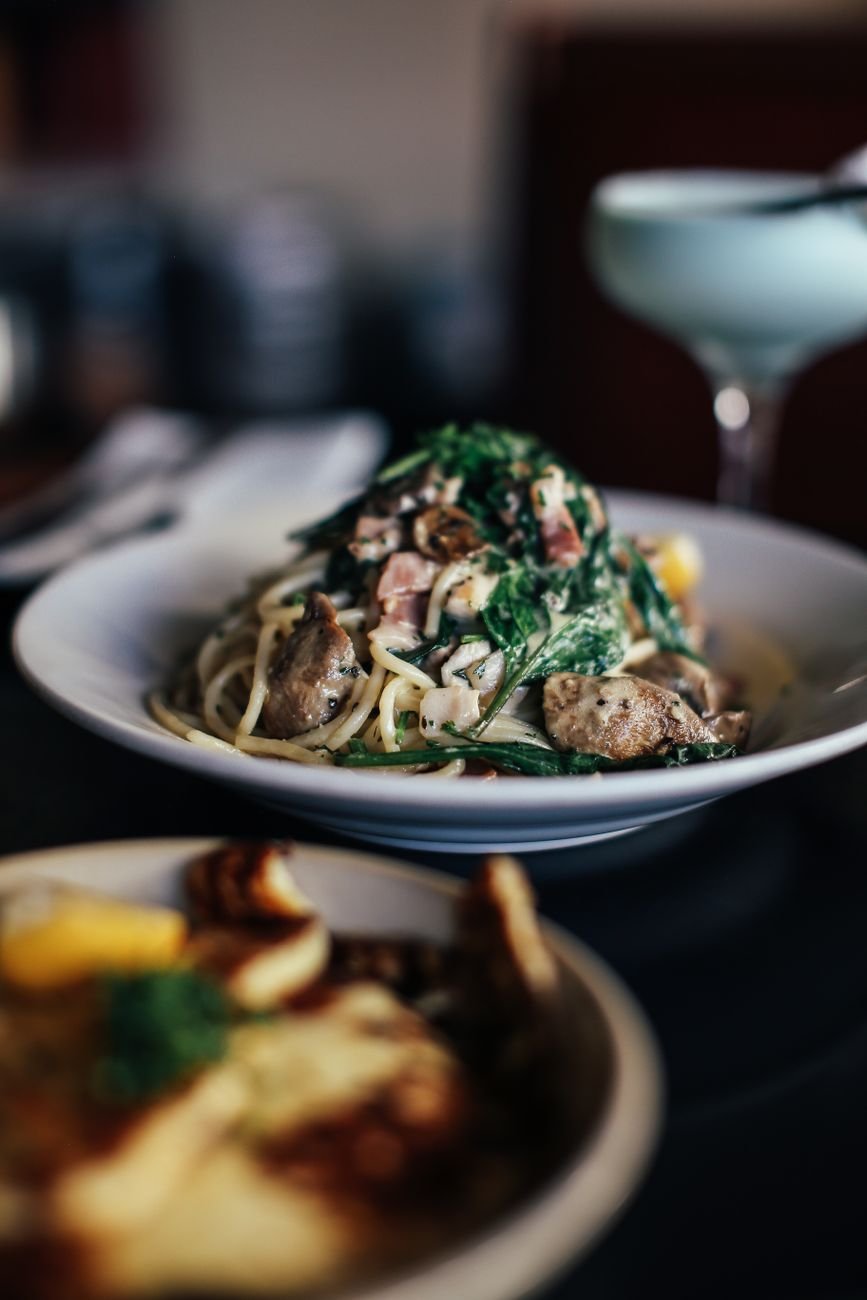
On a Tuesday night in Old City, the cobblestones outside the corner taproom go slick under a fine rain, and past Elfreth's Alley a couple ducks into a brick storefront carrying a bottle of red wine, headed to a table they booked three weeks ago. This is not South Philly. Nobody here is arguing about gravy versus sauce on the sidewalk. But walk the historic district long enough and you will hear the same question from tourists and locals alike: what's actually the best Italian in Old City, and does any of it hold up against what's happening ten minutes south on Ninth Street.
The honest answer is that Old City and South Philly are not competing for the same title. They never were.
The Old City Difference
South Philly, and the Italian Market in particular, is where the city's Italian-American food culture actually took root: rowhouse kitchens, pork stores, red-gravy Sundays passed down through three generations. Old City Italian is a newer, more deliberate proposition, built for a night out rather than a family table. The restaurants sit inside colonial-era brick storefronts a few blocks from where the Founders signed things, competing for attention with the galleries that fill up during First Friday. A good Old City Italian dinner is a date-night ritual, an anniversary stop, a client dinner. That doesn't make it lesser. It makes it a different animal, judged by different standards.
Finding the Best Italian in Old City Starts With the Kitchen, Not the Candles
Old City has no shortage of restaurants leaning on exposed brick and low lighting to do the selling for them. The candles are not the tell. The kitchen is. Before you commit to a reservation, look for a few concrete signs that the food is being taken as seriously as the room.
- Pasta made in-house, not just advertised as "house-made" on a laminated card. Ask what shapes they roll and whether the menu changes with what's available that week.
- A wine list someone clearly thought about, or a genuine BYOB policy with a corkage practice the staff can explain without hesitating.
- A kitchen that acknowledges the red-gravy tradition even if its menu leans modern. Respect for where Italian-American cooking comes from usually shows up somewhere on the plate.
- Bread and oil that taste like someone chose them on purpose, not whatever showed up from a broadline distributor.
- Vegetables that shift with the season instead of the same three sides running year-round.
None of this requires a chalkboard menu or a chef's tasting sequence. It just requires attention, and you can usually tell within the first ten minutes of a meal whether that attention exists.
Red Gravy Tradition Versus Modern Regional Italian
Two honest paths exist for Italian cooking in this city, and Old City kitchens tend to pick a lane. One path runs straight back through South Philly: Sunday gravy, baked dishes under melted cheese, portions built for a family, a style shaped by Italian immigrants working with what was affordable and available a hundred years ago. The other path looks toward specific Italian regions: Emilia-Romagna's egg pasta, Puglia's orecchiette and bitter greens, a Ligurian pesto made properly with a mortar and pestle instead of a food processor running too hot. Neither approach is more legitimate than the other. What matters is whether the kitchen commits to its lane instead of splitting the difference into something bland enough to offend no one.
What to Order
A few dishes tend to separate a serious Old City Italian kitchen from one riding on ambiance alone.
- A hand-cut pasta with a sauce that clings rather than pools, which tells you the pasta water and the reduction were both handled with care.
- A whole roasted or grilled fish, since a kitchen willing to break down a whole fish tableside is usually not cutting corners elsewhere.
- A classic braise or a veal dish, cooked low and slow rather than pounded thin and flash-fried to save time.
- A bitter greens dish, whether broccoli rabe or dandelion, because bitterness is one of the easiest flavors for a mediocre kitchen to avoid entirely.
BYOB Etiquette, Old City Style
Philadelphia's BYOB culture runs deep, and it shapes Old City Italian dining more than most visitors realize. Bringing your own bottle here is not a workaround for a liquor license. It's a genuine part of how the city eats, and it lets a smaller restaurant put its money into the food instead of a wine program it can't staff properly. Call ahead if you're unsure whether a spot allows it, bring something you'd actually want to drink with red-sauce or regional cooking, and tip as though the wine markup were still on the check, because the staff earns that money regardless of who poured the bottle.
Old City Versus the Italian Market
If you want to understand where Philadelphia's Italian food identity actually comes from, you still need a trip to the Italian Market in South Philly, where the pork stores, cheese counters, and generations-old red-gravy joints built the template everyone else in this city works from. Old City borrows that vocabulary and translates it for a different occasion: a quieter room, a slower pace, a menu built around a dinner date instead of a family gathering. Neither neighborhood is trying to be the other, and the comparison only breaks down when someone walks into Old City expecting a South Philly red-gravy institution and leaves disappointed that they got something else entirely.
The real takeaway is simple. Judge Old City Italian on its own terms: a kitchen that respects where the tradition started, cooks with real seasonal intent, and treats a BYOB bottle with the same care as an expensive wine list. Skip the room that's selling you brick walls and candlelight instead of a plate worth remembering, and you'll walk out of the historic district having actually eaten well, not just photographed well.