Best Mexican Restaurants in Philadelphia: A Local's Guide
On 9th Street, the Italian Market didn't get replaced by Puebla-rooted taquerias and panaderias. It got extended. Here's how to actually eat well there.
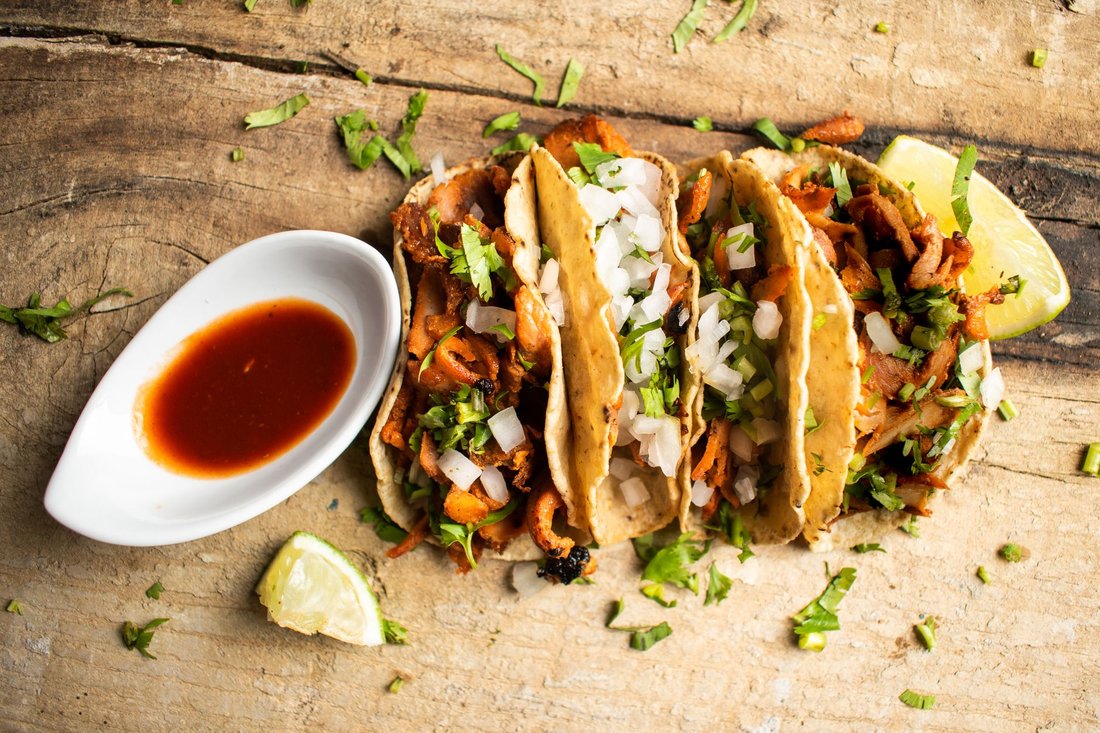
Walk down 9th Street on a Saturday morning and you'll pass a hundred-year-old Italian cheese counter, a taco stand with a hand-lettered sign, and a produce stall selling dried chiles next to a bin of broccoli rabe. Nobody blinks. This is where you actually find the best Mexican restaurants in Philadelphia, not on some ranked list of trendy openings but in a corridor that's been quietly, permanently changed by the Puebla families who moved into South Philly starting in the 1990s and never left. The Italian Market didn't get replaced. It got extended.
That history matters if you're trying to eat well here. Philadelphia's Mexican food scene isn't a recent trend chasing Instagram light. It grew out of real migration, mostly from Puebla state, into rowhouses around 9th Street and out toward Washington Avenue. The cooking reflects that: Pueblan specialties like cemitas and mole show up alongside the tacos and burritos that get more attention nationally. A neighborhood builds its food the way it builds everything else, slowly and out of necessity, and South Philly's Mexican corridor has had three decades to get it right.
What makes the best Mexican restaurants in Philadelphia worth the trip
Skip the places built for tourists and look for the ones built for the neighborhood. A good sign is a menu with items you don't recognize sitting next to the usual suspects. Another is hearing more Spanish than English at the next table. None of this guarantees a great meal, but it tells you the kitchen is cooking for people who'll notice if something's off, not for a crowd that won't know the difference.
Handmade tortillas are the clearest tell. Corn tortillas made in-house, pressed and griddled to order, taste like a completely different food than the stack of pliable, slightly sour ones that come from a plastic bag. If a menu specifically mentions tortillas hechas a mano, that's not marketing copy. That's a kitchen telling you where its priorities are.
What to order
- Tacos al pastor: thin-shaved pork, marinated with dried chiles and usually a hit of pineapple, cooked on a vertical spit if the place has the setup for it. Order two and compare them to whatever you think you know about al pastor from elsewhere.
- Barbacoa: slow-cooked meat, traditionally lamb or goat, though beef versions are common here. Look for it on weekends specifically, since a lot of kitchens only make the effort then.
- Tamales: steamed corn masa wrapped in husk or banana leaf, filled with anything from pork in red chile to sweet corn with raisins. A good tamale should be light, not gummy, and the husk should peel away clean.
- Cemitas: a Pueblan sandwich on a sesame-seeded roll, built with milanesa or another meat, avocado, a smoky chile called papalo instead of cilantro, and quesillo cheese pulled thin. This is the dish that separates a place with real Pueblan roots from one just doing general Mexican fare.
Barbacoa and tamales especially reward showing up early. Kitchens that make these in limited batches sell out, and a sold-out sign at eleven in the morning is a better review than anything written online.
Where to look beyond the Italian Market
The 9th Street corridor between Washington and Snyder is the anchor, but the food doesn't stop there. The blocks around Washington Avenue itself hold a mix of taquerias, panaderias, and grocery stores that sell prepared food out of the back. Further into South Philly and up toward Kensington, near stops along the El, smaller storefronts serve the same neighborhoods without any pretense of drawing outsiders. These are worth seeking out precisely because they weren't built with visitors in mind.
None of this is a ranked list, and any local writer who hands you five specific names and calls it definitive is selling you something. What you actually want is a method: walk the corridor, watch which counters have a line at lunch, ask what's fresh that day, and order the thing you can't easily get elsewhere in the city. Philadelphia doesn't reward chasing hype. It rewards paying attention to what a neighborhood has spent years building.
A note on pricing and expectations
Most of the standout spots along 9th Street and Washington Avenue are counter-service or small sit-down operations, priced for the neighborhood rather than for a night out. Don't expect white tablecloths. Expect handmade food, cash that goes further than it would elsewhere in the city, and menus that sometimes only make sense if you ask. If you're new to the area, our guide to eating your way down the Italian Market covers how the corridor is laid out block by block, and our primer on South Philly's neighborhoods is useful if you want context on how Washington Avenue fits into the bigger picture.
The takeaway is simple enough. The best Mexican food in this city isn't hiding. It's sitting in plain sight on a street Philadelphians have walked past for a century, run by families who rebuilt part of it in their own image and kept cooking the way they always have. Go hungry, go on a weekend if you can, and order the thing on the menu you don't recognize. That's usually the one worth coming back for.