Fishtown Neighborhood Guide, Block by Block
Frankford and Girard still anchor the neighborhood, but the blocks on either side of that intersection are having two different conversations about what Fishtown is supposed to be.
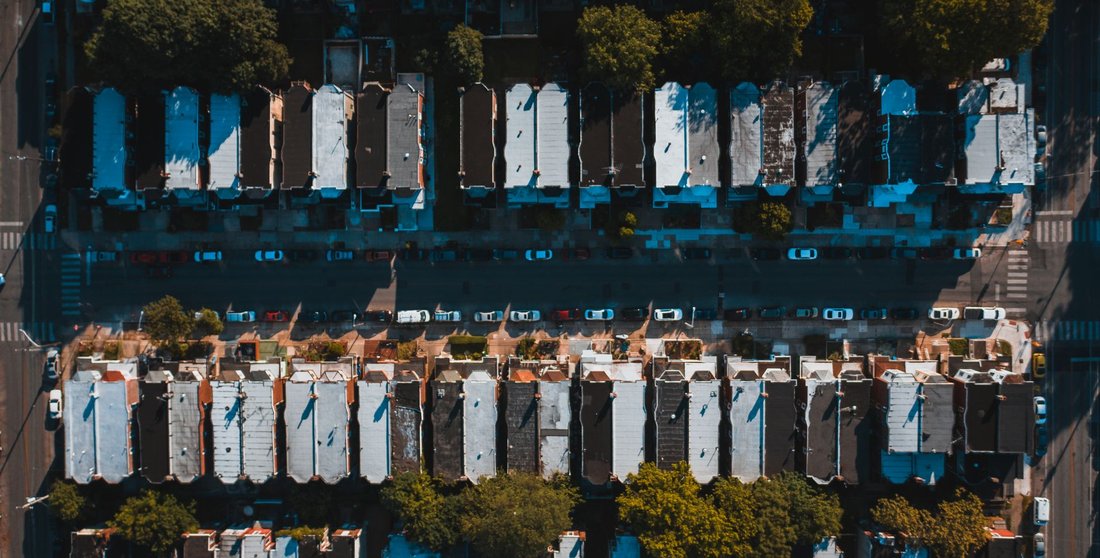
Stand under the El at Front and Girard around six on a Friday and you'll watch two versions of Fishtown pass each other without making eye contact. One is headed to a brewery patio that didn't exist fifteen years ago, phone out, waiting on a table. The other just got off a shift and is walking home to a rowhouse that's been in the family since before the Frankford stop got its current paint job. Neither one is wrong about what this place is. A useful Fishtown neighborhood guide has to hold both of those Fridays at once, because pretending the neighborhood is only one of them is how you end up writing a real estate brochure instead of something true.
Fishtown was a working riverside neighborhood before it was a brand. Rowhouses went up for people who worked the docks and the mills along the Delaware, and the street grid still reflects that: tight blocks, narrow lots, corner bars where corner bars have always been. What changed isn't the layout. It's who's filling it and what they're willing to pay for a two-bedroom that used to house six people.
A Fishtown Neighborhood Guide Starts at Frankford and Girard
Everything in Fishtown gets measured against this intersection, whether people admit it or not. Frankford Avenue is the spine, running roughly northeast to southwest through the neighborhood's commercial heart, and Girard crosses it heading toward the river on one side and Northern Liberties on the other. This is where the newer Fishtown concentrates: the coffee shops with the exposed brick, the boutiques that rotate every year or two, the restaurants that require you to bring your own bottle because the neighborhood's BYOB culture never went anywhere even as the menus got more ambitious.
Walk a few blocks off that corner in either direction and the character shifts fast. North of Girard, Frankford Avenue gets a little rougher around the edges and a little more residential, with music venues and bars that have outlasted a couple of waves of hype. South, toward Northern Liberties, the storefronts get glossier and the crowd skews younger, closer to the divide most people just call NoLibs.
What to actually look for on the commercial strip
- Breweries and taprooms clustered within a few blocks of each other, part of a stretch of Philadelphia's beer scene that draws people from well outside the neighborhood
- BYOB restaurants that don't advertise much because they don't need to
- Water ice stands in summer, and yes, it's water ice here, not the other thing
- Corner bars that have hosted the same regulars for decades sitting next to spots that opened last spring
The El, Front Street, and the Bones of the Place
The Market-Frankford Line runs on steel track above Front Street, and that structure does more to define Fishtown's mood than almost anything else in the neighborhood. It's loud. It throws shadow patterns across the pavement all day. It's also the fastest way in or out, which is exactly why so much has been built and rebuilt around its stops. Front Street itself sits at the edge between the rowhouse blocks and the industrial land closer to the water, and you can feel that transition just by walking it: the housing thins out, warehouses show up, and the light changes because there's nothing left blocking the sky.
The rowhouse blocks west of Front are where Fishtown's residential identity actually lives. Two- and three-story brick houses, marble steps on the older ones, the occasional gap where a lot got redeveloped into something taller and glassier than its neighbors. Some blocks have barely changed in fifty years. Others have turned over almost completely. Both exist within a five-minute walk of each other, which is the whole story of this neighborhood in miniature.
The Riverfront Nobody Finishes Walking
Fishtown's edge along the Delaware is still catching up to the rest of the neighborhood's reinvention. There's real value in that stretch of riverfront, and it's slowly getting activated with paths and green space, but it hasn't been fully smoothed over into a postcard yet. That's part of what makes it worth visiting. You get a sense of what the neighborhood was actually built around: not craft beer, not vintage furniture, but a working river that moved goods and put people to work. The name Fishtown didn't come from a marketing meeting.
Where Fishtown Ends and the Arguments Begin
Ask five Fishtown residents where the neighborhood stops and starts and you'll get five different answers, usually delivered with some heat. The border with Northern Liberties, south around Girard, has blurred as development has crept in both directions, and longtime residents will tell you the line used to be a lot clearer before neighboring Northern Liberties started creeping north. The border with Kensington, to the north and west, is a rawer conversation, tangled up with real disparities in investment and struggle that don't get resolved by a change in zip code. Neither border is just a line on a map. Both get argued about at the bar.
Food, Drink, and the Roast Pork Question
Ask someone from Fishtown about the neighborhood's best sandwich and don't expect them to say cheesesteak. The roast pork Italian, with its sharp provolone and bitter greens, gets ranked above it by plenty of longtime Philadelphians, and Fishtown's food culture leans into that kind of stubborn local hierarchy rather than chasing whatever's trending outside the city. That same instinct shows up in the local brewery scene, which grew here organically rather than being planted for tourists, and in a BYOB restaurant culture that rewards a short walk and an open mind over a reservation six weeks out.
The Takeaway
Fishtown isn't finished changing, and anyone who tells you it's settled into its final form hasn't walked Frankford Avenue on a weekday morning versus a Saturday night. The honest way to visit is to hold both timelines in your head at once: the neighborhood that built rowhouses for dockworkers, and the one now filling those same houses with people who've never smelled the river when the wind shifts the wrong way. Go for the breweries if that's what brought you. Stay long enough to notice the corner bar that was there before any of it, and ask somebody at the bar what they think has been won and what's been lost. They'll have an answer ready.